Optimal Soil for Growing Common snowberry: What You Need to Know
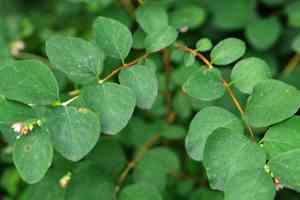
1
Common snowberry thrives in soil with a pH ranging from somewhat acidic to neutral, ideally 6.5 to 8.
2
Adequate drainage is crucial for Common snowberry to avoid root decay and other problems caused by excessive water.
3
Applying organic mulch aids in regulating soil temperature and moisture, which supports Common snowberry development.
Optimal Ground Medium for Common snowberry
Ground Composition
The Common snowberry flourishes in a soil type that is well-proportioned in terms of nutrients and organic material. Ideally, the ground should contain a blend of sand, silt, and clay to ensure it can hold moisture while allowing necessary drainage. Rich, loamy earth is best as it provides a good balance of water retention and drainage, both vital for the healthy development of Common snowberry. Integrating organic substances like compost or well-decomposed manure can significantly improve the soil's fertility and consistency.
Ground Texture
Soil texture plays a crucial role in the growth of Common snowberry. A loamy texture, characterized by an even mix of sand, silt, and clay, offers the perfect environment. Loamy soil is especially advantageous because it maintains the correct amount of moisture and air pockets, facilitating root growth and nutrient absorption. While Common snowberry can adapt to various soil types, it struggles in dense clay soils that hold too much water or sandy soils that drain too quickly. Ensuring you have balanced loamy soil can set the stage for robust Common snowberry development.
Soil pH Preferences for Common snowberry
Ideal pH Range
Common snowberry prefers a soil pH that spans from 6.5 to 8. This slightly acidic to neutral pH range ensures the plant can efficiently absorb vital nutrients from the soil. Maintaining soil pH within this range helps prevent nutrient deficiencies and promotes overall plant vitality. Regularly testing the soil pH can help you monitor and sustain the optimal conditions for your Common snowberry.
Adjusting Soil pH
If your soil pH falls outside the preferred range for Common snowberry, you might need to modify it. To elevate the pH of acidic soil, you can incorporate lime (calcium carbonate). Conversely, to decrease the pH of alkaline soil, adding sulfur or peat moss can be effective. Always adhere to product instructions and consider re-testing your soil after several weeks to see if the adjustments have achieved the desired pH level.
Drainage Requirements for Common snowberry Soil
Ensuring Adequate Drainage
Proper drainage is essential for the healthy development of Common snowberry. Waterlogged soil can lead to root rot and other fungal problems that could severely hinder the plant's growth. To ensure good drainage, consider planting your Common snowberry in an elevated bed or adding organic matter like compost to enhance soil structure and drainage. Utilizing a soil mix that contains perlite or sand can also help boost drainage capacity.
Signs of Insufficient Drainage
Indicators of poor drainage include persistent standing water, soil that remains excessively moist for extended periods, and yellowing foliage on your Common snowberry. These symptoms suggest that water isn't moving efficiently through the soil, which can suffocate roots and lead to disease. If you observe these signs, it's crucial to amend the soil with materials that improve drainage and re-evaluate your irrigation practices.
Soil Nutrients Required for Common snowberry
Essential Nutrients
Common snowberry needs a variety of crucial nutrients to flourish. Key nutrients include nitrogen (N), phosphorus (P), and potassium (K), which are often found in balanced fertilizers. Nitrogen encourages leafy growth, phosphorus supports root and flower development, and potassium enhances overall plant health and disease resistance. In addition to these macronutrients, trace elements like magnesium, iron, and zinc are also significant.
Fertilization Advice
To keep your Common snowberry well-nourished, consider using a balanced, slow-release fertilizer in spring. A fertilizer with an N-P-K ratio of 10-10-10 can be effective. Apply it according to the package directions to avoid over-fertilization, which can lead to leaf burn and other issues. Additionally, incorporating organic matter such as compost can provide a steady supply of nutrients throughout the growing season.
Mulching and Ground Temperature
Advantages of Mulching
Mulching offers numerous benefits for Common snowberry. A layer of organic mulch, such as wood chips or straw, helps to retain moisture, suppress weeds, and gradually add organic matter to the soil as it breaks down. Mulch also shields the roots from extreme temperature fluctuations, creating a more stable growing environment. Apply a 5 to 7.5 cm (2 to 3 inches) thick layer of mulch around the base of the plant, ensuring it is kept a few centimeters away from the stem to prevent rot.
Maintaining Ground Temperature
Maintaining a consistent soil temperature is vital for the health of your Common snowberry. Soil that is too cold can slow root growth, while soil that is too hot can stress the plant. Mulching helps to moderate soil temperature by insulating the root zone. In colder climates, mulch can protect roots from freezing temperatures, while in hotter climates, it can keep the soil cooler and reduce water evaporation. Regular monitoring and adjusting mulch levels can help you maintain the optimal soil temperature for your Common snowberry.



