Optimal Soil for Growing Goldenrod: What You Need to Know
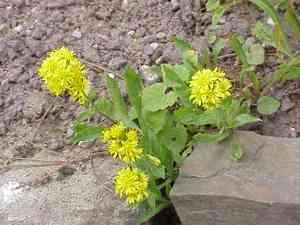
1
Goldenrod flourishes in ground with a pH range of 6.5 to 8.
2
Rich, well-draining soil is typically ideal for cultivating Goldenrod.
3
Periodically checking and adjusting your soil can greatly enhance Goldenrod vitality and development.
Optimal Soil Conditions for Goldenrod Cultivation
Preferred pH Levels
For Goldenrod to flourish, maintaining the correct soil pH is essential. The ideal pH range for Goldenrod is between 6.5 and 8. Soil pH influences nutrient availability, impacting the plant's overall vitality. Regular testing helps monitor and adjust pH levels, easily done with a soil pH kit.
Soil Texture Preferences
Soil texture significantly affects Goldenrod's health. These plants thrive in loamy soils, which offer a balanced mix of sand, silt, and clay. Loamy soils retain moisture effectively while draining well, preventing waterlogging. If your soil isn't naturally loamy, consider amending it to enhance its structure.
Importance of Soil Drainage
Adequate drainage is critical for Goldenrod, preventing root rot and other water-related issues. Well-draining soil ensures water doesn't accumulate around the roots, which can lead to fungal infections and poor plant health. If your garden soil retains water too long, improve drainage by adding organic matter like compost or planting on a slight incline.
Best Soil Type for Goldenrod Planting
Loamy Soil
Loamy soil is often considered optimal for Goldenrod cultivation, providing excellent drainage while retaining sufficient moisture and nutrients. This soil type is a balanced blend of sand, silt, and clay, making it ideal for robust plant growth.
Clay Soil Considerations
Clay soil can be challenging due to its dense nature, often leading to poor drainage. However, Goldenrod can still thrive in clay soil with proper amendments. Adding organic matter like compost or peat moss can improve aeration and drainage, making clay soil more suitable for Goldenrod.
Sand Soil Adjustments
Sandy soil drains quickly and retains nutrients poorly, which is less than ideal for Goldenrod. To make sandy soil more hospitable, incorporate organic matter to boost its nutrient content and water-holding capacity. This adjustment creates a more balanced environment for Goldenrod to flourish.
Preparing Soil for Goldenrod Planting
Testing Soil pH
Before planting Goldenrod, it's crucial to test the soil's pH. Use a simple soil pH tester to determine if adjustments are needed. If the pH is too low or high, amend it with lime to raise pH or sulfur to lower it. Aim for a pH range of 6.5 to 8 for best results.
Amending Soil with Organic Matter
Enriching your soil with organic matter is an excellent way to improve its fertility and texture. Compost, well-rotted manure, and leaf mold provide essential nutrients and boost microbial activity, creating a richer environment for Goldenrod to establish and grow.
Ensuring Proper Drainage
To ensure proper drainage, consider your garden's natural slope. If your site is flat or has poor drainage, raised beds are a great solution. Adding coarse sand or grit to the soil can also improve drainage, preventing waterlogging that can harm Goldenrod roots.
Maintaining Soil Health for Goldenrod
Regular pH Monitoring
Consistent monitoring of your soil's pH is vital for maintaining optimal conditions for Goldenrod. Regular testing allows for timely amendments, ensuring the soil remains within the preferred pH range of 6.5 to 8.
Seasonal Soil Amendments
It's good practice to add soil amendments seasonally. This can involve incorporating compost in spring to boost fertility and mulching in fall to protect the soil during winter. These seasonal efforts significantly improve Goldenrod's health and productivity.
Avoiding Soil Compaction
Soil compaction restricts root access to air and water, essential for healthy Goldenrod growth. Avoid walking on garden beds or using heavy machinery that can compress the soil. Lightly tilling the soil each season helps maintain its structure and aeration.
Mulching Best Practices
Mulching is an excellent way to maintain soil moisture and reduce weeds around Goldenrod. Organic mulches like shredded bark, straw, or leaf mold gradually decompose, enriching the soil. Apply a layer about 5-8 cm (2-3 inches) thick, keeping it away from plant bases to prevent rot.



