Optimal Soil for Growing Tamarillo: What You Need to Know
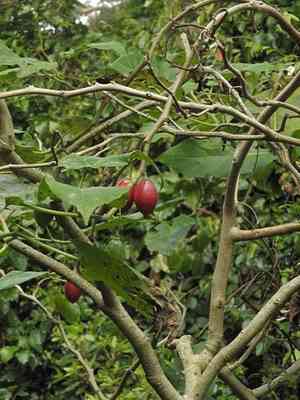
1
Prior to planting, always test your soil's pH; Tamarillo flourishes in soil with a pH range of 6.5 to 7.5.
2
Add thoroughly decomposed organic material to enrich the soil with nutrients.
3
Adequate drainage is essential to avoid root decay in Tamarillo specimens.
Optimal Soil for Tamarillo Cultivation
Soil Texture and Makeup
The Tamarillo plant thrives in well-draining soil that effectively balances air and moisture. An ideal blend of sand, silt, and clay, in roughly equal parts, creates a loamy texture. This soil composition guarantees roots receive sufficient oxygen while retaining adequate moisture. Furthermore, soil rich in organic content aids aeration and water retention.
Loamy Versus Sandy Soil
While loamy soil is frequently preferred, sandy soil can also be suitable with appropriate modifications. Sandy soil tends to drain rapidly and may not retain nutrients well, but by incorporating organic material like compost or aged manure, you can boost its water retention and nutrient capacity. This fosters a balanced environment for Tamarillo growth.
Significance of Organic Material
The inclusion of organic matter in your soil is paramount. Organic matter, such as compost, enhances soil structure, encourages beneficial microbial activity, and supplies vital nutrients. Before planting Tamarillo, blend 3 to 4 inches (7.5 to 10 cm) of well-decomposed compost or manure into the top 6 to 8 inches (15 to 20 cm) of soil. This practice enriches the soil and supports robust plant development.
Preparing Soil for Tamarillo Planting
Assessing Soil pH Levels
Prior to planting Tamarillo, it's crucial to assess your soil's pH levels. The optimal pH range for Tamarillo is between 6.5 and 7.5. You can utilize a home soil test kit or submit a soil sample to a local agricultural extension service. Soil pH impacts nutrient availability, so maintaining the correct pH ensures the plant can absorb nutrients efficiently.
Adjusting Soil for Ideal pH
Tamarillo plants prefer slightly acidic to neutral soil. If your soil pH falls outside the optimal range, you'll need to modify it. To decrease pH (make the soil more acidic), you can add elemental sulfur or peat moss. Conversely, to increase pH (make it more alkaline), consider adding lime. It's wise to retest the soil after applying amendments to confirm the pH levels are now appropriate for Tamarillo.
Effective Soil Drainage Methods
Properly drained soil is essential for preventing waterlogged roots, which can lead to root rot. If your soil drains poorly, consider constructing raised beds or incorporating organic matter and sand to enhance drainage properties. Drainage can also be improved by planting Tamarillo on slopes or adding perforated tubes in the soil to facilitate water movement.
Maintaining Tamarillo Soil Health
Mulching and Its Advantages
Applying mulch around the base of your Tamarillo plants helps conserve soil moisture, suppress weeds, and stabilize soil temperature. Organic mulches, such as straw, wood chips, or leaves, decompose over time, adding valuable organic matter to the soil. Apply a 2 to 3 inch (5 to 7.5 cm) layer of mulch, keeping it a few inches away from the plant stem to prevent decay.
Utilizing Fertilizers and Compost
Consistent feeding is vital for the vigorous growth of Tamarillo plants. Integrate balanced, slow-release fertilizers into the soil during the growing season. Additionally, top-dressing the soil with compost every few months replenishes nutrients and improves soil structure. Aim for a balanced fertilizer ratio, such as 10-10-10 (N-P-K), ensuring not to over-fertilize, which can harm the plant.
Preventing Soil Loss
To prevent soil erosion, especially in areas with heavy rainfall or wind, consider using cover crops or ground covers around your Tamarillo plants. Plants like clover or rye can bind the soil and add organic matter when tilled into the soil as green manure. Mulching and terracing can also significantly reduce erosion risks.
Common Soil Issues for Tamarillo
Identifying and Treating Soil Pests
Soil pests, such as nematodes, can impede Tamarillo growth. Regularly inspect the soil and roots for signs of pest infestation. If pests are detected, treat the soil with nematode-resistant cover crops like marigolds or use organic nematicides. Maintaining healthy soil through organic matter and proper watering practices can also deter pests.
Addressing Excessively Acidic or Alkaline Soil
Managing soil pH is an ongoing process. If your soil becomes too acidic or alkaline, it can hinder nutrient uptake. Use soil amendments like agricultural lime to correct acidic soils or sulfur to amend alkaline soils. Regular testing and adjustments ensure your Tamarillo plants receive optimal conditions for nutrient absorption.
Correcting Inadequate Soil Drainage
If you observe water pooling around your Tamarillo plants, your soil drainage requires improvement. Amend the soil with organic matter, install a drainage system, or create raised beds to enhance water movement. Ensuring that your soil is loose and not compacted can also facilitate better drainage.



