Optimal Soil for Growing Japanese skimmia: What You Need to Know
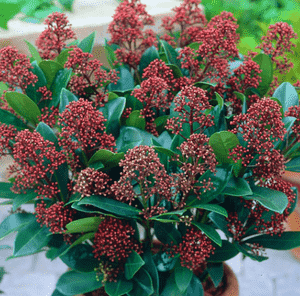
1
Japanese skimmia flourishes in soil that is mildly acidic to neutral, with a pH between 6.5 and 7.5.
2
Adding organic materials such as compost can greatly enhance the soil's richness and composition.
3
Consistent soil analysis assists in sustaining the correct pH and nutrient concentrations for robust development.
Optimal Soil Type for Japanese Skimmia
Loamy Soil Preference
Japanese skimmia thrives in loamy soil, a balanced mix of sand, silt, and clay. This soil type provides excellent drainage while retaining adequate moisture. Its texture allows roots to breathe and efficiently absorb water and nutrients. Whether planting in a garden bed or container, ensure loamy soil for vigorous growth.
Acidic Soil Requirements
Japanese skimmia prefers slightly acidic to neutral soil, ideally with a pH between 6.5 and 7.5. This acidity ensures the plant can effectively absorb essential nutrients. You can check your soil's pH using a home testing kit or by submitting a sample to your local agricultural extension office.
Moisture Retention Capacity
While Japanese skimmia dislikes waterlogged conditions, it flourishes in soil that can hold sufficient moisture. The loamy soil blend naturally maintains the correct humidity level without becoming overly wet. If your soil is too sandy or clayey, amending it to improve moisture retention can be advantageous.
How to Improve Soil for Japanese Skimmia
Organic Matter Addition
Incorporating organic matter like aged manure, leaf mold, or compost enhances soil fertility and structure. Organic matter aids in moisture retention while improving drainage and aeration. It also introduces beneficial microorganisms to the soil, boosting the plant's overall health.
Using Compost
Compost is invaluable for gardeners. For Japanese skimmia, adding compost to your soil can boost its nutrient content and water-holding capacity. Aim for a compost application of about 25-50% of the total soil volume, mixing it thoroughly to prevent organic matter concentration in one spot.
pH Adjustment Techniques
If your soil's pH falls outside the ideal range of 6.5 to 7.5, you can modify it. To increase soil acidity, consider adding elemental sulfur or pine needles. For raising the pH to more neutral conditions, dolomite lime can be used effectively. Always retest the soil after adjustments to ensure it reaches the desired pH level.
Common Soil Issues and Solutions for Japanese Skimmia
Poor Drainage Fixes
Inadequate drainage can lead to root rot, a frequent problem for Japanese skimmia. To enhance drainage, consider adding coarse sand or perlite to your soil mix. For potted plants, ensure containers have ample drainage holes and use a quality potting mix suitable for acid-loving plants.
Nutrient Deficiency Correction
Yellowing leaves often signal nutrient deficiencies. Regularly enriching your soil with organic fertilizers like fish emulsion or compost tea can keep your Japanese skimmia healthy. A general-purpose organic fertilizer can also help maintain an optimal nutrient balance.
Compacted Soil Solutions
Compacted soil hinders root growth and nutrient uptake. To alleviate this, periodically aerate the soil around your Japanese skimmia. This involves loosening the soil without excessively disturbing the roots. Adding organic matter, such as compost, can further prevent compaction by improving soil structure.
Maintaining Ideal Soil Conditions for Japanese Skimmia
Regular Soil Testing
Consistent soil testing is vital to ensure the soil remains within the optimal pH and nutrient range for Japanese skimmia. Home testing kits are available, or you can send samples to a lab for more detailed analysis. Testing should be done at least once a year, preferably during the growing season.
Seasonal Soil Care Tips
Adjusting soil care routines seasonally is beneficial. In spring, incorporating fresh compost and adjusting pH if needed prepares the soil for vigorous growth. In fall, mulching can protect the soil and roots from extreme winter conditions and help retain moisture.
Mulching Benefits
Mulching with organic materials like shredded bark, pine needles, or leaf mold offers numerous advantages. It helps retain soil moisture, suppress weeds, and regulate soil temperature. Moreover, as the mulch decomposes, it adds valuable organic matter back into the soil, enhancing fertility.



