Optimal Soil for Growing Giant sequoia: What You Need to Know
1
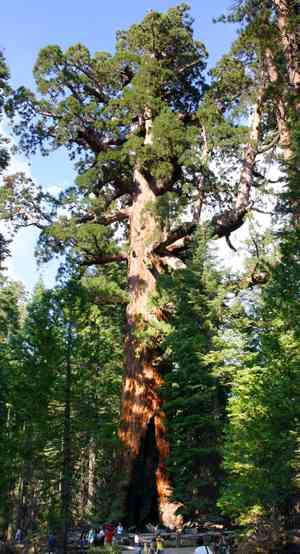
Giant sequoias may reach heights of 300 feet, yet their root systems typically penetrate the soil to a depth of only 6 meters (20 feet).
2
Did you know? Loamy soil, which offers good drainage and ample nutrients, is the ideal medium for numerous tree species, including the Giant sequoia.
3
Applying organic mulch consistently around Giant sequoias aids in moderating soil temperature and preserving moisture levels.
Optimal Ground Conditions for Giant sequoia
Benefits of Loamy Earth
Loamy earth is the premier choice for Giant sequoia trees. This ground type achieves an ideal equilibrium of sand, silt, and clay, offering superb drainage while retaining necessary moisture. The composition of loamy earth allows roots to efficiently absorb air, water, and nutrients. This is crucial for the vigorous development of these magnificent trees. Furthermore, loamy earth contains a rich variety of organic material, which supports healthy microbial activity vital for tree well-being.
Blends with Sandy Ground
While loamy earth is perfect, sandy ground can also be advantageous if mixed correctly. Sandy ground ensures quick water runoff, preventing waterlogging which can harm Giant sequoia roots. When combined with organic matter or compost, sandy ground improves its capacity to hold nutrients. This blend can be especially useful in areas where ground drainage is typically poor, as it helps maintain the necessary balance of moisture and nutrients.
Considerations for Clay Ground
Clay ground presents particular difficulties for cultivating Giant sequoias. Its dense nature can lead to inadequate drainage and slow root development. However, enriching clay ground with organic substances like compost or gypsum can significantly enhance its structure. By boosting aeration and drainage, these additions make clay ground more suitable for Giant sequoia trees. Paying attention to ground texture and consistent amendments can create a more welcoming environment for these impressive trees.
Appropriate Ground pH for Giant sequoia
Ideal pH Spectrum
The ideal ground pH for Giant sequoia trees ranges between 6.5 and 7.5. This slightly acidic to neutral range facilitates the best nutrient availability and absorption by the roots. Deviations outside this range can cause nutrient imbalances, impacting tree health and growth. Ensuring your ground pH remains within this spectrum is essential for fostering a healthy growing environment.
Assessing Ground pH
Regularly assessing your ground pH is vital for maintaining a healthy growing environment for Giant sequoias. You can utilize home testing kits available at gardening centers or submit ground samples to professional laboratories for more precise outcomes. Conduct tests at varying ground depths and in different areas around the planting site to gain a comprehensive understanding of your ground's pH levels.
Modifying Ground pH
If your ground pH falls outside the optimal range, adjustments can be made to correct it. For acidic grounds (low pH), lime can be added to elevate the pH level. For alkaline grounds (high pH), elemental sulfur or acidifying fertilizers can help reduce the pH. Always adhere to application guidelines carefully and retest the ground after amendments to ensure the desired pH level is achieved.
Essential Nutrients for Giant sequoia Ground
Key Nutrients Required
Like all flora, Giant sequoia trees need specific nutrients to flourish. Key nutrients include nitrogen (N), phosphorus (P), and potassium (K). Nitrogen is crucial for vegetative development, phosphorus supports root formation and blooming, and potassium enhances overall plant vitality and disease resistance. Additionally, micronutrients such as iron, manganese, and zinc play vital roles in tree health.
Indicators of Nutrient Deficiency
Recognizing indicators of nutrient deficiency can help you address issues before they become severe. Common signs include yellowing foliage, stunted development, and poor overall vigor. Specific deficiencies manifest in unique ways; for example, nitrogen deficiency often results in yellowing older leaves, while phosphorus deficiency can lead to dark green foliage with purple hues along the veins. Monitoring these indicators can help you take timely corrective action.
Supplements and Enhancements
To ensure your Giant sequoia receives adequate nutrients, consider using supplements and ground enhancements. Organic compost is an excellent all-around enhancement, enriching the ground with a broad spectrum of nutrients. Specialized fertilizers can address specific deficiencies: for instance, a balanced 10-10-10 fertilizer can provide essential macro-nutrients, while micronutrient supplements can be added based on ground test results.
Ground Drainage Requirements for Giant sequoia
Significance of Good Drainage
Proper ground drainage is critical for the well-being of Giant sequoia trees. Inadequate drainage can lead to waterlogged ground, suffocating roots and fostering fungal diseases. Ensuring that water flows freely through the ground enables roots to access oxygen and nutrients effectively. In natural environments, Giant sequoias thrive on slopes where drainage is naturally optimal, so replicating this in a garden setting is crucial.
Methods to Enhance Drainage
Enhancing ground drainage can be achieved through several methods. Amending the ground with organic matter such as compost or aged manure can improve its structure. Creating elevated beds or planting on inclines can help facilitate better water flow. If these methods are challenging to implement, installing a simple French drain system can also be an effective solution.
Maintaining Ground Health for Giant sequoia
Regular Ground Analysis
Regular ground analysis is an essential practice in maintaining the health of Giant sequoia trees. These analyses help you monitor nutrient levels, pH, and overall ground condition, allowing for timely interventions when necessary. Conduct ground tests at least once a year and more frequently if you notice changes in tree health.
Organic Ground Cover
Applying organic ground cover around Giant sequoia trees offers multiple benefits. Ground cover helps retain ground moisture, suppresses weeds, and gradually adds organic matter to the ground as it decomposes. Use materials such as wood chips, bark, or compost to cover the ground around the base of the tree, keeping it clear of the trunk to prevent rot.
Preventing Ground Compaction
Ground compaction can impede root growth and water infiltration, negatively impacting Giant sequoia health. Avoid heavy foot traffic and machinery around the root zone. Incorporating organic matter and using aeration techniques such as coring or spiking can alleviate compaction and improve ground structure.



