Optimal Soil for Growing Broadleaf stonecrop: What You Need to Know
1
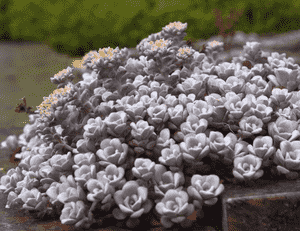
Sedum spathulifolium flourishes in arid, stony ground and needs infrequent irrigation after rooting.
2
To achieve peak development, keep the soil's acidity level between 6 and 7.5 for proper nutrient uptake.
3
Amend poorly draining earth with sand or grit to boost air circulation and water runoff.
Substrate Makeup for Broadleaf Stonecrop
Ideal Growing Medium
For your Broadleaf stonecrop to thrive, selecting the correct soil type is crucial. This resilient succulent prefers sandy or rocky, well-draining substrates, mirroring its natural habitat. Replicating these conditions in your garden or containers is vital. A pre-made cactus or succulent mix from garden centers is an excellent option. If you prefer a DIY approach, combine standard potting soil with coarse sand or perlite in equal proportions.
Essential Soil Nutrients
While Broadleaf stonecrop isn't overly demanding regarding nutrients, providing fundamental elements supports vigorous development. A suitable soil blend should include organic matter, such as compost or aged manure, to supply vital nutrients. Ensure the presence of macronutrients like nitrogen, phosphorus, and potassium, along with trace elements such as magnesium and calcium, which can be supplemented if needed.
Drainage Requirements
Optimal drainage is critical for cultivating Broadleaf stonecrop. These plants are highly vulnerable to root decay if kept in excessively damp conditions. Emulating their native rocky environments, ensure your planting medium allows water to pass through rapidly, while retaining minimal moisture. Elevated beds or containers with drainage holes enhance this capability, preventing waterlogging and fostering robust root systems.
Soil Texture and Consistency
Broadleaf stonecrop favors a gritty soil texture that offers stability and necessary aeration for root growth. An ideal mix incorporates larger particles like gravel or small stones alongside finer components such as sand. Achieving a balance between good aeration and soil cohesion is key, preventing soil compaction that hinders root expansion and airflow.
How to Assess Your Soil for Broadleaf Stonecrop
At-Home Soil Testing Kits
Before planting, understanding your soil's characteristics is advantageous. Home soil testing kits, available at garden supply stores, enable you to quickly measure key parameters like pH, nutrient levels, and organic content. These kits typically involve collecting a soil sample, mixing it with water and a test solution, then comparing the resulting color change against a provided chart.
Interpreting Test Outcomes
Once you have your test results, comprehending their significance is essential. For Broadleaf stonecrop, ensure the soil's pH is between 6 and 7.5. Nitrogen levels should support moderate growth, while phosphorus and potassium are vital for root and overall plant health. If any nutrient is deficient, consider amending your soil accordingly. For example, add lime to increase pH or sulfur to decrease it.
Modifying Soil for Broadleaf Stonecrop
Enhancing Drainage
If your soil's drainage is inadequate, amending it can greatly benefit your Broadleaf stonecrop. Incorporate coarse elements such as sand, gravel, or perlite to improve water flow. Raised beds also assist by increasing soil aeration and allowing excess water to drain easily. Aim for a soil mix that dries out quickly after watering but retains sufficient moisture for the plant's needs.
Adjusting Soil pH
Maintaining the correct soil pH is crucial for nutrient availability and plant vitality. If your soil tests outside the optimal range, adjustments may be necessary. To raise the pH, add ground limestone or wood ash; to lower it, use sulfur or peat moss. Periodically monitoring pH levels ensures they remain within the desired range, promoting ideal growth conditions.
Adding Nutrient-Rich Organic Material
Enriching your soil with organic matter improves both nutrient content and soil structure. Incorporate compost, aged manure, or leaf mold into your soil mix to boost fertility and microbial activity. This not only provides essential nutrients but also enhances water retention and aeration, fostering a supportive environment for your Broadleaf stonecrop.
Common Soil Issues and Solutions for Broadleaf Stonecrop
Poor Water Runoff
Soil with poor drainage poses the most significant threat to Broadleaf stonecrop. Symptoms include yellowing foliage and root rot. To rectify this, amend your soil with materials like sand or gravel to improve drainage. Alternatively, consider planting in containers using well-draining potting mixes, ensuring the containers have adequate drainage holes.
Nutrient Deficiencies
While Broadleaf stonecrop is generally low-maintenance, nutrient deficiencies can still occur. Common indicators include stunted development or pale leaves. Conduct soil tests regularly and amend with fertilizers or organic matter as needed. Slow-release fertilizers can be advantageous, providing consistent nutrient availability over time.
Soil Compaction
Compact soil restricts root development and water movement. To prevent or alleviate this, avoid excessive tilling and walking on garden beds. Incorporate coarse materials and organic matter to improve texture and aeration. Regular mulching and minimal disturbance foster a healthy, loose soil bed conducive to robust plant growth.
Seasonal Soil Care Advice for Broadleaf Stonecrop
Spring
Spring is an opportune time to prepare your soil for the active growing period. Test soil pH, amend with organic compost, and ensure proper drainage. Mulching can help retain moisture as temperatures rise while suppressing weed growth.
Summer
During summer, Broadleaf stonecrop thrives with minimal intervention. Ensure soil remains well-drained and avoid overwatering. Regularly check for signs of nutrient deficiencies or pests, addressing them promptly to maintain plant health.
Fall
In the fall, prepare your Broadleaf stonecrop for winter by clearing debris and adding a light layer of mulch to protect roots from temperature fluctuations. Reducing watering as temperatures drop prevents root rot, ensuring a strong start in the spring.
Winter
Winter requires minimal soil care as Broadleaf stonecrop is hardy and generally dormant. Ensure drainage is sufficient to handle winter precipitation. Avoid heavy mulching, which can retain excess moisture and lead to rot during the colder months.



