Optimal Soil for Growing Stringy stonecrop: What You Need to Know
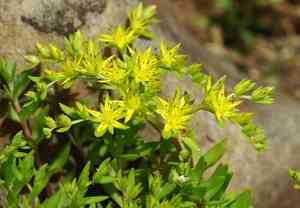
1
Stringy stonecrop flourishes in soil that drains effectively, minimizing the chance of root decay.
2
Adding sand or perlite enhances soil breathability for Stringy stonecrop.
3
Knowing the optimal soil pH (ranging from 6.0 to 7.5) assists in keeping Stringy stonecrop robust.
Optimal Soil Type for Stringy Stonecrop
Well-Draining Substrate
For best growth, Stringy stonecrop needs soil that drains effectively. This succulent is very prone to root rot if it remains in waterlogged conditions. Ensure your soil blend allows excess water to exit quickly. If using a pot, always select one with ample drainage holes. Outdoor plantings should be in elevated beds or areas with natural runoff to prevent standing water.
Sandy or Gritty Consistency
Soil with a sandy or gritty texture is ideal for Stringy stonecrop. This type of soil not only ensures good drainage but also enhances aeration, allowing roots to breathe. You can create your own mix by combining standard garden soil with sand, small stones, or perlite. A typical ratio for a custom blend is two parts soil to one part sand or grit.
Ideal Soil pH for Stringy Stonecrop
Neutral to Slightly Alkaline Range
Stringy stonecrop thrives in a soil pH between 6.0 and 7.5. This pH range is slightly neutral to mildly alkaline, which is perfect for nutrient availability and plant vitality. Testing your soil pH can help maintain this balance. Soil testing kits are readily available at garden centers and are simple to use.
Avoiding Acidic Conditions
Steer clear of overly acidic soils for Stringy stonecrop. Acidity (below pH 6.0) can hinder nutrient absorption, stunting growth and leading to poor plant health. If your soil is acidic, consider adding lime to raise the pH to a more suitable level.
Nutrient Requirements for Stringy Stonecrop
Low Fertility Needs
Stringy stonecrop is not a heavy feeder and can flourish in low-fertility soils. Over-fertilizing can actually harm the plant, causing it to become leggy and less appealing. A minimal feeding schedule, perhaps once a year in the spring, with a balanced, diluted fertilizer, is generally sufficient.
Incorporating Organic Matter
While low fertility is crucial, a small amount of organic matter can be beneficial. Mix a thin layer of compost into the soil to provide essential nutrients without overwhelming the plant. This practice also helps improve soil structure and drainage.
Amending Soil for Stringy Stonecrop Health
Adding Perlite or Sand
To ensure well-draining soil, consider amending your garden soil with perlite or coarse sand. These materials improve drainage and air circulation around the roots. A mix of one part perlite or coarse sand to two parts garden soil usually works well for Stringy stonecrop.
Using Compost Sparingly
While compost provides nutrients, use it sparingly with Stringy stonecrop to prevent excessive fertility. A light top-dressing of compost can be advantageous, but ensure it doesnât dominate the soil composition.
Common Soil Issues for Stringy Stonecrop
Soil Compaction
Compacted soil can be detrimental to Stringy stonecrop. It impedes drainage, hinders root development, and reduces aeration. To prevent this, regularly loosen the soil around the plant and avoid heavy foot traffic in the area.
Poor Drainage
Poor drainage is a frequent problem that can negatively affect Stringy stonecrop. Ensure your chosen planting site or container has adequate drainage. Avoid overly dense soil and always opt for well-draining alternatives to keep your plant healthy.



