Optimal Soil for Growing Carpet sedum: What You Need to Know
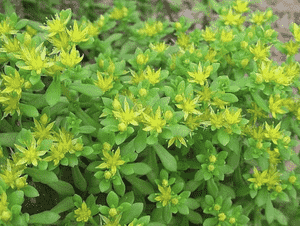
1
Carpet sedum flourishes in soil with a pH between 6 and 7.5, indicating its suitability for slightly acidic to neutral conditions.
2
Properly draining soil is vital for Carpet sedum to avoid root decay and other problems caused by excessive moisture.
3
Incorporating organic material such as compost enhances soil composition, supplying key nutrients for Carpet sedum.
Optimal Substrate Composition for Carpet Sedum
What is the Ideal Substrate Type?
For cultivating Carpet sedum, the substrate choice is crucial. This plant thrives in well-draining, sandy or loamy soil that permits water to pass through easily without pooling. This characteristic helps prevent root rot, a frequent issue for succulents like Carpet sedum. Incorporating sand or perlite can boost substrate drainage, making it more suitable for the plant's development.
Key Substrate Components
Essential substrate elements for Carpet sedum include a blend of mineral particles such as sand, clay, and silt. An optimal ratio is approximately 40% sand, 40% silt, and 20% clay. This combination provides a balanced texture that improves drainage while retaining sufficient moisture for nutrient absorption. Additionally, adding fine gravel or perlite aids in creating an airy substrate structure, promoting healthier root growth.
Substrate Texture: Loamy, Sandy, or Clay?
Substrate texture significantly influences Carpet sedum's growth. Loamy soil, a balanced mix of sand, silt, and clay, is considered perfect for most plants, including Carpet sedum. However, sandy soil is also quite suitable due to its excellent drainage properties. If your substrate is heavy in clay, consider amending it with sand or fine gravel to enhance its texture and drainage capabilities.
Nutrient Requirements for Carpet Sedum
Primary Nutrients Required
Like most succulents, Carpet sedum needs a mix of primary nutrients to flourish. Nitrogen, phosphorus, and potassium are the key nutrients vital for its growth. Nitrogen is essential for foliage development, phosphorus supports root growth, and potassium contributes to overall health, including disease resistance. A balanced fertilizer, applied sparingly, can help meet these needs.
Role of Organic Matter
Organic matter plays a critical role in maintaining substrate health for Carpet sedum. Adding compost or well-rotted manure can improve substrate structure, increase nutrient availability, and enhance moisture retention. Organic matter also introduces beneficial microorganisms that improve nutrient cycling and substrate aeration, providing a robust environment for Carpet sedum to grow.
Avoiding Excessive Fertilization
While fertilization is necessary, over-fertilization can be harmful to Carpet sedum. Excessive nutrients, especially nitrogen, can lead to overly lush foliage at the expense of the plant's overall health and resilience. Stick to a low-nutrient substrate mix and apply a balanced, diluted fertilizer once or twice during the growing season. Always follow the recommended dosage to prevent nutrient burn.
Managing Substrate pH for Carpet Sedum
Ideal pH Range
Carpet sedum prefers a slightly acidic to neutral substrate pH range of 6 to 7.5. Maintaining this pH balance ensures that nutrients are available in forms that the plant can absorb efficiently. Substrate that is too acidic or too alkaline can lock up essential nutrients, making them unavailable to the plant and hindering its growth.
Testing Substrate pH
Testing your substrate's pH is a simple yet crucial step in maintaining optimal conditions for Carpet sedum. You can use a commercial substrate pH test kit or electronic pH meter to get accurate readings. Conduct tests in different spots around your garden to get a comprehensive understanding of your substrate's pH levels, and take corrective actions if necessary.
Adjusting Substrate pH
If you find that your substrate's pH is outside the ideal range, there are several ways to adjust it. To raise the pH (make the substrate more alkaline), you can add garden lime. To lower the pH (make the substrate more acidic), sulfur or organic matter like pine needles can be used. Always retest the substrate pH after a few weeks to ensure it has adjusted to the desired level.
Substrate Drainage for Carpet Sedum
Importance of Well-Drained Substrate
Proper substrate drainage is vital for Carpet sedum due to its sensitivity to waterlogged conditions. Poorly drained substrate can lead to root rot, fungal infections, and other water-related diseases. Ensuring good drainage allows excess water to escape, keeping the root zone dry and aerated, which is essential for healthy plant growth.
Improving Drainage in Your Substrate
Improving substrate drainage can be achieved through several methods. Adding coarse sand, perlite, or fine gravel to your substrate mix can enhance its drainage properties. Raised beds or mounds are another effective way to ensure water flows away from plant roots. Ensure that your planting area is not situated in a low spot where water tends to accumulate.
Common Drainage Issues and Solutions
Common drainage issues include compacted substrate, which prevents water from percolating. To resolve this, aerate the substrate by loosening it with a garden fork. In extreme cases, installing a French drain or using pots with drainage holes can effectively manage excess water. Regularly check the moisture levels and adjust your watering practices to avoid waterlogging.
Preparing and Maintaining Substrate for Carpet Sedum
Initial Substrate Preparation
Before planting Carpet sedum, ensure your substrate is well-prepared. Start by clearing the area of weeds and debris. Till the substrate to a depth of about 12 inches (30 centimeters) to break up compacted layers and improve aeration. Mix in sand, perlite, and organic matter to enhance drainage and nutrient content, creating an ideal environment for the plant.
Ongoing Substrate Maintenance Practices
Maintaining optimal substrate conditions is an ongoing process. Regularly check substrate moisture levels and adjust watering practices accordingly. Reapply organic matter yearly to replenish nutrients and maintain substrate structure. Monitor for signs of nutrient deficiencies or pH imbalance and take corrective actions promptly to ensure the health of your Carpet sedum.
Seasonal Substrate Care
Seasonal changes necessitate adjustments in substrate care practices. In spring, prepare the substrate with a fresh layer of compost and conduct pH tests. During summer, focus on maintaining consistent moisture levels, watering more frequently during dry periods. In fall, add a layer of mulch to protect the substrate from erosion and temperature fluctuations. Winter care involves minimal intervention, but ensure the substrate remains well-drained to prevent issues during dormancy.



