Optimal Soil for Growing Tree stonecrop: What You Need to Know
1
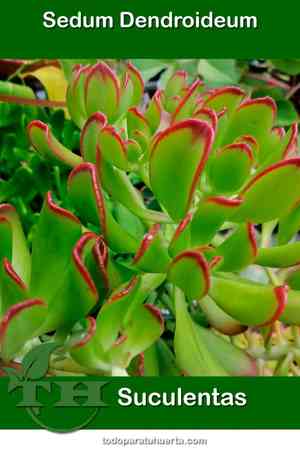
Tree stonecrop originates from Mexico and thrives in sunny, arid conditions.
2
The perfect soil pH for Tree stonecrop is between 6 and 7.5, promoting peak nutrient uptake.
3
Adding sand or perlite to the substrate aids in preventing root decay by enhancing water runoff.
Optimal Soil Type for Tree Stonecrop Cultivation
Soil with Good Drainage
The primary requirement for successful Tree stonecrop cultivation is ensuring the soil drains effectively. This succulent cannot endure saturated conditions, which can lead to root decay. Well-draining soil prevents water accumulation around the roots, mimicking its natural dry environment.
Soil Makeup
The ideal blend incorporates sandy or gritty soil, offering superb drainage while retaining sufficient moisture and nutrients. A combination of standard potting mix with sand or perlite works exceptionally well for Tree stonecrop. If planting outdoors, consider preparing an elevated bed to enhance drainage.
Optimal pH Levels
Soil pH is vital for nutrient uptake. For Tree stonecrop, the perfect soil pH ranges from 6 to 7.5. This slightly acidic to neutral range ensures the plant can absorb essential nutrients efficiently. Testing your soil's pH can help you adjust it with amendments like lime to increase pH or sulfur to decrease it.
Avoiding Dense Clay Soils
Heavy clay soils can be detrimental to Tree stonecrop as they hold too much water and can suffocate the roots. If your garden soil is rich in clay, it's crucial to amend it by blending in sand, perlite, or organic matter to improve its structure and drainage.
Enhancing Soil for Tree Stonecrop
Utilizing Organic Material
Incorporating organic matter such as compost or aged manure helps improve soil fertility and structure. This addition can boost moisture retention without making the soil waterlogged, providing a balanced environment for Tree stonecrop.
Adding Sand or Perlite
For superior drainage, blend sand or perlite into your soil. These components increase aeration and prevent water from lingering near the roots for too long. A good starting ratio is one part perlite or sand to two parts potting soil.
Applying Mulch
A layer of mulch on the soil surface can help regulate temperature and reduce evaporation. However, ensure you use a light mulch like gravel or small pebbles, which won't retain excessive moisture and will help maintain optimal conditions for your Tree stonecrop.
Common Soil Issues for Tree Stonecrop
Detecting Poor Drainage
One of the most frequent problems is inadequate drainage, which can cause root rot. Symptoms include yellowing foliage, wilting, and a soft stem. Check if the soil remains wet after watering; if so, consider amending it with sand or perlite.
Signs of Soil Compaction
Compacted soil restricts root development and air circulation. Look for indicators like stunted growth, poor water penetration, and a hard soil surface. To remedy this, aerate the soil by poking holes or mixing in organic matter.
Nutrient Deficiencies
If your Tree stonecrop exhibits pale or discolored leaves, it might be suffering from nutrient shortages. A soil test can help identify missing nutrients, allowing you to amend the soil with necessary fertilizers, such as a balanced all-purpose fertilizer.
Soil Preparation Before Planting Tree Stonecrop
Testing Soil pH
Before planting, it's essential to test the soil pH to ensure it falls within the ideal range of 6 to 7.5. pH test kits are widely available and simple to use. Adjust the pH as needed with specific soil amendments.
Amending the Soil
Based on your soil test results, modify the soil with the required materials. Add organic matter for fertility, sand or perlite for drainage, and lime or sulfur to adjust pH levels. Mixing these thoroughly ensures a uniform consistency.
Ensuring Sufficient Aeration
Aeration is vital for root health. Loosen the soil to a depth of at least 12 inches (30 cm) before planting. This step ensures that roots can easily penetrate the soil and access necessary air and nutrients.
Is Potting Mix Suitable for Tree Stonecrop?
Selecting the Appropriate Potting Mix
A high-quality, well-draining potting mix is perfect for growing Tree stonecrop in containers. Look for a cactus or succulent blend, specifically formulated to provide the drainage these plants require.
Advantages of Potting Mix
Potting mix offers several benefits, including a disease-free planting medium, optimal aeration, and nutrient retention. It's also simpler to manage watering, as the drainage properties are typically superior to garden soil.
Mixing Perlite for Enhanced Drainage
For improved drainage, blend perlite into your potting mix. Aim for approximately 25% perlite to 75% potting mix. This combination helps prevent water from pooling and ensures your Tree stonecrop roots remain healthy and free from rot.



