Optimal Soil for Growing White stonecrop: What You Need to Know
1
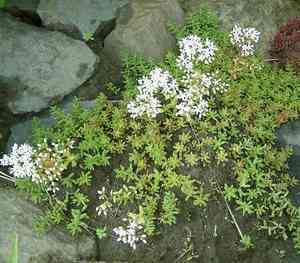
White stonecrop flourishes in gritty, well-draining substrates, making it ideal for xeriscapes.
2
Periodically check your soil's pH level to confirm it remains between 6 and 7.5, which is optimal for White stonecrop.
3
Incorporating sand and small stones into your soil can significantly enhance drainage and mimic the plant's native environment.
What Soil Type Does White Stonecrop Prefer?
Well-Drained Substrate
The secret to a flourishing White stonecrop is well-draining soil. This succulent is very susceptible to excessive watering, which can cause root decay. Ensuring the soil permits rapid water passage is vital. To achieve this, consider incorporating perlite or coarse sand into your potting mix if growing in containers. For garden planting, guaranteeing excellent soil drainage will emulate the arid conditions these plants naturally favor.
Soil pH Requirements
White stonecrop thrives in slightly acidic to neutral soil pH, ideally between 6 and 7.5. Maintaining this pH range is essential for the plant to absorb nutrients effectively. You can assess your soil pH using test kits available at garden centers or online. If your soil is too acidic, adding lime can help elevate the pH. Conversely, if it's too alkaline, integrating organic matter like compost or peat moss can help reduce the pH.
Sand and Gravel Blends
In its native environment, White stonecrop frequently grows in sandy and gravelly substrates. Replicating this setting in your garden can offer the plant a healthy growth medium. Mixing garden soil with coarse sand or small gravel enhances aeration and drainage. This combination prevents water from accumulating around the roots, which is crucial for avoiding fungal problems and root rot.
How to Prepare Soil for White Stonecrop Planting
Soil Analysis and Amendments
Before planting your White stonecrop, it's wise to analyze your soil. Soil testing kits can provide a detailed breakdown of your soil's makeup and pH levels. Based on the findings, you can decide on necessary modifications. For instance, if the soil lacks vital nutrients, you might need to add balanced fertilizers or specific amendments like compost. Ensuring the soil is in optimal condition from the start sets the stage for robust plant development.
Crafting a Soil Mixture
Creating the appropriate soil blend is fundamental for White stonecrop. Begin by combining one part potting soil with one part coarse sand and one part perlite. This mix guarantees superb drainage while supplying sufficient organic matter for nutrient uptake. Another effective blend includes garden soil, perlite, and small gravel. The inclusion of perlite and gravel mimics the gritty texture of the plant's natural habitat, offering both aeration and drainage.
Sterilizing the Soil
Sterilizing your soil is an often overlooked yet crucial step. It helps eliminate pathogens and pests that can harm your plant. To sterilize soil, spread it in a thin layer on a baking sheet and bake it in the oven at 180°F (82°C) for about 30 minutes. Alternatively, you can microwave moist soil for approximately 90 seconds. Sterilized soil significantly minimizes the risk of fungal infections and root diseases, promoting healthier growth.
Maintaining Soil Health for White Stonecrop
Regular Soil Assessment
Maintaining optimal soil conditions for White stonecrop involves routine soil testing. Periodic checks help monitor pH levels and nutrient content. If you detect any deficiencies or imbalances, adjustments can be made promptly. This proactive approach ensures your plant continues receiving essential nutrients and thrives within its ideal pH range.
Mulching Practices
Applying mulch around your White stonecrop can help retain moisture, suppress weeds, and regulate soil temperature. Choose inorganic mulches like gravel or small stones, which align well with the plant's preference for a dry environment. Mulching also mimics the plantâs natural habitat, shielding the roots from extreme temperature fluctuations while maintaining adequate soil aeration.
Correct Watering Methods
Proper watering techniques are vital for preserving soil health. White stonecrop prefers infrequent, deep watering, allowing the soil to completely dry out between irrigation sessions. Overwatering leads to waterlogged soil, which can encourage root rot. The soil should feel dry to the touch before you water it again. This watering strategy mimics the plantâs natural environment, fostering healthier and more vigorous growth.
Common Soil Issues with White Stonecrop and Solutions
Compacted Substrate
Compacted soil can impede root development and water absorption. To remedy this, regularly aerate the soil around your White stonecrop. You can achieve this by gently loosening the soil with a garden fork or incorporating organic matter like compost. Aeration improves root penetration and facilitates better water drainage and nutrient uptake.
Poor Drainage
Poorly draining soil can be detrimental to White stonecrop, leading to root rot and fungal problems. If you observe water pooling around your plant, consider creating raised beds or amending the soil with sand and gravel to enhance drainage. Alternatively, plant your White stonecrop in containers with drainage holes to ensure excess water escapes.
Nutrient Deficiencies
While White stonecrop does not demand overly rich soil, it can still suffer from nutrient deficiencies. Indicators of nutrient deficiencies include yellowing leaves and stunted growth. Regularly testing the soil and applying a balanced, slow-release fertilizer can help resolve these issues. Organic matter like compost can also improve soil nutrient content, providing a consistent supply of essential nutrients.



