Optimal Soil for Growing Goldmoss stonecrop: What You Need to Know
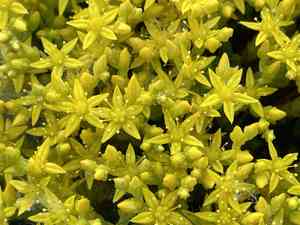
1
Goldmoss stonecrop flourishes in substrate with a pH level between 6 and 7.5.
2
Properly draining soil is essential to avoid root decay in Goldmoss stonecrop.
3
Refrain from excessive fertilization to preserve the vitality and lifespan of your Goldmoss stonecrop.
Optimal Ground Conditions for Goldmoss Stonecrop
Well-Draining Substrate
The primary characteristic of the growing medium for Goldmoss stonecrop is superior drainage. This resilient succulent is highly vulnerable to root decay if left in standing water. A gritty, sandy soil composition ensures water flows freely, allowing roots to respire. You can assess drainage by digging a 30 cm (12 inch) deep hole, filling it with water, and observing its dissipation. If water vanishes within minutes, your soil drains effectively.
pH Levels
Maintaining the correct pH level is vital for the health of Goldmoss stonecrop. The ideal pH range is 6 to 7.5, which is slightly acidic to neutral. You can use a pH meter or soil test kit to check your soil's pH. If adjustments are needed, add lime to increase pH or sulfur to decrease it. Consistent monitoring ensures the soil stays within the desired range.
Nutrient Content
Goldmoss stonecrop does not require a nutrient-rich substrate. In fact, excessively fertile soil can result in weaker development and heightened pest susceptibility. Low to moderate nutrient levels are optimal. Organic matter like compost should be used sparingly. Instead, prioritize sandy soils that mimic the plant's native environment.
Soil Texture
The texture of the growing medium significantly impacts Goldmoss stonecrop's vitality. Sandy or gritty textures are preferred as they promote drainage. You can achieve this texture by incorporating sand, perlite, or grit into your soil. Avoid clay soils, which retain too much moisture and can lead to root issues.
Preparing the Ground for Planting Goldmoss Stonecrop
Amending Soil with Sand or Grit
Before planting Goldmoss stonecrop, modify your soil with materials that improve drainage. Adding coarse sand or horticultural grit to your garden bed helps create a well-draining medium. A blend of approximately 50% garden soil and 50% sand or grit is often perfect. This mixture emulates the plant's natural rocky and sandy habitats.
Ensuring Proper Drainage
Effective drainage is paramount. You can enhance drainage by creating slightly elevated planting areas or raised beds. If planting in containers, ensure pots have drainage holes and use a well-draining potting mix. Avoid water-retentive materials like peat moss in your blend.
Creating Raised Beds
Raised beds offer an excellent solution for cultivating Goldmoss stonecrop in areas where the native soil drains poorly. Elevated beds allow you to control the soil composition and drainage more effectively. Fill them with a sandy, well-draining soil mix to provide optimal conditions for your plants.
Maintaining Soil Health for Goldmoss Stonecrop
Regular Soil Testing
Periodically testing your soil helps you monitor pH levels and nutrient content, ensuring they remain within optimal ranges. Testing kits are available at garden centers, or you can send samples to a local agricultural extension office for more detailed analysis.
Mulching Techniques
While traditional mulching helps retain moisture, this can be detrimental for Goldmoss stonecrop. Instead, use a thin layer of gravel or small stones as mulch. This helps keep the soil surface dry, reducing the risk of fungal issues and mimicking the plantâs natural environment.
Avoiding Over-Fertilization
Excessive fertilization of Goldmoss stonecrop can lead to lush but weak growth and increased pest problems. Use fertilizers sparingly, opting for a balanced, slow-release formula if necessary. Itâs often best to forgo fertilization altogether and rely on the natural nutrient content of well-prepared soil.
Common Soil Problems for Goldmoss Stonecrop
Poor Drainage Issues
Inadequate drainage is the most frequent problem affecting Goldmoss stonecrop. Symptoms include yellowing foliage and root rot. To remedy this, improve soil structure by incorporating coarse sand or grit and avoid overwatering.
Soil Compaction
Compacted soil restricts root development and water movement. To prevent and alleviate compaction, regularly aerate the soil and avoid walking on garden beds. Utilize raised beds or container gardens for better control.
Nutrient Imbalance
Nutrient imbalances can manifest as discolored or stunted growth in Goldmoss stonecrop. Regular soil testing helps detect issues early. Amendments should be made based on test results, ensuring you only add the necessary nutrients.



