Optimal Soil for Growing Scarlet sage: What You Need to Know
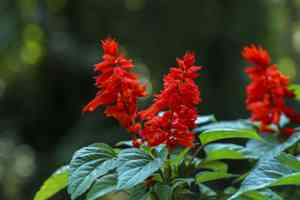
1
Scarlet sage flourishes in soil with a pH range of 6.5 to 7.5, indicating a slightly acidic to neutral condition.
2
Incorporating organic materials such as compost improves soil richness and composition, perfect for Scarlet sage development.
3
Verify that the soil drains well to avoid root decay, a frequent problem for Scarlet sage when over-irrigated.
Optimal Soil Types for Scarlet Sage
Loamy Substrates
Loam-based soils are frequently regarded as the benchmark for Scarlet sage, and indeed for most flowering plants. Loam represents a balanced blend of sand, silt, and clay, providing an ideal mix of moisture retention and proper drainage. This soil type possesses sufficient structure to hold essential nutrients while remaining loose enough for root expansion. For gardeners, aiming for loam is an excellent strategy to ensure your Scarlet sage has the best possible start.
Soil pH Requirements
The ideal pH range for Scarlet sage falls between 6.5 and 7.5, indicating a slightly acidic to neutral condition. Maintaining this pH level is vital as it directly impacts the availability of nutrients in the soil. You can assess your soil's pH using a home testing kit, widely available at garden centers. If the pH is excessively low (acidic), you can amend it by incorporating lime. Conversely, if it's too high (alkaline), sulfur or peat moss can help to reduce it.
Good Drainage Characteristics
Well-drained soil is fundamental to the vitality of Scarlet sage. Excessive moisture can lead to root rot, which is highly detrimental to the plant. A soil composition that drains effectively prevents water from accumulating around the root system. You can improve soil drainage by mixing sand or perlite into your soil blend. Raised beds and containers with drainage holes also offer effective solutions to prevent waterlogging.
Amending Soil for Scarlet Sage Cultivation
Incorporating Organic Material
Adding organic matter such as compost or aged manure can significantly enhance the soil quality for Scarlet sage. Organic matter not only enriches the soil with vital nutrients but also improves its structure, promoting better aeration and water retention. Aim to blend approximately 2-3 inches (5-7.5 cm) of organic material into the top 6 inches (15 cm) of your existing soil for optimal outcomes.
Nutrient Management
Balancing the nutrients in your soil is another critical factor to consider when preparing the ground for Scarlet sage. A soil analysis can help identify any nutrient deficiencies. Generally, a balanced fertilizer with a 10-10-10 N-P-K (Nitrogen-Phosphorus-Potassium) ratio is effective. Adhere to the package instructions for application rates, and consider using slow-release fertilizers to sustain nutrient levels over time.
Enhancing Drainage
Improving soil drainage can be achieved through various methods. Incorporating coarse sand or gravel at the base of planting holes can be beneficial. Another effective approach is to construct raised beds, which naturally improve drainage and are ideal for managing soil quality. Elevating your garden beds by 20-30 cm (8-12 inches) can significantly prevent waterlogged conditions, providing a healthier root environment for your Scarlet sage.
Common Soil Issues for Scarlet Sage and Their Solutions
Compact Soil
Compacted soil hinders root development and reduces the penetration of air and water. To address soil compaction, regularly aerate your garden by turning the soil with a garden fork or using an aeration tool. Adding organic matter like compost can further break up dense layers and improve soil structure.
Poor Drainage
Inadequate drainage is a frequent issue in clay-heavy soils and can be harmful to Scarlet sage. To correct this, mix sand or perlite into the soil to enhance its drainage capabilities. Alternatively, you can opt for container planting, which offers greater control over soil drainage.
Nutrient Deficiencies
Nutrient deficiencies manifest as symptoms like yellowing foliage and stunted growth. Perform a soil test to pinpoint the missing nutrients. Once identified, apply appropriate fertilizers to replenish the soil. For example, a nitrogen deficiency can be corrected with a nitrogen-rich fertilizer, while shortages of phosphorus and potassium can be resolved with balanced fertilizers.
Seasonal Soil Care for Scarlet Sage
Spring Preparation
Spring is the perfect time to get your soil ready for planting. Begin by removing any debris such as leaves and twigs. Till the soil to aerate it, and mix in compost or a balanced 10-10-10 fertilizer. This will create a nutrient-rich environment for your Scarlet sage to flourish as the growing season commences.
Summer Maintenance
During the summer months, maintaining soil moisture and nutrient levels is crucial. Apply mulch around your Scarlet sage to retain soil moisture and suppress weed growth. Regularly check the soil's moisture content and water as needed. Avoid overwatering to prevent root rot. If you are using a slow-release fertilizer, reapply it according to the package instructions.
Fall Soil Conditioning
Autumn is the time to condition your soil for the upcoming winter. Remove any spent plants and debris. Add organic matter like compost to enrich the soil and cover it with mulch to protect it during the colder months. This will also prepare the soil for spring planting by ensuring it remains fertile and well-structured.
Winter Protection
While Scarlet sage is not particularly frost-tolerant, the soil can still benefit from winter care. Apply a thick layer of mulch around the plant bases to insulate the soil and roots from extreme temperatures. If you are in a region with harsh winters, consider using row covers or burlap to protect your plants. These measures will ensure that your soil remains viable and ready for spring planting.



