Optimal Soil for Growing Redvein dock: What You Need to Know
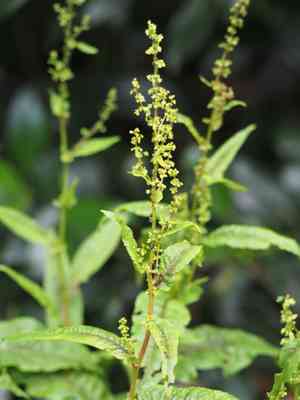
1
Redvein dock flourishes in soil with a pH range of 6.5 to 7.5, which guarantees ideal nutrient uptake.
2
Properly aerated soil prevents root decay and encourages strong development in Redvein dock.
3
Incorporating compost or organic matter greatly improves soil richness and composition for Redvein dock.
The Significance of Soil for Redvein Dock
Soil Quality's Importance
Soil quality is a vital element for the robust development of Redvein dock. Superior soil delivers essential nutrients, aids in moisture retention and water flow, and permits unrestricted root expansion. Substandard soil can result in stunted development, nutrient shortages, and heightened vulnerability to pests and diseases. Ensuring the soil is rich in organic matter and drains effectively will establish a strong base for your Redvein dock.
How Soil Impacts Development
The growth and overall vitality of Redvein dock are directly shaped by the soil's characteristics. Soil texture, composition, and pH levels play a crucial role in how efficiently the plant absorbs nutrients and water. For instance, compressed soil can impede root growth, leading to inadequate nutrient uptake. By providing suitable soil conditions, you can guarantee your Redvein dock flourishes vibrantly.
Optimal Soil Makeup for Redvein Dock
Understanding Soil Categories
Grasping the various soil types is fundamental when selecting soil for Redvein dock. Loamy soil, a balanced blend of sand, silt, and clay, is frequently deemed ideal due to its superb drainage and nutrient-holding capabilities. Sandy soil drains rapidly but might necessitate frequent watering and fertilization. Conversely, clay soil retains moisture well but can become waterlogged, requiring modifications for enhanced drainage.
Recommended pH Levels
For Redvein dock, maintaining an ideal soil pH is crucial. The perfect pH range lies between 6.5 and 7.5. Soil pH influences nutrient availability; if the pH is too low (acidic) or too high (alkaline), the plant may struggle to access vital nutrients. You can assess your soil's pH using a home testing kit or opt for professional soil analysis. If adjustments are necessary, you can use lime to elevate the pH or sulfur to reduce it.
Nutrient Requirements
Like all flora, Redvein dock demands essential nutrients to thrive. Key nutrients include nitrogen (N), phosphorus (P), and potassium (K), commonly known as NPK. Nitrogen promotes foliage growth, phosphorus supports root development and blooming, and potassium strengthens overall plant health. Incorporating well-balanced, slow-release fertilizers or organic compost can supply a consistent flow of these vital nutrients.
Enhancing Soil for Redvein Dock
Methods for Soil Amendment
Improving soil quality for Redvein dock often entails enriching it with organic or inorganic substances to boost its structure, nutrient content, and drainage capacity. Common amendments include compost, manure, peat moss, or perlite. To amend soil, thoroughly blend the chosen materials into the existing soil, ensuring uniform distribution. This process can help create a more favorable environment for healthy plant development.
Organic vs. Inorganic Additives
Organic additives, such as compost, manure, and leaf mold, enhance soil fertility, structure, and microbial activity. They decompose over time, gradually releasing nutrients. Inorganic additives, like perlite, vermiculite, and sand, primarily improve soil drainage and aeration. Each type of amendment offers benefits, and often a combination of both can yield the best outcomes for Redvein dock.
Mulching Techniques
Mulching is an effective strategy to improve soil quality for Redvein dock. Applying a layer of organic mulch, such as straw, wood chips, or grass clippings around the plant's base helps retain moisture, regulate soil temperature, and suppress weeds. As the mulch breaks down, it adds organic matter to the soil, further enhancing soil structure and fertility.
Common Soil Issues and Solutions
Identifying Soil Problems
Frequent soil issues that can impact Redvein dock include inadequate drainage, compaction, and nutrient deficiencies. Symptoms of these problems might involve yellowing leaves, stunted growth, and poor root development. Regularly inspecting your plants and testing the soil can aid in identifying and resolving issues early, before they severely affect plant health.
Drainage Difficulties
Drainage problems can be detrimental to Redvein dock, leading to waterlogged roots and potentially root rot. Ensuring your soil drains well is crucial. If your soil tends to hold too much water, consider adding sand, perlite, or gravel to improve drainage. Raised beds can also be an effective remedy for areas with dense, clay-rich soils.
Soil Compaction Remedies
Soil compaction restricts root growth and water penetration, negatively impacting Redvein dock's health. To alleviate compaction, you can incorporate organic matter like compost or utilize mechanical tools such as a garden fork to break up compacted soil. Regularly adding organic material can help maintain soil structure and prevent future compaction issues.



