Optimal Soil for Growing Mexican petunia: What You Need to Know
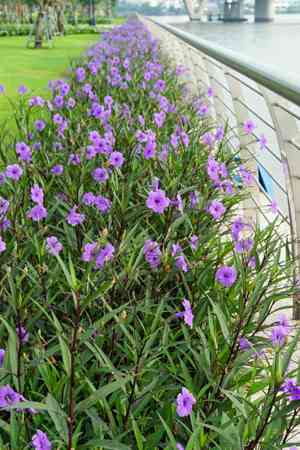
1
Mexican petunias flourish optimally in somewhat acidic soil, with a pH range of 5.5 to 6.5.
2
Routine soil analysis aids in detecting nutrient shortages and soil issues promptly.
3
Incorporating organic materials like compost greatly enhances soil structure and water flow for Mexican petunias.
Optimal Soil for Mexican Petunia
Ideal Soil Composition for Mexican Petunia
Mexican petunias thrive in soil that drains well but still holds enough moisture to keep roots hydrated. A blend of garden soil, compost, and perlite creates an excellent growing medium. Garden soil supplies vital nutrients, while compost boosts organic content, improving soil structure and fertility. Perlite ensures proper air circulation and drainage, preventing waterlogging, which often causes root rot.
Recommended Soil pH for Mexican Petunia
Mexican petunias prefer slightly acidic soil, with a pH between 5.5 and 6.5. This range enables efficient nutrient absorption by the plants. Regular soil pH testing is crucial, as pH levels outside this range can hinder nutrient uptake and impede plant growth. If the pH is off, soil amendments may be necessary to correct it.
How to Test and Adjust Soil for Mexican Petunia
Soil Testing Methods
Testing your soil is the initial step to creating an optimal growing environment for Mexican petunias. You can use a simple home soil test kit, available at most garden centers, or submit a sample to a professional soil testing lab. Both options provide insights into the soil's pH, nutrient levels, and other key metrics. Follow the kit or lab's specific instructions for accurate results.
Amending Soil pH
If your soil test indicates a pH outside the ideal 5.5 to 6.5 range, you'll need to adjust it. To lower pH in overly alkaline soil, add sulfur or peat moss. Conversely, to raise pH in overly acidic soil, incorporating lime is a common method. Adhere to recommended guidelines for application amounts and techniques to avoid stressing your Mexican petunias.
Improving Soil Texture
Mexican petunias flourish in soil with good texture and structure. To enhance soil texture, especially for heavy clay or sandy soils, adding organic matter like compost or peat moss can be very effective. Organic material improves soil aeration and water retention while delivering essential nutrients. Another option is to mix in materials such as coarse sand or perlite to boost drainage and prevent soil compaction.
Impact of Soil Moisture on Mexican Petunia
Maintaining Optimal Moisture Levels
Soil moisture is vital for healthy Mexican petunias. These plants prefer consistently moist soil but can endure brief dry spells once established. The key is to maintain steady moisture without waterlogging. Water your Mexican petunias deeply and less often, rather than light, frequent watering. Applying a 2-3 inch (5-7 cm) layer of mulch helps retain soil moisture and reduces watering frequency.
Irrigation Tips for Mexican Petunia
Irrigation is crucial for maintaining proper soil moisture. Drip irrigation systems or soaker hoses efficiently deliver consistent moisture without wetting foliage, which can lead to fungal issues. Monitor soil moisture regularly with your finger or a moisture meter, and adjust your watering schedule based on weather and plant needs. Avoid overwatering, which can cause root rot and other water-related problems.
Common Soil Issues for Mexican Petunia and Solutions
Compacted Soil
Compacted soil can restrict root growth and hinder water and nutrient uptake for Mexican petunias. To relieve compaction, aerate the soil using a garden fork or aerator tool. Incorporating organic matter like compost can also help loosen the soil. For severe compaction, consider planting your Mexican petunias in raised beds or containers where you can better manage soil conditions.
Nutrient Deficiencies
Nutrient deficiencies can appear as pale leaves, stunted growth, or reduced flowering in Mexican petunias. A soil test can pinpoint specific nutrient shortages. Based on the results, you can amend the soil with balanced fertilizers or particular nutrients (e.g., nitrogen, phosphorus, potassium) to correct the issues. Regularly adding organic matter such as compost to the soil also provides a steady nutrient supply.
Poor Drainage
Poor drainage is a common problem that can lead to waterlogged soil and root rot in Mexican petunias. Ensuring your planting site or container has good drainage is essential. If your soil retains too much water, consider amending it with sand, perlite, or gravel to improve drainage. Raised beds can also offer better drainage for garden plantings. Regularly check soil moisture and adjust watering practices to prevent excessive water accumulation.



