Optimal Soil for Growing Cutleaf coneflower: What You Need to Know
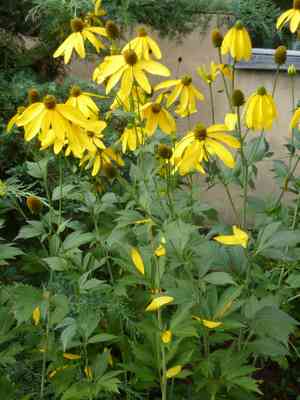
1
Cutleaf coneflowers flourish in well-draining, loamy soil abundant in organic material.
2
Maintain a soil pH level between 6.5 and 8 for best development.
3
Frequent soil analysis assists in preserving ideal soil environments for Cutleaf coneflowers.
Optimal Soil Type for Cutleaf Coneflower
Preferred Soil Composition
The Cutleaf coneflower, a robust and attractive perennial, thrives best in a particular soil type to achieve its full potential. Loamy soil, a balanced blend of sand, silt, and clay, offers the ideal structure. This soil type ensures efficient water drainage, adequate air circulation, and a good nutrient balance. It's vital for the soil to be rich in organic material, which can be achieved by mixing in compost or aged manure. This organic matter not only enriches the soil with vital nutrients but also enhances its structure and water-holding capacity.
Natural Habitat and Soil
The native environment of the Cutleaf coneflower provides insights into its soil preferences. These plants are typically found in moist, fertile areas like meadows and along riverbanks. The soil in these locations is often loamy and rich in organic matter, with a pH ranging from slightly acidic to neutral. By replicating these natural conditions in your garden, you can create the best possible environment for Cutleaf coneflowers to flourish.
Amending Soil for Cutleaf Coneflower
Improving Soil Fertility
Enhancing your soil's fertility is crucial for cultivating healthy Cutleaf coneflowers. Begin by incorporating well-decomposed compost or manure into your garden soil to boost nutrient levels and improve its structure. You might also consider using a balanced slow-release fertilizer during the active growth period. This will ensure a consistent supply of nutrients over time, promoting vigorous growth and abundant flowering.
Adjusting Soil pH
Soil pH significantly impacts the health of Cutleaf coneflowers. An ideal pH range for these plants is between 6.5 and 8. To modify your soil's pH, you can use amendments such as lime to increase pH or sulfur to decrease it. It's essential to test your soil's pH before planting and periodically throughout the growing season. Readily available home testing kits are simple to use and provide the information needed for appropriate adjustments.
Enhancing Soil Drainage
While Cutleaf coneflowers prefer moist soil, proper drainage is critical to prevent waterlogging, which can lead to root rot. To improve soil drainage, you can mix coarse sand or fine gravel into the soil. Raised beds are another excellent option for areas with heavy clay soil or poor natural drainage, as they allow for better control over soil composition and water management.
Key Soil Characteristics for Healthy Cutleaf Coneflower
Soil Texture
The texture of your soil can greatly influence the growth and health of Cutleaf coneflowers. As previously mentioned, loamy soil with a good blend of sand, silt, and clay is optimal. This texture allows for adequate water retention and drainage while supporting healthy root development. You can improve soil texture by adding organic matter like compost or by applying mulch, which also helps prevent soil erosion and retains moisture.
Soil Moisture Retention
Cutleaf coneflowers prefer consistently moist soil but can endure brief dry spells. To maintain optimal moisture levels, water your plants regularly, especially during arid periods. Mulching around your plants helps retain soil moisture by reducing evaporation and regulating soil temperature. Organic mulch, such as straw or shredded leaves, also decomposes over time, adding nutrients to the soil.
Nutrient Content
The nutrient content of your soil is vital for the growth of healthy Cutleaf coneflowers. These plants benefit from soil rich in essential nutrients like nitrogen, phosphorus, and potassium. You can enhance nutrient content through the use of compost, organic fertilizers, or well-rotted manure. Regularly test your soil to monitor nutrient levels and adjust your fertilization strategy as needed to ensure your plants receive a balanced diet.
Maintaining Soil Quality Over Time
Regular Soil Testing
Consistent soil testing is crucial for maintaining ideal soil conditions for Cutleaf coneflowers. By testing your soil at least once a year, you can monitor pH levels and nutrient content, making necessary adjustments to keep your soil in optimal condition. This proactive approach helps prevent potential issues and ensures your plants have what they need to thrive.
Seasonal Soil Care
Caring for your soil throughout the seasons is essential for long-term plant health. In the spring, prepare your soil by adding compost and other organic matter to boost fertility. During the growing season, regularly check soil moisture and add mulch to conserve water. In the fall, consider planting cover crops like clover or rye to prevent soil erosion and improve soil structure over the winter months.
Using Mulch and Compost
Mulch and compost play vital roles in maintaining soil health. Mulch helps retain moisture, suppress weeds, and regulate soil temperature, while compost adds valuable nutrients and improves soil structure. Apply a layer of organic mulch around your Cutleaf coneflowers and regularly incorporate compost into the soil to promote a thriving garden environment.
Common Soil Problems and Solutions for Cutleaf Coneflower
Clay Soil Issues
Clay soil can present challenges for Cutleaf coneflower growth due to its dense, compact nature, which impedes drainage and root development. To address this, amend clay soil with organic matter such as compost or aged manure to improve aeration and water permeability. Raised beds can also be a viable solution, allowing better control over soil composition and drainage.
Sandy Soil Concerns
Sandy soil, characterized by its rapid drainage and low nutrient content, can be problematic for Cutleaf coneflowers. To improve sandy soil, add organic matter like compost or peat moss, which helps retain moisture and enrich the nutrient profile. Regular watering and mulching can also assist in maintaining consistent moisture levels, promoting healthier plant growth.
Dealing with Poor Nutrient Levels
Insufficient nutrient levels can hinder the growth and diminish the blooms of Cutleaf coneflowers. Regularly adding organic matter like compost or well-rotted manure to your soil can address nutrient deficiencies. Additionally, consider using a balanced, slow-release fertilizer to provide a steady supply of essential nutrients throughout the growing season. Periodic soil testing will help you identify any specific nutrient deficiencies and tailor your fertilization strategy accordingly.



