Optimal Soil for Growing Black-eyed susan: What You Need to Know
1
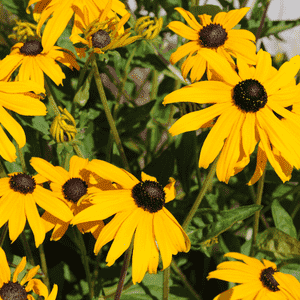
Rudbeckia hirta flourishes in soil that drains effectively, ideally with a pH between 6.5 and 7.5.
2
Adding organic materials such as compost can greatly enhance the soil's composition and water permeability.
3
Applying mulch assists in preserving ground moisture and inhibiting weed proliferation, fostering more robust plant development.
What Soil Type is Best for Black-eyed susan?
Loamy Soil
Loamy soil is considered the perfect substrate for cultivating Black-eyed susan. This soil type features a balanced blend of sand, silt, and clay, making it rich in nutrients and well-draining. The varied particle sizes in loam facilitate adequate air circulation around roots, preventing waterlogging and supplying vital nutrients. Its texture also helps anchor roots firmly, ensuring plants grow upright and robust.
Sandy Soil
Sandy soil can also support Black-eyed susan growth, though it poses specific difficulties. This soil type is known for its large particles, leading to rapid drainage and poor nutrient retention. To cultivate Black-eyed susan in sandy soil, it's advisable to enrich it with organic matter like compost or aged manure. These additions will improve water and nutrient holding capacity, creating a more stable environment for the plants.
Clay Soil
Clay soil may appear unsuitable for Black-eyed susan, but with appropriate modifications, it can become favorable. Clay soil has very fine particles, meaning it holds water but might drain inadequately. This can cause root rot if not properly managed. Improving clay soil involves incorporating coarse organic matter, such as bark or compost, to break up the dense structure and enhance drainage. Raised beds can also be an effective solution for growing Black-eyed susan in gardens with heavy clay.
Ideal pH Levels for Black-eyed susan
Optimal pH Range
The best pH range for Black-eyed susan is between 6.5 and 7.5. This slightly acidic to neutral pH ensures that essential nutrients are accessible to the plants. If the pH level deviates too much from this range, the plants might experience nutrient deficiencies or toxicities, impeding their growth and vitality.
Testing Soil pH
Checking soil pH is vital for maintaining the best growing conditions for Black-eyed susan. You can use a soil pH test kit from garden stores or send a soil sample to a local agricultural extension. Regular testing, every few years, helps you make necessary adjustments by adding lime to increase pH or sulfur to decrease it, ensuring the soil remains within the optimal range.



