Optimal Soil for Growing Great laurel: What You Need to Know
1
Great laurel flourishes in soil with a pH range of 5.5 to 6.5.
2
Improve drainage by incorporating organic materials like compost into your soil.
3
A well-balanced fertilizer can enhance nutrient content and encourage robust development in Great laurel.
What Soil Type Does Great laurel Prefer?
Soil Composition
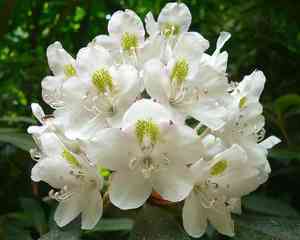
The Great laurel, renowned for its striking blossoms and robust nature, flourishes best in soil that drains well and is rich in organic material. Optimal soil makeup for Great laurel includes elements such as compost, peat moss, and leaf mold, which supply vital nutrients while enhancing the soil's structure and capacity to hold water. Steer clear of heavy clay soils, as they tend to retain excessive moisture, leading to root decay.
pH Levels
Maintaining the correct soil pH is vital for the Great laurel's optimal health. This plant favors slightly acidic soil, with a pH between 5.5 and 6.5. You can easily check your soil's pH using a home testing kit or by sending a sample to a local agricultural extension service. If the pH is too high or too low, it can impact the plant's nutrient absorption, resulting in deficiencies and poor development.
How to Ensure Proper Drainage for Great laurel
Importance of Drainage
Adequate drainage is crucial for Great laurel as it prevents waterlogged soil, which can lead to root rot and other fungal diseases. Standing water in the soil not only deprives roots of oxygen but also creates an ideal environment for harmful pathogens. Ensuring good drainage helps maintain healthy roots and provides oxygen, both essential for the plant's overall vitality.
Techniques to Improve Drainage
To enhance drainage in your garden, consider incorporating organic matter like compost, which not only enriches the soil but also improves its structure. Another effective method is to plant your Great laurel on a slight mound to facilitate better water runoff. Adding materials such as coarse sand or fine gravel to the planting hole can also boost soil aeration and drainage. For container planting, always ensure there are sufficient drainage holes at the bottom.
Nutrient Requirements for Great laurel Soil
Primary Nutrients Needed
Great laurel has specific nutrient demands to ensure lush foliage and vibrant blooms. The main nutrients required include nitrogen (N), phosphorus (P), and potassium (K). Nitrogen is crucial for leaf development, phosphorus supports root growth and flowering, while potassium boosts overall plant health and disease resistance. Micronutrients like iron, magnesium, and calcium also play significant roles, though needed in smaller amounts.
How to Fertilize Properly
To correctly fertilize your Great laurel, use a balanced, slow-release fertilizer with an N-P-K ratio suitable for acid-loving plants. Early spring is the ideal time to apply fertilizer, providing the plant with the necessary nutrients for the growing season. Avoid over-fertilizing, as this can cause nutrient imbalances and harm the plant. Additionally, organic options such as compost or well-rotted manure can serve as excellent natural fertilizers, enriching the soil while supplying essential nutrients.
How to Test and Adjust Soil pH for Great laurel
Testing Soil pH
Regularly testing your soil's pH is vital for maintaining the perfect growing environment for Great laurel. You can use a home soil testing kit or a digital pH meter for precise readings. Collect soil samples from several locations around your planting area to gain a comprehensive understanding of the soil condition. Mix these samples and follow the test kit instructions carefully for the most accurate results.
Adjusting Soil pH
If your soil's pH does not fall within the 5.5 to 6.5 range, you will need to make adjustments. To lower the soil pH, incorporate acidic materials like sulfur or peat moss. For increasing the pH, lime is commonly used. Always adjust the pH gradually and retest periodically to avoid over-correction. Amending the soil with organic matter can also naturally balance the pH over time, providing a more stable environment for your Great laurel.
Common Soil Problems and Solutions for Great laurel
Identifying Common Issues
Frequent soil issues for Great laurel include inadequate drainage, nutrient deficiencies, and incorrect pH levels. Symptoms of these problems can range from yellowing leaves (chlorosis) due to iron deficiency to stunted growth from compacted or waterlogged soil. Consistent monitoring and soil testing are key to detecting these issues early and implementing corrective actions.
Solutions and Remedies
To resolve poor drainage, improve soil structure by adding organic matter and ensure proper site selection. For nutrient deficiencies, a balanced fertilizer or specific nutrient amendment can correct imbalances. Adjusting soil pH may require the use of lime or sulfur, depending on the need. Keeping a close watch on your Great laurel and maintaining a healthy growing environment through regular care will help prevent and fix common soil problems.



