Optimal Soil for Growing Mistletoe cactus: What You Need to Know
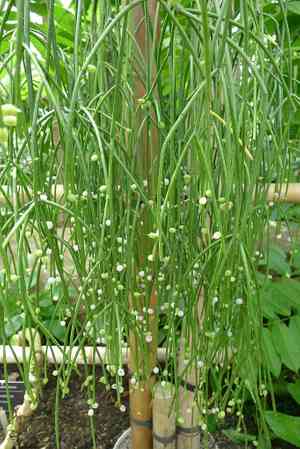
1
Mistletoe cactus thrives in soil with a pH level from mildly acidic to neutral, ideally between 6.0 and 7.5.
2
Pre-treating the soil prior to planting can aid in avoiding initial pest and disease problems.
3
Periodically replace the growing medium or transfer your Mistletoe cactus to a new pot to maintain its health and vigor.
Optimal Soil Type for Mistletoe Cactus
Ideal Soil Composition
Mistletoe cactus flourishes in soil conditions that offer superb drainage and aeration. Unlike typical cacti that prefer dry climates, Mistletoe cactus mimics epiphytic growth, usually found in rainforests clinging to trees. Therefore, a soil blend that replicates these conditions is advantageous. A mixture of peat moss, orchid bark, and perlite in equal proportions often works well, providing the correct balance of moisture retention and drainage.
Nutrient Requirements
Soil rich in nutrients is crucial for the vigorous development of Mistletoe cactus. Organic matter such as compost or well-decomposed leaf mold can be mixed into the soil to boost its nutritional content. Applying a balanced fertilizer, like a 10-10-10 (NPK) formula, every four to six weeks during the active growth period can further encourage healthy development. However, it's vital to avoid excessive fertilization, which can cause nutrient burn.
Soil pH Preferences
The Mistletoe cactus favors a soil pH range of 6 to 7.5. This slightly acidic to neutral pH level helps ensure optimal nutrient availability. pH testing kits are widely available and easy to use, allowing you to monitor and adjust soil conditions as needed. If the soil is too alkaline, you can lower the pH by adding sulfur or peat moss. Conversely, if itâs too acidic, using dolomitic lime can raise the pH to the desired range.
Preparing Soil for Mistletoe Cactus Planting
Choosing the Right Soil Mix
Selecting the appropriate soil blend is essential for the successful cultivation of your Mistletoe cactus. Commercial orchid mixes or cactus soils can serve as a good foundation. However, to replicate its natural environment, customizing your mix by combining equal parts of the following can be beneficial: Peat moss for moisture retention Orchid bark for aeration Perlite for excellent drainage
Amending the Soil
Amending the soil is necessary when it lacks sufficient nutrients or proper drainage. Adding organic compost can significantly improve nutrient content, while incorporating perlite or sand can enhance soil structure and drainage. Before planting your Mistletoe cactus, thoroughly blend the soil to ensure even distribution of amendments.
Sterilizing the Soil
Soil sterilization can prevent the spread of pests and diseases. You can easily sterilize soil at home by baking it in an oven at 180°F (82°C) for about 30 minutes or until the internal temperature reaches 160°F (71°C). Another method involves microwaving small batches of soil for 90 seconds. This simple step can establish a healthy foundation and significantly reduce the risk of complications later on.
Maintaining Soil Health for Mistletoe Cactus
Ensuring Proper Drainage
Adequate drainage is fundamental to preserving soil health for Mistletoe cactus. Excessively wet soil can lead to root rot, a common problem with incorrect watering practices. To improve drainage, ensure your pots have sufficient holes at the bottom. Consider placing a layer of gravel or coarse sand at the base of the pot before adding soil. This setup helps prevent water from accumulating, allowing surplus moisture to escape easily.
Regular Soil Testing
Routine soil testing is a proactive approach to monitor and maintain ideal growing conditions. Besides checking pH levels, it's beneficial to test for essential nutrients like nitrogen (N), phosphorus (P), and potassium (K). Home test kits are user-friendly and can provide a quick overview of your soil's health. Promptly addressing deficiencies with suitable amendments can keep your Mistletoe cactus thriving.
Re-potting and Soil Refreshing
Re-potting or refreshing the soil is crucial for the long-term vitality of your Mistletoe cactus. Over time, soil can become compressed and depleted of nutrients. Re-potting every two years or refreshing the top layer of soil annually can help alleviate this. When re-potting, gently loosen the root ball and trim any dead or decayed roots before placing the cactus in its new soil mix.
Common Soil Issues and Solutions
Compaction Problems
Soil compaction can hinder root growth and water absorption. To alleviate compaction, regularly aerate the soil by gently poking it with a stick or using a small hand rake. Incorporating coarse materials like perlite or horticultural grit can also help maintain soil structure and prevent compaction.
Soil-Borne Pests and Diseases
Pests and diseases are frequent challenges. To prevent them, consider using sterilized soil and avoid over-watering, which can attract pests like fungus gnats and encourage fungal diseases. If you notice signs of infestation or disease, remove affected parts of the plant and consider using organic pesticides or fungicides.
Nutrient Deficiencies
Nutrient deficiencies can manifest through various symptoms like yellowing leaves or stunted growth. Conduct a soil test to identify the specific nutrients that are lacking. Supplement the soil with the necessary fertilizers or organic amendments to address these deficiencies and restore plant vitality.
Can Mistletoe Cactus Grow in Standard Potting Soil?
Adapting Regular Potting Soil
While Mistletoe cactus can grow in standard potting soil, it often requires modifications to flourish. Typical potting soil may retain too much moisture, making it necessary to adjust it by adding perlite, orchid bark, or sand. These additions improve drainage and mimic the plantâs natural epiphytic environment.
Considerations for Indoor Planting
When cultivating Mistletoe cactus indoors, humidity and light become critical factors. Ensure the plant receives indirect light and maintain a humid environment, similar to its natural rainforest habitat. You can achieve this by placing a humidifier nearby or grouping it with other plants to create a more humid microclimate.



