Optimal Soil for Growing Water oak: What You Need to Know
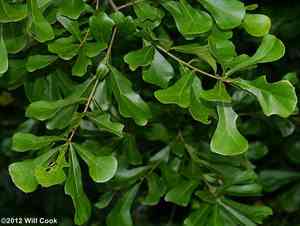
1
Water oak thrives in various soil types, making it adaptable to diverse environments.
2
An ideal soil pH of 6.5 to 8 is essential for healthy Water oak development.
3
Frequent soil analysis aids in promptly identifying and resolving any soil problems.
What are the Soil Requirements for Water oak?
Soil Texture Preferences
The Water oak flourishes best in well-draining soils rich in organic material. Optimal soil types for Water oaks include loamy and sandy compositions. These soil varieties offer a good balance of drainage and moisture retention, both crucial for robust root development. While the Water oak is quite adaptable and can also tolerate clay soils, it's important to ensure these denser soils are adequately aerated to prevent waterlogging.
Soil pH Levels
Soil pH significantly influences the health and development of Water oak trees. These trees prefer a soil pH between 6.5 and 8, ranging from slightly acidic to mildly alkaline. Maintaining this pH level is essential as it impacts the tree's capacity to absorb vital nutrients. Regular soil pH testing ensures it remains within this ideal range.
Nutrient Content
Water oaks need nutrient-rich soil to thrive. This means the soil should contain sufficient levels of nitrogen, phosphorus, and potassium. These nutrients support various growth aspects, such as leaf formation, root vitality, and overall vigor. Incorporating organic compost or well-decomposed manure into the soil can boost its nutrient content and improve your Water oak's health.
How to Test and Amend Soil for Water oak
Soil Testing Methods
Consistent soil testing is a proactive measure to ensure your Water oak's optimal growth. You can test your soil using home kits from garden centers or by submitting samples to a local agricultural extension service. These tests typically assess pH levels, nutrient content, and soil composition, providing a comprehensive overview of your soil's condition.
Correcting pH Levels
If your soil test indicates a pH outside the ideal 6.5 to 8 range, you can take steps to adjust it. For acidic soil (below 6.5), adding lime can help increase the pH. Conversely, if the soil is too alkaline (above 8), incorporating sulfur or organic matter like pine needles can help lower the pH. Make gradual adjustments and retest the soil to monitor changes.
Improving Soil Nutrients
To enhance your soil's nutrient content, consider adding organic compost or well-rotted manure. These organic materials not only boost nutrient levels but also improve soil structure and moisture retention. Additionally, slow-release fertilizers can provide a sustained nutrient supply throughout the growing season.
Common Soil Issues and Solutions for Water oak
Dealing with Poor Drainage
Inadequate drainage can lead to waterlogged soil, which is harmful to Water oak trees. To alleviate this, consider mixing organic matter like compost into the soil to improve its structure. Creating raised beds or planting on a gentle slope can also enhance drainage and prevent water accumulation around the roots.
Managing Soil Compaction
Soil compaction hinders root growth by reducing soil aeration and water penetration. To ease compaction, regularly aerate the soil around your Water oak using garden forks or mechanical aerators. Adding organic mulches can also help maintain soil structure and prevent compaction.
Preventing Nutrient Deficiencies
Nutrient deficiencies can be identified by symptoms such as yellowing leaves or stunted growth. Combat these deficiencies by applying balanced fertilizers or specific nutrients as indicated by your soil tests. Regularly adding organic compost can also prevent nutrient depletion over time.
Maintaining Optimal Soil Conditions for Water oak
Regular Soil Monitoring
Consistent oversight of your soil's condition is crucial for the long-term health of your Water oak. Regular soil tests and visual inspections can help you identify problems early, allowing for prompt corrective actions. Aim to test your soil at least once a year or more frequently if you observe growth issues.
Seasonal Soil Care
Different seasons present various challenges for soil care. In spring, prepare your soil by adding compost and ensuring proper drainage. During summer, maintain moisture levels with mulching and watering. In fall, focus on adding organic matter to replenish nutrients and improve soil structure for the next growing season.
Using Mulch Wisely
Mulching is an excellent method to maintain soil moisture, suppress weeds, and enhance soil structure. Use organic mulches like wood chips or shredded leaves and apply a layer around the base of your Water oak. Avoid piling mulch against the tree trunk, which can lead to rot. Aim for a mulch layer about 5-10 centimeters (2-4 inches) thick.



