Optimal Soil for Growing Southern red oak: What You Need to Know
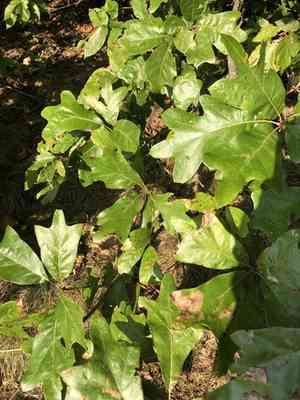
1
Southern red oak trees flourish optimally in soil exhibiting a pH range of 6.5 to 8.
2
Periodically checking your soil's pH provides insight into its condition and guides required adjustments.
3
Properly draining soil averts root decay and other typical soil-borne problems for Southern red oaks.
Optimal Soil Types for Southern Red Oak
Preferred Soil Composition
Southern red oaks thrive in sandy loam or loamy soil. These soil types offer an excellent balance of sand, silt, and clay, ensuring both good drainage and nutrient retention. Sandy loam is particularly beneficial as it permits water to pass through while keeping vital nutrients accessible to roots. Avoid dense clay or pure sand, which can lead to waterlogging or insufficient nutrient supply, respectively.
Ideal Soil pH Levels
The best soil pH for Southern red oaks ranges from 6.5 to 8. This slightly acidic to mildly alkaline range supports crucial biochemical processes in the soil, enhancing nutrient availability. You can easily check your soil's pH using a home kit or a professional service. Correct pH levels are vital for promoting robust root development and efficient nutrient absorption, ensuring your tree flourishes.
Drainage Requirements
Effective soil drainage is essential for the well-being of Southern red oaks. These trees cannot endure standing water, which often results in root rot. Well-drained soil allows excess moisture to escape, preventing waterlogging. To enhance drainage, consider incorporating organic materials like compost or utilizing raised beds. Adequate drainage not only helps maintain soil structure but also wards off various plant diseases.
How to Assess and Improve Soil for Southern Red Oak
Testing Soil pH
To determine your soil's pH, use a simple test kit available at garden centers. Collect soil samples from the tree's root zone, combine them, and follow the kit's instructions. Regular testing, ideally annually, provides insights into your soil's health and indicates if amendments are necessary.
Amending Acidic Soil
If your soil pH is below 6.5, it's too acidic for Southern red oaks. To increase the pH, you can add agricultural lime (calcium carbonate). The required amount depends on the current pH and soil type. Thoroughly mix the lime into the top 15-20 cm (6-8 inches) of soil for even distribution.
Amending Alkaline Soil
For soil with a pH exceeding 8, you'll need to lower it to suit Southern red oaks. Incorporating elemental sulfur or aluminum sulfate can help achieve this. For optimal results, adhere to the application rates on the product label and re-test the soil pH after a few months to monitor progress.
Improving Soil Drainage
Soil drainage can be enhanced by adding organic matter, such as compost or well-rotted manure. This organic material boosts soil porosity and helps break down heavy clay soils. Constructing raised beds is another effective method, keeping root zones above poorly drained areas and promoting better overall drainage.
Nutrient Management for Southern Red Oak
Essential Nutrients
Southern red oaks require a balanced blend of vital nutrients, including nitrogen (N), phosphorus (P), and potassium (K), along with secondary nutrients like calcium (Ca), magnesium (Mg), and sulfur (S). Micronutrients such as iron (Fe), manganese (Mn), and zinc (Zn) are also crucial for optimal development.
Fertilization Tips
Apply a balanced, slow-release fertilizer in early spring and again in late fall. A 10-10-10 NPK ratio is generally recommended. Ensure even distribution around the root zone and avoid applying fertilizer too close to the trunk. Water the area thoroughly after application to help nutrients reach the root system.
Recognizing Nutrient Deficiencies
Yellowing foliage, stunted growth, and poor fruit or nut production signal nutrient deficiencies. If these symptoms appear, conduct a soil test to pinpoint missing nutrients. Applying targeted fertilizers can help correct specific deficiencies and foster healthier growth.
Common Soil Issues for Southern Red Oak and Solutions
Addressing Compacted Soil
Compacted soil hinders root growth and water penetration. To alleviate compaction, aerate the soil around your Southern red oak using a garden fork or an aerator tool. This process breaks up dense areas, allowing air and water to reach the roots more effectively.
Preventing Soil Erosion
Soil erosion can deplete valuable topsoil and nutrients. Planting ground cover or applying mulch around the tree's base can help reduce erosion. You can also install barriers or terraces on slopes to minimize soil loss during heavy rainfall.
Managing Poor Drainage Areas
For areas with persistent poor drainage, creating a rain garden or installing a French drain can be effective solutions. A rain garden captures and diverts water away from the tree, while a French drain uses a perforated pipe buried in a gravel-filled trench to move water away from soggy areas.
Seasonal Soil Care for Southern Red Oak
Soil Maintenance in Spring
Spring is the ideal time for soil testing and applying fertilizers and soil amendments. Amending the soil now prepares it for the upcoming growing season. Ensure your tree receives adequate water as it emerges from dormancy and begins new growth.
Soil Care During Summer
During hot summer months, maintaining soil moisture is crucial. Apply a layer of mulch around the tree's base to retain moisture and regulate soil temperature. Water deeply but less frequently to encourage deep root growth, preventing drought stress.
Preparing Soil for Winter
As winter approaches, focus on strengthening your tree for the cold months ahead. Apply organic matter to improve soil structure and add a protective layer of mulch to insulate the root zone. Avoid heavy fertilization, as this can stimulate late growth that may not harden off before frost.



