Optimal Soil for Growing Swamp white oak: What You Need to Know
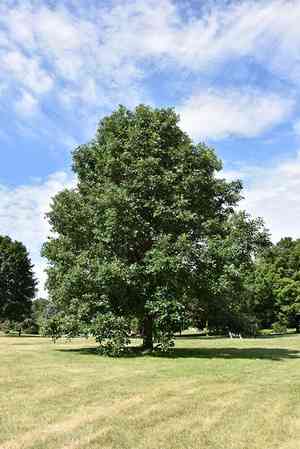
1
Swamp white oak prefers a soil pH range of 6.5 to 8 for efficient nutrient uptake.
2
This tree flourishes in adequately drained ground, yet it can withstand occasional inundation.
3
Optimal growth for Swamp white oak occurs in loamy soils, enhanced with organic materials like compost.
Optimal Soil Type for Swamp White Oak
Loamy Soil
Loamy soil is considered perfect for Swamp white oak because it holds moisture well while still draining effectively. This soil type is a balanced mix of sand, silt, and clay, creating an ideal environment for root development. The air pockets in loamy soil allow roots easy access to oxygen, preventing issues like root rot. Furthermore, loamy soil is nutrient-rich, fostering strong growth and vibrant foliage.
Clay Soil
Clay soil, though often challenging, can still support Swamp white oak if managed correctly. Its high water retention can be both an advantage and a disadvantage. To make clay soil more suitable, it's vital to enhance its structure by adding organic materials such as compost or aged manure. This not only improves drainage but also prevents excessive compaction. Regular amendment of clay soil will ensure roots receive sufficient oxygen and nutrients for the tree to thrive.
Sandy Soil
Sandy soil, known for its excellent drainage, presents a unique problem as it can dry out too quickly, depriving Swamp white oak of essential moisture. To make sandy soil more favorable for this tree, it's crucial to incorporate organic matter. This boosts the soil's capacity to retain moisture and supply vital nutrients. Applying mulch around the tree can also help keep the soil moist and cool, thereby creating a more stable environment for the Swamp white oak to flourish.
Ensuring Proper Soil Drainage for Swamp White Oak
Identifying Soil Drainage Issues
Adequate soil drainage is vital for the health of your Swamp white oak. Indicators of poor drainage include water accumulating around the tree's roots, a musty smell suggesting root rot, or yellowing leaves. Perform a simple test by digging a hole approximately 30 cm (12 inches) deep. If water remains in the hole for over 24 hours, you likely have a drainage problem that needs attention.
Improving Soil Drainage
Enhancing soil drainage involves several practical steps. Start by mixing organic matter, such as compost or peat moss, into the soil to improve its structure. Constructing raised beds can also be beneficial, especially in areas prone to waterlogging. Additionally, aerating the soil with a garden fork or tiller can prevent compaction, thus facilitating better water movement and root aeration. Planting the tree on a slight incline can also naturally improve drainage.
Optimal Soil pH Level for Swamp White Oak
Testing Soil pH
Understanding the soil's pH is crucial for maintaining a healthy Swamp white oak. The ideal pH range for this tree is between 6.5 and 8. You can test your soil's pH using a home kit or by sending a sample to a local agricultural extension office. Conduct regular tests, especially if you observe changes in the tree's growth or health.
Adjusting Soil pH
Adjusting the soil pH for Swamp white oak involves different methods depending on whether you need to raise or lower it. To increase pH, incorporate lime into the soil. Conversely, to decrease pH, adding sulfur or peat moss can be effective. Always follow the manufacturer's guidelines for application rates and mix thoroughly into the top 15 cm (6 inches) of soil. Frequent re-testing is necessary to maintain the desired pH level.
Nutrient Requirements in Soil for Swamp White Oak
Essential Nutrients
Swamp white oak needs a balanced blend of vital nutrients for optimal growth, including nitrogen, phosphorus, and potassium (N-P-K). Nitrogen promotes healthy leaf development, while phosphorus supports root growth, and potassium aids in overall plant health and disease resistance. Micronutrients like iron, manganese, and zinc are equally important and can be supplied through balanced fertilizers or soil amendments.
Soil Amendments
Soil amendments are crucial for maintaining the nutrient levels required by Swamp white oak. Regularly adding compost or well-rotted manure can provide a consistent supply of organic nutrients. Inorganic amendments such as bone meal or rock phosphate can also be helpful. Ensure to test the soil periodically to monitor nutrient levels and avoid over-fertilizing, which can be detrimental.
Can Compost Benefit Swamp White Oak Soil?
Compost Types
Using compost can significantly improve the soil quality for Swamp white oak. There are various types of compost, such as green compost made from kitchen scraps and yard waste, and brown compost from straw, wood chips, or cardboard. Compost not only enriches the soil with essential nutrients but also enhances soil structure, aids in moisture retention, and supports beneficial microbial activity.
Application Methods
Applying compost to the Swamp white oak soil involves several key steps. Spread a 5-7 cm (2-3 inch) layer of compost around the tree's base, ensuring even distribution. Avoid piling compost directly against the tree trunk to prevent rot. Compost should be worked into the top layer of soil for maximum benefit. Applying compost in both spring and fall can help maintain soil fertility throughout the year.
Preventing Soil Compaction for Swamp White Oak
Signs of Soil Compaction
Soil compaction is harmful to Swamp white oak as it restricts root growth and reduces oxygen availability. Indicators of compacted soil include water runoff instead of absorption, poor plant growth, and a hard, crusty soil surface. Plants may also show wilting or yellowing due to limited root expansion and nutrient uptake.
Methods to Alleviate Compaction
Alleviating soil compaction involves practical steps like aerating the soil with a garden fork or aerator tool to allow better water and air penetration. Adding organic matter such as compost or mulch can improve soil structure and prevent future compaction. It's also advisable to avoid walking or placing heavy objects over the root zone to reduce pressure on the soil. Regularly cultivating the soil can keep it loose and aerated.



