Optimal Soil for Growing Common chokecherry: What You Need to Know
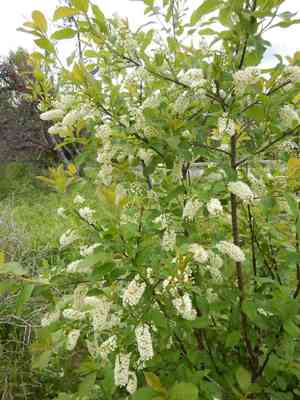
1
Chokecherry plants flourish in soil with a pH range of 6.5 to 8.0.
2
Adding organic material as mulch aids in moisture retention and enhances soil composition.
3
Periodic soil analysis helps determine required modifications for peak plant development.
What Soil Type Does Common chokecherry Prefer?
Loamy Soil Characteristics
Loamy soil is an optimal choice for Common chokecherry, offering a perfect blend of sand, silt, and clay. This composition ensures the soil drains well yet retains enough moisture to support the plant's development. Loamy soil is typically nutrient-rich and provides excellent aeration, vital for robust root growth. Furthermore, its neutral to slightly acidic pH (6.5 to 8.0) perfectly matches Common chokecherry's preference.
Sandy Soil Adaptability
Although loamy soil is ideal, Common chokecherry can also thrive in sandy soils. However, sandy soils tend to drain quickly, potentially causing drought stress if not managed. To enhance sandy soil's water retention, incorporate organic matter like compost or aged manure. This not only aids moisture retention but also supplies essential nutrients for the plant's growth and resilience.
Clay Soil and Drainage Solutions
Clay soil, known for its density, can present challenges due to poor drainage. For Common chokecherry to flourish in clay, addressing drainage issues is crucial. An effective method is to amend the soil with organic matter, which helps break up dense particles and improves aeration. Raised beds or sloped planting sites can also help divert excess water, preventing root rot and fostering healthier plant development.
How to Test and Improve Soil for Common chokecherry?
Soil pH Testing and Adjustment
Testing soil pH is vital for Common chokecherry, ensuring it falls within the optimal 6.5 to 8.0 range. You can easily test your soil with a pH kit from garden centers. If the pH is too low (acidic), adding lime can raise it. Conversely, if the pH is too high (alkaline), incorporating sulfur or organic matter like peat moss can lower it. Regular monitoring and adjustments ensure the soil remains suitable for Common chokecherry growth.
Organic Matter Addition
Adding organic matter significantly improves soil quality for Common chokecherry. Materials such as compost, leaf mold, and well-rotted manure enhance soil structure, boost nutrient content, and improve water retention. Organic matter also stimulates beneficial microbial activity, crucial for nutrient availability to the plant. Incorporating organic matter before planting and as an annual top-dressing can yield excellent results.
Nutrient Enrichment Techniques
To ensure Common chokecherry receives all necessary nutrients, consider using balanced fertilizers or organic alternatives like bone meal and fish emulsion. These enrich the soil with vital nutrients such as nitrogen, phosphorus, and potassium. It's advisable to conduct a soil test to determine existing nutrient levels and then customize your fertilization approach. Applying slow-release fertilizers can provide consistent nutrient availability throughout the growing season.
Common Soil Problems for Common chokecherry
Soil Compaction Issues
Soil compaction can severely impede Common chokecherry's growth by restricting root penetration and water infiltration. To prevent compaction, avoid walking on the soil around the root zone and use mulching or ground cover plants to protect the soil surface. If compaction is already present, consider aerating the soil with a garden fork or aerator to create air channels and improve root growth.
Nutrient Deficiencies
Nutrient deficiencies can manifest as stunted growth, yellowing leaves, or poor fruit production in Common chokecherry. Regular soil testing helps identify specific deficiencies. Based on results, you can amend the soil with targeted fertilizers or organic matter rich in the lacking nutrients. Monitoring the plant for deficiency signs and addressing them promptly ensures healthy growth and productive yields.
Waterlogging and Poor Drainage
Excess water can lead to root rot and other diseases in Common chokecherry. To prevent waterlogging, ensure proper drainage by amending the soil with organic matter or planting in raised beds. Avoid over-watering and ensure the planting site slopes slightly to facilitate water runoff. Effective water management is crucial for maintaining a healthy root system and preventing disease.
Mulching Techniques for Common chokecherry
Benefits of Organic Mulch
Using organic mulch around Common chokecherry offers numerous advantages, including moisture retention, temperature regulation, and weed suppression. Mulch like wood chips, straw, or shredded leaves improves soil structure as it decomposes, adding valuable organic matter and nutrients back into the soil. This creates a more favorable environment for the plant's growth.
Proper Mulch Application
Correct mulch application is essential for maximizing its benefits. Spread a 5-10 cm (2-4 inches) layer of mulch around the base of the Common chokecherry, ensuring it doesn't touch the trunk to prevent rot. Extend the mulch to the canopy's edge to cover the entire root zone. Replenish the mulch annually to maintain its effectiveness and continue reaping the benefits.
Avoiding Mulch-Related Issues
While mulching offers many advantages, it's important to avoid common mistakes. Over-mulching, or piling mulch too high, can suffocate roots and lead to moisture-related problems. Always spread mulch evenly and avoid creating 'mulch volcanoes' around the tree base. Also, be mindful of mulch that compacts easily, which could hinder water and air penetration, leading to root issues.



