Optimal Soil for Growing Chinese plum: What You Need to Know
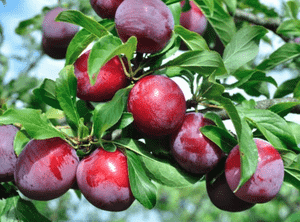
1
Chinese plum flourishes optimally in well-draining, loamy earth.
2
The ideal soil acidity for Chinese plum ranges from 6 to 7 pH.
3
Consistent soil analysis helps avoid nutrient deficiencies and pH problems in Chinese plum cultivation.
Understanding Soil Requirements for Chinese plum
Importance of Soil Quality
The caliber of soil significantly impacts the overall vitality of Chinese plum. Superior soil guarantees the plant receives vital nutrients, water, and air in correct proportions. Subpar soil conditions can result in stunted development, pest infestations, and illnesses. To achieve prime soil quality, selecting the appropriate soil type and making necessary improvements if the natural soil is inadequate is crucial.
pH Levels Suitable for Chinese plum
Chinese plum thrives in a slightly acidic to neutral pH range, typically between 6 and 7. Maintaining this pH level enhances nutrient accessibility and absorption, fostering a robust growth cycle. Soils that are too acidic or too alkaline can impede the plant's capacity to take up key nutrients, potentially leading to diminished fruit production and a weakened plant overall.
Components of Ideal Soil for Chinese plum
Organic Matter and Its Benefits
Organic materials such as compost or well-rotted manure are essential for enriching the soil where Chinese plum will be cultivated. They enhance soil structure, boost its water retention capabilities, and supply crucial nutrients. Incorporating organic matter also stimulates beneficial microbial activity, which is vital for nutrient cycling and plant well-being.
Role of Sand, Silt, and Clay
An optimal soil blend for Chinese plum comprises a balanced mixture of sand, silt, and clay, commonly referred to as loam. Sand ensures proper drainage and aeration, preventing waterlogging and root rot. Silt retains moisture and nutrients, making them available to the plant's roots. Clay offers stability and richness, though an excess can make the soil dense and difficult to work with. Achieving the correct balance creates an ideal environment for growth.
Drainage and Aeration Importance
Effective drainage is paramount for Chinese plum as it prevents water accumulation around the roots, thereby reducing the risk of root diseases. Aeration allows roots to readily access oxygen, which is crucial for respiration and overall health. Ensuring the soil is well-drained yet retains sufficient moisture is key for cultivating vigorous Chinese plum trees.
How to Prepare Soil for Planting Chinese plum
Testing Soil pH
Prior to planting Chinese plum, it is vital to assess the soil's pH. You can utilize a basic pH testing kit available at garden centers or submit a soil sample to a local agricultural extension office for a comprehensive analysis. Understanding your soil's pH enables you to make the necessary adjustments to create optimal growing conditions for your plant.
Amending Soil
If your soil's pH falls outside the ideal range of 6 to 7, you will need to modify it. Adding lime can help elevate the pH of acidic soils, while sulfur or organic mulches like pine needles can reduce the pH of alkaline soils. Furthermore, incorporating compost or aged manure can improve soil texture and fertility, making it more suitable for Chinese plum.
Enhancing Soil Fertility
The soil's fertility can be boosted by adding balanced fertilizers or organic amendments. Seek out fertilizers that supply nutrients such as nitrogen, phosphorus, and potassium in appropriate quantities. Natural options like compost tea or worm castings are excellent for increasing micronutrients and fostering a healthier soil ecosystem.
Maintaining Soil Health for Chinese plum
Regular Soil Testing and Monitoring
To ensure continuous soil health, consistent testing is essential. Having your soil tested annually or biennially helps identify nutrient deficiencies or pH imbalances early. Regular monitoring allows for timely adjustments, ensuring your Chinese plum continues to flourish year after year.
Organic Mulching Benefits
Applying organic mulch around the base of Chinese plum trees can provide numerous advantages. Mulch helps conserve soil moisture, suppress weeds, and gradually decomposes to enrich the soil with organic matter. Materials like wood chips, straw, or leaves can serve as effective mulch options, contributing to a healthier soil environment.
Dealing with Common Soil Issues
Problems such as compaction, inadequate drainage, and nutrient imbalances can frequently impact soil health. Address compaction by aerating the soil using a garden fork or aerator. Poor drainage can often be remedied by enhancing soil structure with organic matter or constructing raised beds. For nutrient imbalances, consult soil test results and amend with the necessary fertilizers or organic supplements.
Frequently Asked Questions About Chinese plum Soil Needs
Why is Soil pH Important for Chinese plum?
Soil pH is critical because it influences the availability of nutrients to the plant roots. A pH level that is either too high or too low can prevent essential nutrients from being absorbed, leading to deficiencies and poor plant health. For Chinese plum, maintaining a pH between 6 and 7 ensures that nutrients remain accessible and the plant can grow optimally.
How Often Should Soil be Amended?
Soil should ideally be amended before planting and then periodically throughout the year. Seasonal amendments, particularly in spring and fall, help maintain soil fertility and structure. Regular testing will indicate if additional amendments are necessary to correct pH or nutrient levels.
Can Chinese plum Grow in Poor Soil Conditions?
Chinese plum can survive in less-than-ideal soil conditions but will not thrive. Poor soil can result in stunted growth, low fruit yield, and increased susceptibility to pests and diseases. Improving soil conditions through amendments and proper care will ensure a healthy, productive plant.



