Optimal Soil for Growing Carolina cherry laurel: What You Need to Know
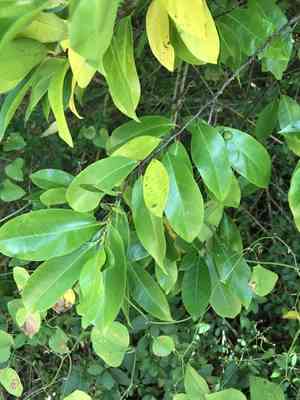
1
Carolina cherry laurels flourish optimally in soils ranging from mildly acidic to neutral, with a pH between 6.5 and 7.5.
2
Incorporating organic material can greatly enhance soil drainage, a crucial factor for the robust development of Carolina cherry laurels.
3
Loamy soil is regarded as the most suitable soil type for Carolina cherry laurels, offering an ideal blend of sand, silt, and clay.
What is the Optimal Soil pH for Carolina cherry laurel?
Ideal pH Range for Carolina cherry laurel
The Carolina cherry laurel thrives in a soil pH between 6.5 and 8, with 6.5 to 7.5 being most favorable. This slightly acidic to neutral pH allows the plant to efficiently absorb vital nutrients from the soil, promoting vigorous and healthy growth.
Modifying Soil pH
Adjusting the soil pH may be necessary if your soil falls outside the preferred range. For overly acidic soils, adding lime can increase the pH. Conversely, if the soil is too alkaline, incorporating sulfur or organic matter like composted manure can lower the pH. Regular soil testing helps monitor and maintain appropriate pH levels.
Which Soil Type is Best Suited for Carolina cherry laurel?
Loamy Soil
Loamy soil is perfect for Carolina cherry laurel. This soil type provides a balanced mix of sand, silt, and clay, ensuring excellent drainage, nutrient retention, and aeration. Loamy soil guarantees roots have ample access to water and nutrients without becoming waterlogged, fostering robust root development.
Sandy Soil
While Carolina cherry laurel can grow in sandy soil, it might need more frequent watering and fertilization. Sandy soil drains quickly, which can sometimes cause nutrient leaching. To improve sandy soil, mix in organic matter such as compost or peat moss, which boosts moisture and nutrient retention.
Clay Soil
Clay soil often has poor drainage, which can be problematic for Carolina cherry laurel, as water can accumulate around the roots and cause rot. If clay soil is your only option, amending it with organic matter like compost or aged manure is crucial. This enhances soil structure and drainage, making it more suitable for the plant.
How to Enhance Drainage for Carolina cherry laurel?
Adding Organic Matter
Improving soil drainage is vital for healthy Carolina cherry laurel growth. Incorporating organic matter such as compost, leaf mold, or well-rotted manure can improve soil texture and drainage. Organic matter helps break up compacted soil, allowing water to flow more freely while supplying essential nutrients.
Utilizing Raised Beds
Using raised beds is another effective method to improve drainage for Carolina cherry laurel. Raised beds elevate the plants above the natural soil level, promoting better water drainage and preventing waterlogging. This approach is especially useful in areas with heavy clay soil or poor drainage.
Moisture Needs for Carolina cherry laurel
Maintaining Consistent Moisture
Carolina cherry laurel requires steady moisture, particularly during its initial establishment phase. Regular watering ensures the soil remains uniformly moist. Applying mulch around the plant's base can help retain moisture, reduce water evaporation, and keep the roots cool.
Preventing Waterlogged Conditions
While Carolina cherry laurel enjoys consistent moisture, it's vital to avoid waterlogged conditions. Waterlogging can lead to root rot and other fungal diseases. Ensure the soil has good drainage and avoid overwatering, especially in cooler months when the plant's growth slows down.
Nutrient Requirements in Soil for Carolina cherry laurel
Essential Nutrients
The Carolina cherry laurel needs vital nutrients like nitrogen, phosphorus, and potassium to flourish. Nitrogen promotes leaf growth, phosphorus supports root development, and potassium boosts overall plant health and disease resistance. A balanced slow-release fertilizer can ensure these nutrients are available to your plant over time.
Fertilization Advice
Fertilizing your Carolina cherry laurel once or twice a year can support vigorous growth. Apply a balanced, slow-release fertilizer in the spring and potentially again in the fall. Avoid over-fertilization, as this can lead to excessive growth and make the plant vulnerable to pests and diseases. Always follow the manufacturerâs instructions for optimal results.



