Optimal Soil for Growing Chickasaw plum: What You Need to Know
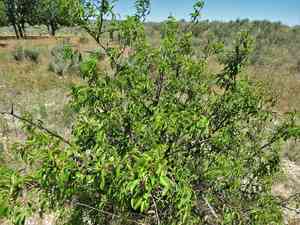
1
Chickasaw plum flourishes in sandy loam soil with good drainage.
2
Consistent soil pH checks confirm Chickasaw plum plants are within the optimal pH range of 6.5 to 7.5.
3
Incorporating organic material into the soil enhances its composition and nutrient content, aiding Chickasaw plum development.
Optimal Soil Type for Chickasaw Plum
Well-Drained Substrate
Planting your Chickasaw plum in soil that drains well is crucial for its vitality. Waterlogged conditions can lead to root rot and other fungal diseases, severely impacting the tree's development and fruit yield. Properly draining soil allows excess moisture to escape, maintaining healthy roots and preventing water-related problems.
Sandy Loam Composition
Chickasaw plum particularly thrives in sandy loam. This soil type combines the best attributes of sand, silt, and clay, offering a balanced mix of drainage and nutrient retention. Sandy loam provides good root aeration and helps prevent compaction, resulting in healthier, more robust plum trees.
Amending Soil for Chickasaw Plum
Adding Organic Material
Incorporating organic matter, such as compost or aged manure, into your garden soil can significantly boost its fertility and structure. This practice not only supplies vital nutrients for the plum tree but also enhances soil aeration and moisture retention.
Improving Drainage
If your soil tends to hold too much water, consider amending it to enhance drainage. Adding coarse sand or perlite can help create a more porous soil structure, allowing water to flow through more freely and preventing waterlogging around the roots of your Chickasaw plum.
Adjusting Soil pH
The ideal soil pH for Chickasaw plum ranges from 6.5 to 7.5. If your soil pH falls outside this range, you can modify it accordingly. For acidic soils, adding lime can increase the pH. For alkaline soils, incorporating sulfur or organic mulches like pine needles can help decrease the pH, achieving the optimal range for plum tree growth.
Ideal Soil pH for Chickasaw Plum
Neutral to Slightly Acidic
Chickasaw plum flourishes in soil with a pH range of 6.5 to 7.5. This neutral to slightly acidic environment ensures optimal nutrient availability and absorption by the tree. Regular monitoring and adjustment of soil pH can help maintain this balance, promoting healthy growth and abundant fruit production.
Testing Soil pH
To determine your soil's pH, use a soil test kit or seek assistance from a local extension office. Consistent testing will help you track pH changes over time and enable you to make necessary amendments to maintain the optimal range for Chickasaw plum.
Soil Testing Frequency
Consistent Monitoring
It's crucial to test your soil pH at least once annually, ideally before the growing season. Regular monitoring helps detect any changes that could impact your Chickasaw plum and allows you to address issues before they become significant.
Seasonal Adjustments
In addition to annual tests, consider checking soil pH after any major amendments or environmental shifts, such as heavy rainfall or drought. Seasonal adjustments ensure that your Chickasaw plum remains in an optimal growing environment regardless of external conditions.
Common Soil Issues and Solutions for Chickasaw Plum
Compacted Soil
Compacted soil can impede root development and water absorption. To alleviate compaction, regularly aerate the soil around your Chickasaw plum using a garden fork or aerator. Incorporating organic matter can also help break up compacted areas and improve soil structure.
Soil Erosion
Soil erosion can expose roots and deplete essential nutrients. Implementing ground covers, mulch, or terracing on slopes can help prevent erosion and maintain a stable growing environment for your Chickasaw plum.
Nutrient Deficiency
Nutrient deficiency can be resolved by conducting soil tests to identify missing elements. Based on test results, amend the soil with the necessary fertilizers or organic materials. Ensuring a balanced nutrient supply supports healthy growth and fruiting of the Chickasaw plum.



