Optimal Soil for Growing Elephant bush: What You Need to Know
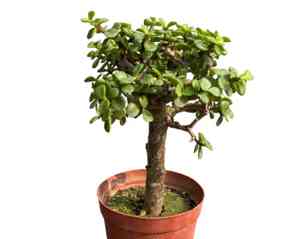
1
Elephant bush requires soil that drains effectively to avoid root decay, a frequent problem for succulents.
2
A sandy loam substrate is optimal, offering a good balance of water drainage and nutrient holding capacity.
3
Elephant bush flourishes in soil with a pH between 6 and 7.5, which is mildly acidic to neutral.
Optimal Soil Type for Elephant Bush
Well-Draining Substrate
A critical element for cultivating a thriving Elephant bush is ensuring the soil drains effectively. Succulents, generally, do not tolerate waterlogged conditions, and the Elephant bush is no different. Excessive moisture can lead to root rot, a condition often fatal for the plant. Utilizing a soil blend that incorporates coarse materials such as perlite, pumice, or coarse sand can enhance drainage. By facilitating rapid water runoff, these additions prevent the soil from holding too much moisture.
Sandy Loam Preference
Elephant bush tends to flourish in sandy loam soil, a mixture that balances sand, silt, and clay. Sandy loam offers good drainage while still retaining some moisture and vital nutrients. This soil structure allows roots to respire while providing sufficient access to water and minerals.
Does Elephant Bush Prefer a Specific Soil pH?
Ideal pH Range
Elephant bush plants prefer a soil pH level between 6 and 7.5, which is slightly acidic to neutral. Maintaining the correct pH is crucial for nutrient absorption. If the pH is too low (excessively acidic) or too high (too alkaline), the plant may struggle to take up nutrients properly. You can assess soil pH using a home testing kit available online or at garden centers.
Enhancing Soil Quality for Elephant Bush
Incorporating Organic Matter
Improving soil quality for Elephant bush can be achieved by adding organic matter like compost or well-decomposed manure. Organic matter enhances soil structure, boosts microbial activity, and increases nutrient availability. However, be careful not to add too much, as excessive organic matter can retain more moisture than is suitable for succulents.
Compost and Mulching
Compost is an excellent soil amendment, supplying essential nutrients over time. Mulching with materials such as wood chips, gravel, or small stones can help maintain moisture without causing waterlogging. Mulching also moderates soil temperature, suppresses weeds, and gradually contributes organic matter to the soil.
Proper Soil Aeration
Adequate soil aeration is vital for the health of Elephant bush. Compacted soil restricts root development and reduces oxygen availability. To aerate the soil, you can gently loosen it with a garden fork or incorporate aerating materials like perlite or coarse sand. This promotes better root growth and improves drainage.
Recommended Soil Mix for Potted Elephant Bush
Commercial Cactus Blends
Commercial cactus and succulent mixes are excellent choices for potted Elephant bush. These blends are specifically formulated to provide superior drainage and the appropriate nutrient balance for succulents. They typically contain materials like perlite, sand, and peat in the correct proportions to prevent water retention.
DIY Soil Mix Recipe
If you prefer a do-it-yourself approach, you can create your own soil blend. A reliable recipe involves mixing 2 parts potting soil, 1 part coarse sand, and 1 part perlite or pumice. This combination ensures good drainage while allowing for some nutrient retention. Always ensure any soil mix you use does not hold too much moisture.
Common Soil Issues and Solutions for Elephant Bush
Preventing Soil Compaction
Soil compaction can be a problem for Elephant bush, especially if the plant remains in the same container for an extended period. Compacted soil reduces aeration and drainage. To prevent this, regularly check the soil condition, and if necessary, gently loosen it. Repotting every 2-3 years can also help prevent compaction.
Managing Over-Watering
Over-watering is one of the most frequent issues leading to root rot in Elephant bush. Ensure your pot has sufficient drainage holes, and allow the soil to completely dry out between waterings. If you observe the soil is consistently wet, consider repotting into a more well-draining soil mix.
Nutrient Deficiencies
Elephant bush plants can suffer from nutrient deficiencies if the soil lacks essential minerals. Symptoms include pale foliage or stunted development. Use a balanced, water-soluble fertilizer diluted to half strength once a month during the growing season to ensure your plant receives the necessary nutrients. Always adhere to the manufacturer's instructions for optimal results.



