Optimal Soil for Growing Kiss-me-quick: What You Need to Know
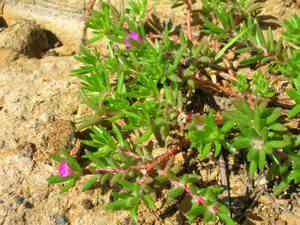
1
Kiss-me-quick flourishes in sandy, well-draining earth.
2
Kiss-me-quick's perfect pH range is from 6 to 7.5.
3
Consistent soil analysis aids in preserving the best cultivation environment for Kiss-me-quick.
Grasping Kiss-me-quick's Substrate Requirements
Optimal Substrate Composition
Kiss-me-quick, a robust and attractive ground cover, flourishes in a particular type of growing medium. Ideally, it should be cultivated in well-draining, sandy soil. This substrate type facilitates proper air circulation and prevents root saturation. A sandy makeup ensures water passes through easily, averting root decay and related problems.
Substrate pH Demands
For peak development, Kiss-me-quick prefers a soil pH between 6 and 7.5. This slightly acidic to neutral range supports the plant's nutrient accessibility and absorption. Utilizing a pH testing kit, available at most garden centers, can help determine your soil's current pH and allow for adjustments if needed.
Moisture Levels
Kiss-me-quick thrives in soil that sustains a moderate moisture level. This implies the substrate should be neither completely arid nor waterlogged. Appropriate irrigation methods are crucial for upholding this equilibrium. Mulching can also aid in retaining soil moisture while inhibiting weed proliferation.
Preparing Substrate for Kiss-me-quick
Selecting the Appropriate Substrate Blend
To formulate the best possible substrate blend for Kiss-me-quick, begin with a sandy soil base and incorporate some organic compost. This guarantees the soil drains effectively while also supplying essential nutrients. Choose a commercial cactus or succulent soil mix if you are unsure about creating your own blend.
Improving Inferior Substrate
If your garden soil isn't naturally sandy or well-draining, amending it is essential. You can add coarse sand or perlite to your existing soil to enhance drainage. Furthermore, integrating organic matter like compost or aged manure improves soil texture and fertility.
Drainage Solutions
For areas prone to water retention, consider implementing drainage solutions such as raised beds or planting on a gentle incline. Place gravel or stones at the base of the planting area to further boost drainage. Ensuring your plant isn't sitting in water is crucial for preventing root rot.
Common Substrate Issues for Kiss-me-quick
Excessive Watering and Saturated Substrate
Overwatering is a frequent problem. Kiss-me-quick plants can suffer when the soil remains too wet, leading to root decay. Always verify that the top layer of soil is dry before irrigating. Over time, establishing a consistent watering routine helps in managing moisture levels.
Substrate Compaction
Compacted soil can impede root development and hinder proper water penetration. Regularly aerating the soil around Kiss-me-quick can help mitigate this issue. This can be achieved using a garden fork or a specialized aeration tool designed for dense soils.
Nutrient Deficiency
While Kiss-me-quick is relatively low-maintenance, a lack of vital nutrients can impede its growth and flowering. Symptoms of nutrient deficiency include yellowing foliage or stunted development. Regularly adding organic compost or balanced fertilizers can help maintain nutrient levels.
Maintaining Healthy Substrate for Kiss-me-quick
Routine Substrate Testing
To keep Kiss-me-quick flourishing, conduct soil tests periodicallyâat least once annually. These tests can inform you about the pH level and nutrient content, guiding you on any necessary amendments to sustain a healthy soil environment.
Utilizing Organic Mulch
Applying a layer of organic mulch around your Kiss-me-quick helps to retain soil moisture, regulate soil temperature, and add organic matter as it breaks down. Mulch also aids in reducing weed growth, providing a more favorable growing environment.
Fertilization Advice
Kiss-me-quick benefits from light but consistent fertilization. Use a balanced, slow-release fertilizer during the active growth periodâspring through early autumn. This ensures steady nutrient availability without the risk of over-fertilizing, which can cause harm.



