Optimal Soil for Growing White poplar: What You Need to Know
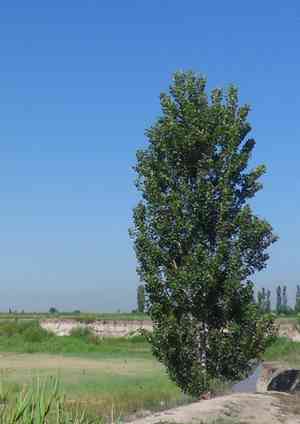
1
White poplar flourishes optimally in soil with a pH between 6.5 and 8.
2
Adequate drainage prevents excessive moisture, which can damage White poplar's root system.
3
Consistent soil analysis aids in sustaining the ideal nutrient balance required for White poplar development.
What Type of Soil Does White poplar Need?
Well-Drained Soil
A primary requirement for robust White poplar development is soil that drains effectively. This tree does not flourish in waterlogged conditions. Good drainage ensures roots receive ample oxygen, preventing root rot and associated ailments. To assess drainage, dig a hole approximately 30 centimeters (12 inches) deep and fill it with water. If the water dissipates within an hour, the soil drains well.
Soil pH Balance
The ideal soil pH for White poplar ranges from 6.5 to 8. This slightly acidic to mildly alkaline spectrum enables the tree to absorb vital nutrients efficiently. You can determine your soil's pH using a home kit or by submitting a sample to a lab. Adjusting soil pH involves using lime to increase it (make more alkaline) or sulfur to decrease it (make more acidic).
Nutrient Content
Soil rich in nutrients promotes vigorous growth in White poplar. Essential nutrients include nitrogen, phosphorus, and potassium. Incorporating organic materials like compost or well-decomposed manure significantly boosts soil fertility. For additional nutrient support, apply a balanced fertilizer, especially during the tree's active growth period.
How to Prepare Soil for White poplar Planting?
Soil Testing
Before planting White poplar, performing a soil test is crucial. This will reveal the soil's pH and nutrient levels, allowing you to make necessary modifications. Collect soil samples from various spots in your planting area and combine them for a comprehensive test. Follow the instructions on a soil testing kit, or consult your local cooperative extension for testing services.
Amending Soil
Based on your soil test results, you might need to amend your soil. Adding organic matter such as compost improves soil structure and fertility. If the pH is too low, add lime; if it's too high, add elemental sulfur. Also, consider incorporating slow-release fertilizers to provide balanced nutrition over time.
Proper Drainage Techniques
Improving soil drainage is vital for White poplar. If you have heavy clay soil, enhance drainage by adding coarse sand or organic matter like compost. You can also create raised beds or plant on a gentle slope to encourage water runoff. Avoid compacting the soil, as this can impede water movement and root development.
Can White poplar Grow in Clay or Sandy Soils?
Adapting Clay Soil
White poplar can thrive in clay soil if it is properly amended. Integrate organic matter such as compost or aged manure to enhance soil structure and drainage. Gypsum can also help break up dense clay soils. Ensure regular cultivation to prevent the soil from becoming too compact.
Adapting Sandy Soil
Sandy soils can be challenging because they drain excessively and may not retain sufficient nutrients. To improve sandy soils for White poplar, mix in ample organic matter like compost or peat moss. These amendments help retain moisture and boost nutrient retention.
Soil Amendments Needed
Regardless of whether your soil is clay or sandy, incorporating organic matter is beneficial. This includes compost, leaf mold, or well-rotted manure. Regularly mulching around the tree's base also helps improve soil structure and fertility, maintaining an optimal growing environment.
Benefits of Mulching White poplar
Moisture Retention
Applying mulch around White poplar trees helps maintain soil moisture, reducing the need for frequent irrigation. Organic mulches like wood chips or bark are particularly effective. Apply a layer approximately 5-10 centimeters (2-4 inches) thick, keeping it away from the trunk to prevent rot.
Weed Suppression
Mulch acts as a barrier against weed growth. This lessens competition for nutrients and water, allowing your White poplar to develop stronger roots and healthier growth. Organic mulches will eventually decompose, contributing to the soil's organic matter content.
Temperature Regulation
Mulch helps stabilize soil temperature, keeping it cooler in summer and warmer in winter. This creates a more consistent environment for root development. Additionally, a stable soil temperature helps prevent stress on the tree, promoting optimal growth.
Common Soil Problems for White poplar and How to Fix Them
Soil Compaction
Compacted soil restricts root growth and water penetration. To alleviate compaction, regularly aerate the soil around your White poplar. This can be done using a garden fork or a mechanical aerator. Adding organic matter can also prevent future compaction.
Nutrient Deficiencies
If your White poplar displays yellowing leaves or stunted growth, it might be suffering from nutrient deficiencies. Conduct a soil test to identify missing nutrients and amend the soil accordingly. Use a balanced fertilizer to replenish nutrients and consider foliar feeding for quicker nutrient uptake.
Poor Drainage
Inadequate drainage can lead to root rot and other water-related issues. Improving soil structure by adding coarse sand or organic matter can enhance drainage. Creating raised beds or installing drainage pipes may also be necessary for areas with persistent waterlogging.
Maintaining Optimal Soil Conditions for White poplar
Regular Soil Testing
Consistent soil testing is vital for maintaining ideal conditions for your White poplar. Test your soil annually or bi-annually to monitor pH levels and nutrient content. This allows for timely adjustments, ensuring the tree receives the best possible growing environment.
Fertilization Schedule
Establish a consistent fertilization schedule to keep your White poplar nourished. Apply a balanced, slow-release fertilizer in early spring before new growth begins. A second application can be made in late summer if needed. Avoid over-fertilizing, as this can lead to nutrient runoff and potential harm to the tree.
Watering Practices
Appropriate watering practices are essential for White poplar health. Water deeply and infrequently, ensuring the soil is moist but not saturated. Young trees require more frequent watering until established. Utilizing a soaker hose or drip irrigation system can help provide consistent moisture while preventing over-watering.



