Optimal Soil for Growing Balloon flower: What You Need to Know
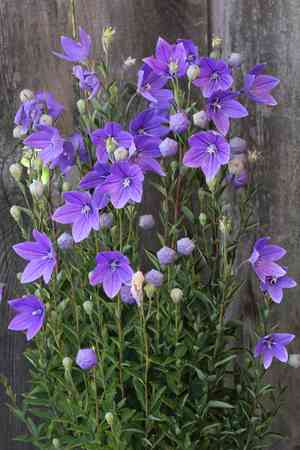
1
Confirm your Balloon flower's soil has good drainage to avoid root decay.
2
Keep the soil's pH between 6.5 and 7.5 for the best Balloon flower development.
3
Balloon flower flourishes in soil that is rich in organic material.
Optimal Soil Type for Balloon Flower
Ideal Soil Makeup
For Balloon flower, the perfect soil is well-draining and loamy. Loamy soil, a balanced mix of sand, silt, and clay, retains moisture effectively without becoming waterlogged. This composition ensures roots receive adequate hydration and oxygen. Avoid heavy clay or excessively sandy soils, as they can hinder growth.
The Importance of Drainage
Good drainage is vital for Balloon flower, as waterlogged conditions can cause root rot, a serious problem for these plants. To assess soil drainage, dig a small hole, fill it with water, and observe how quickly it drains. Ideally, water should drain within a few hours. If it takes longer, drainage improvement may be necessary.
pH Levels (Acidity/Alkalinity)
Balloon flower plants thrive in slightly acidic to neutral soil, with a pH range of 6.5 to 7.5. A pH meter or test kit can help determine your soil's pH. To maintain this range, use soil amendments like lime to raise pH or sulfur to lower it. Consistent monitoring and adjustments significantly impact plant health.
How to Modify Soil for Balloon Flower
Enhancing Soil Drainage
Improving soil drainage involves adding materials that boost aeration and water flow. Incorporating coarse sand, perlite, or small gravel into the soil mix can greatly enhance drainage. Raised beds also offer an effective solution, allowing excess water to drain more efficiently.
Adjusting Soil pH
To balance your soil's pH for Balloon flower, you can use lime to increase pH or sulfur to decrease it. It's crucial to follow product label application rates and recheck soil pH periodically. Organic options, such as wood ash for raising pH or peat moss for lowering it, can also be used, depending on specific soil needs.
Organic Matter and Fertilizers
Adding organic matter, like compost or aged manure, greatly benefits Balloon flower by improving soil structure, supplying nutrients, and enhancing water retention. Organic fertilizers, such as bone meal or fish emulsion, provide a slow-release nutrient source for healthy growth. Mix these amendments into the soil before planting and replenish them regularly during the growing season.
Common Soil Issues for Balloon Flower
Insufficient Soil Drainage
Poor soil drainage is a frequent issue that can lead to root rot and other fungal diseases in Balloon flower. It's essential to address this by amending the soil with materials that improve air circulation and water movement, such as sand or perlite. Elevated planting beds can also help alleviate drainage problems.
Nutrient Deficiencies
Nutrient deficiencies can appear as yellowing leaves, stunted growth, or poor flowering in Balloon flower. Regular application of balanced fertilizers and organic matter can help correct these deficiencies. Soil testing can pinpoint specific nutrient gaps, enabling targeted amendments.
Soil-Borne Pests and Diseases
Soil-borne pests and diseases can negatively impact Balloon flower health. Implementing crop rotation, using disease-resistant plant varieties, and applying organic pest control methods can help reduce risks. Healthy soil practices, like composting and mulching, also foster a balanced ecosystem that minimizes pest and disease outbreaks.
Seasonal Soil Care Advice for Balloon Flower
Spring Preparations
In spring, prepare the soil by incorporating organic matter and ensuring proper drainage. Test the soil pH and make necessary adjustments. Aerate compacted soil and begin a regular fertilization routine tailored to Balloon flower's needs.
Summer Upkeep
During summer, apply mulch around Balloon flower plants to conserve moisture and regulate soil temperature. Regularly check for signs of nutrient deficiencies or pest issues and address them promptly. Continue to monitor soil pH and nutrient levels to ensure optimal growing conditions.
Fall and Winter Care
In the fall, add a layer of compost or well-rotted manure to prepare the soil for the upcoming growing season. Protect roots from freezing temperatures by applying mulch. Over winter, consider cover cropping to enhance soil health and reduce erosion.



