Optimal Soil for Growing Oriental arborvitae: What You Need to Know
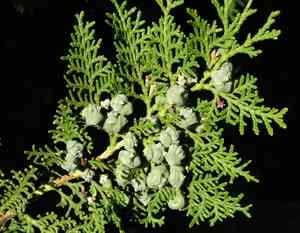
1
Applying mulch greatly assists in preserving ground moisture and stabilizing the temperature for Oriental arborvitae.
2
Periodically check the soil's pH level near your Oriental arborvitae to confirm it stays within 6.5 and 7.5.
3
Inadequate soil drainage is a frequent problem; guaranteeing proper drainage prevents root decay.
Selecting the Ideal Soil for Oriental Arborvitae
Soil pH Requirements
Oriental arborvitae flourishes in soil with a pH between 6.5 and 7.5. This slightly acidic to neutral range is vital for efficient nutrient uptake. Deviations from this range can impede growth and cause nutrient deficiencies. Regular soil pH testing is recommended to maintain optimal conditions. Test kits are readily available at garden centers for quick, reliable readings.
Nutrient Content
For Oriental arborvitae, nutrient-rich soil is crucial. This plant needs a balanced supply of nitrogen, phosphorus, and potassium for robust growth. A slow-release, balanced fertilizer can replenish these nutrients, ensuring sustained development. Additionally, organic materials like compost can be mixed in to boost fertility and enhance soil structure.
Soil Texture
Soil texture is another critical factor for Oriental arborvitae. It prefers well-drained loamy or sandy soil, which allows roots access to oxygen and prevents water stagnation. The texture should be balancedâneither too dense nor too loose. To check your soil texture, moisten a handful and squeeze it. If it forms a loose, crumbly ball, it's ideal for your arborvitae.
Improving Suboptimal Soil for Oriental Arborvitae
Amending Clay Soil
If your soil is heavy clay, it can be problematic for Oriental arborvitae. Clay soils tend to hold water, leading to poor drainage and root rot. To improve clay, incorporate generous amounts of organic matter like compost or well-rotted manure. This enhances drainage and provides essential nutrients. Sand can also be added for a looser texture, but do so carefully to avoid a cement-like mixture.
Amending Sandy Soil
Conversely, sandy soil drains too quickly and may lack nutrients, which might not adequately support Oriental arborvitae. To amend sandy soil, mix in organic matter such as compost or peat moss. These materials help retain moisture and add vital nutrients. Furthermore, a layer of mulch can reduce water evaporation, keeping the soil moist longer.
Maintaining Optimal Soil Conditions for Oriental Arborvitae
Mulching Benefits
Applying mulch around your Oriental arborvitae offers significant advantages. Mulch helps retain soil moisture, regulate temperature, and suppress weed growth. Organic mulches like wood chips, bark, or pine needles decompose over time, enriching the soil with nutrients. Apply a 5 to 10 cm (2-4 inch) layer around the plant's base, ensuring it doesn't touch the trunk to prevent rot.
Watering Practices
Consistent watering is vital for Oriental arborvitae, especially during its initial establishment. Keep the soil uniformly moist but not waterlogged. Water deeply to encourage roots to grow further down. Increase watering frequency during dry spells, but reduce it during rainy periods to prevent overwatering.
Monitoring Soil Health
Regularly checking soil health is crucial for maintaining optimal conditions for Oriental arborvitae. Look for signs of nutrient deficiencies, such as yellowing leaves or stunted growth, and address them with appropriate fertilizers. Soil testing every few years provides insights into nutrient levels and pH, allowing for necessary adjustments. A healthy soil ecosystem with diverse beneficial microorganisms also supports overall plant health.
Common Soil Issues for Oriental Arborvitae
Compacted Soil
Compacted soil can severely hinder Oriental arborvitae, restricting root growth and water penetration. To alleviate compaction, aerate the soil by loosening it with a garden fork or aerator. Incorporating organic matter can also improve soil structure, making it more friable and less prone to compaction.
Poor Drainage
Poor drainage leads to waterlogged soil, which can cause root rot in Oriental arborvitae. Ensure your planting site has good drainage. Raised beds or mounding the soil can improve drainage. If your garden has a high water table, consider installing a drainage system to divert excess water.
Nutrient Deficiencies
Nutrient deficiencies can appear as discolored leaves, poor growth, or increased susceptibility to pests and diseases. Regularly feeding your Oriental arborvitae with a balanced fertilizer and adding organic matter helps maintain nutrient levels. Soil tests can pinpoint specific deficiencies, allowing for targeted fertilizers or amendments.



