Optimal Soil for Growing Staghorn fern: What You Need to Know
1
Exercise caution when hydrating your Staghorn fern, as excessive watering may cause root decay.
2
Confirm the mounting substrate stays damp yet also facilitates adequate air movement.
3
Nourishing it once a month with a balanced liquid plant food can encourage robust development.
What Growing Medium Does a Staghorn Fern Require?
Understanding Epiphytic Flora
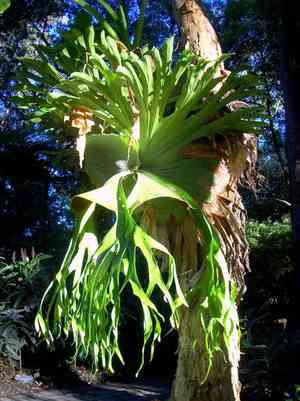
The Staghorn fern is an epiphytic plant, meaning it naturally attaches to other plants and obtains its nourishment from the atmosphere, rainfall, and accumulated debris. Unlike typical potted plants, these ferns do not need conventional soil. Instead, they flourish in a substrate designed to mimic their natural environment. Grasping this unique trait helps you provide optimal conditions for your Staghorn fern.
Specific Substrate Needs for Staghorn Fern
Given their epiphytic nature, Staghorn ferns necessitate a growing medium that prioritizes drainage and air movement while retaining some moisture. A blend of sphagnum moss, bark, and perlite offers an ideal substrate. The medium's pH should be slightly acidic to neutral, ranging from 6.5 to 7.5, fostering optimal nutrient absorption and robust development.
Components of Optimal Substrate for Staghorn Fern
Organic Material
Organic matter like sphagnum moss or peat is vital for Staghorn ferns. These elements effectively hold moisture while decomposing slowly, providing a consistent nutrient supply. They also help create a light, airy mixture that emulates the plant's natural habitat.
Perlite and Bark
Perlite and bark add structure and aeration to the growing medium. Perlite enhances drainage, preventing waterlogging, which is crucial as Staghorn ferns are prone to root rot. Bark, conversely, offers a natural texture that supports the fern's epiphytic growth habit while preventing substrate compaction.
Moisture Retention
While excellent drainage is essential, the mix should also retain sufficient moisture to keep the fern hydrated. Sphagnum moss excels in this aspect, maintaining moisture without becoming saturated. This equilibrium helps create a humidity level that supports the epiphytic nature of the Staghorn fern.
Air Circulation
Air circulation is critical to prevent fungal diseases and root decay. The coarse texture of bark and the inclusion of materials like perlite ensure that air circulates freely around the plant's root system. This helps maintain a healthy environment and mimics the conditions in the fern's native habitats.
How to Prepare Substrate for Staghorn Fern
Mixing Components
To prepare the growing medium, combine equal parts of sphagnum moss, finely shredded bark, and perlite. This blend provides the correct balance of moisture retention, nutrient availability, and air circulation. If possible, use rainwater to dampen the mix, as it closely resembles the natural water source of epiphytic plants.
Layering Method for Mounting
When attaching your Staghorn fern, begin with a layer of damp sphagnum moss on the mounting board or basket. Position the fern's root ball in the center and secure it with fishing line or soft ties, ensuring the roots contact the sphagnum moss. Add more moss around the roots to cover them completely, creating a snug, supportive base for the fern.
Maintaining Substrate Health for Staghorn Fern
Regular Inspections
Periodically examine your Staghorn fern to ensure the growing medium remains fresh and aerated. Remove any dead or decaying material and replace the sphagnum moss as needed to maintain good hygiene and optimal moisture levels.
Fertilization Advice
Nourish your Staghorn fern with a balanced liquid fertilizer diluted to half strength once a month during its active growth period. Avoid excessive fertilization, as this can lead to salt accumulation and harm the plant's roots. A balanced fertilizer ensures the fern receives all essential nutrients without overwhelming it.
Preventing Substrate Compaction
Over time, the growing medium can compact, reducing air circulation and promoting root rot. To prevent this, gently loosen the mix periodically or replace it entirely if it becomes too dense. Ensure the mounting medium remains airy and well-draining for continued plant vitality.
Common Substrate Issues for Staghorn Fern and Solutions
Excessive Watering Problems
Overwatering is a frequent issue that can lead to root rot and other complications. To address this, ensure your growing medium provides excellent drainage and water your fern only when the sphagnum moss feels dry to the touch. Lift the fern after watering to ensure surplus water drains away completely.
Pest and Disease Management
Pests and diseases can also endanger your Staghorn fern. Regularly inspect the plant for signs of pests such as scale or mealybugs. Treat any infestations promptly with insecticidal soap or neem oil. Maintain good air circulation by regularly trimming dead foliage and ensuring the growing medium remains fresh and aerated.
Addressing Nutrient Deficiencies
Nutrient deficiencies can manifest as yellowing leaves or stunted development. Resolve this by ensuring your fern receives adequate fertilization. Use a balanced liquid fertilizer and supplement with trace minerals as needed to promote healthy growth and prevent deficiencies.



