Optimal Soil for Growing Garden pea: What You Need to Know
1
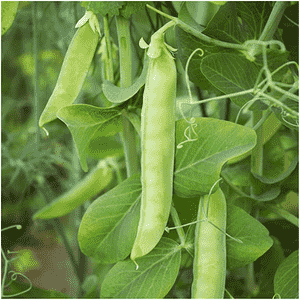
Interesting fact: Garden pea roots are capable of converting atmospheric nitrogen, thereby enriching the soil for subsequent plantings.
2
Steer clear of excessively acidic or alkaline ground. A pH range of 6.5 to 7.5 is optimal for Garden pea.
3
Incorporating organic materials like compost can enhance soil structure, water drainage, and nutrient levels.
Optimal Soil Type for Garden Pea Cultivation
Preferred Soil Texture and Makeup
For Garden pea, a sandy loam or loamy soil is ideal. Such soils offer a balanced environment, retaining moisture effectively without becoming waterlogged. These soil types also promote robust root development, which is vital for Garden pea plants.
Significance of Soil Ventilation
Soil aeration is critical for Garden pea as it facilitates the free movement of air, water, and nutrients within the soil. Regular turning and tilling of the soil help prevent compaction, ensuring roots have an optimal environment for growth.
Best pH Ranges for Garden Pea
Garden pea thrives in soils with a pH level between 6.5 and 7.5. Keep a soil testing kit on hand to monitor and maintain this optimal range. If the soil is too acidic, incorporate lime to increase the pH. Conversely, add sulfur to decrease the pH if the soil is too alkaline.
Preparing Soil for Garden Pea Planting
Soil Analysis and Amendments
Before planting your Garden pea, perform a soil test to determine its nutrient content and pH. This will help you understand which amendments are necessary. Based on the test results, you can add elements like phosphorus or potassium, which are crucial for healthy plant development.
Incorporating Organic Material
Adding organic matter, such as compost or well-rotted manure, enriches the soil, enhances its structure, and supplies essential nutrients. Spread a layer of compost approximately 5-7 cm (2-3 inches) thick and thoroughly mix it into the topsoil to prepare a rich bed for your Garden pea.
Ensuring Adequate Drainage
Proper drainage is essential to prevent root rot and other water-related issues. Ensure your soil drains well by incorporating sand or fine gravel if needed. Raised beds can also be an excellent solution for improving drainage.
Nutritional Requirements of Garden Pea Plants
Key Macro and Micro Nutrients
Garden pea requires a variety of nutrients to flourish. Primary macronutrients include nitrogen, phosphorus, and potassium, while vital micronutrients are calcium, magnesium, and sulfur. Regularly replenish these nutrients to sustain healthy plant growth.
Role of Nitrogen Fixation
Interestingly, Garden pea plants are capable of nitrogen fixation. This means they can convert atmospheric nitrogen into a form plants can use, enriching the soil. Planting legumes like Garden pea can enhance soil fertility, benefiting subsequent crops.
Judicious Use of Fertilizers
While Garden pea improves soil nitrogen levels, it's still important to use fertilizers wisely. Choose a balanced fertilizer or one formulated for legumes to avoid over-fertilization, which can harm plants. Follow package instructions for optimal results.
Maintaining Soil Health for Garden Pea
Routine Soil Testing
Conducting regular soil tests will help you monitor your soil's health and nutrient levels. Testing every 2-3 years can provide insights into necessary amendments, ensuring optimal growing conditions for your Garden pea.
Crop Rotation Practices
Rotate your crops to maintain soil health and reduce the risk of soil-borne diseases. Avoid planting Garden pea in the same location year after year. Instead, follow a rotation schedule, allowing at least 3-4 years before replanting peas in the same area.
Applying Mulch and Compost
Mulch and compost play significant roles in maintaining soil health. Mulching helps retain moisture and suppress weeds, while compost adds organic matter and nutrients. Apply mulch around the base of your plants and refresh it as needed.



