Optimal Soil for Growing Italian stone pine: What You Need to Know
1
Italian stone pine flourishes optimally in sandy loam soil that drains effectively, possessing a pH range of 6.5 to 8.
2
Routine soil analysis assists in preserving the ideal pH and nutrient concentrations for Italian stone pine.
3
Prevent soil compression by adding organic material and guaranteeing adequate water runoff.
Optimal Soil Type for Italian Stone Pine
Well-Draining Soil Composition
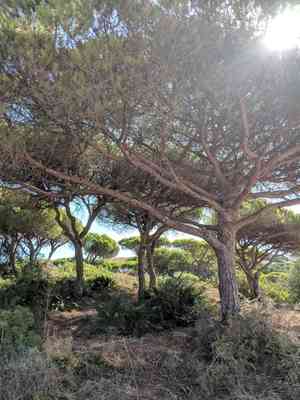
The Italian stone pine, recognized for its resilience and distinctive umbrella-shaped canopy, thrives in soil that drains effectively. Preventing excessive water retention in the soil is vital, as this plant is prone to root rot. You can achieve this by incorporating organic materials such as compost or aged manure, which improve aeration and drainage capabilities.
Sandy Loam Soil Characteristics
Sandy loam soil provides an ideal mix of sand, silt, and clay, offering the Italian stone pine a perfect growth medium. This soil type ensures proper drainage while retaining necessary moisture and nutrients. If your garden soil is overly clayey or sandy, you may need to modify it to achieve a balanced sandy loam texture, creating the right conditions for robust growth.
Amending Soil for Italian Stone Pine
Improving Soil Structure
Enhancing soil structure is fundamental for supporting an Italian stone pine. An effective method involves integrating organic materials like compost or leaf mold. These substances decompose over time, improving soil texture, fostering healthy root systems, and preventing compaction.
Balancing Soil pH Levels
Maintaining the correct pH level, between 6.5 and 8, is crucial for the health of your Italian stone pine. If the soil is excessively acidic (below 6.5), you can add lime to increase the pH. Conversely, if the soil is too alkaline (above 8), sulfur or peat moss can help reduce the pH level. Regular soil testing will ensure the pH remains within the optimal range.
Nutrient Management
Balanced nutrition is essential for the vigorous development of Italian stone pines. Incorporate slow-release fertilizers or organic amendments like bone meal to provide a continuous supply of nutrients. Pay close attention to key elements such as nitrogen, phosphorus, and potassium, ensuring they are present in appropriate quantities to prevent deficiencies or toxicities.
Common Soil Issues for Italian Stone Pine
Compaction Problems
Italian stone pines are susceptible to soil compaction, which can impede root growth and water penetration. To mitigate compaction, avoid heavy machinery near the root zone and periodically aerate the soil using garden tools or aerators. Incorporating coarse sand or gravel can also help improve soil structure and reduce compaction risks.
Poor Drainage Solutions
Inadequate drainage leads to waterlogged soil, which can be harmful to Italian stone pines. To improve drainage, you might need to construct raised beds or add organic material such as compost or bark chips to increase soil permeability. Installing perforated drainage pipes can also divert excess water away from the root system.
How to Test Soil for Italian Stone Pine
Soil Testing Kits
Routine soil testing is vital for ensuring your Italian stone pine has optimal growing conditions. Home soil testing kits are widely available and simple to use. They typically measure pH, nutrient levels, and sometimes soil texture, offering a comprehensive overview of your soil's condition.
Understanding Soil Test Results
Interpreting soil test results can help you make informed decisions about soil modifications. Look for the pH level and the concentration of essential nutrients like nitrogen, phosphorus, potassium, and organic matter content. These results will guide you in adjusting soil conditions to meet the specific requirements of your Italian stone pine.
Seasonal Soil Care Tips for Italian Stone Pine
Spring Soil Preparation
Spring is the ideal time to prepare your soil for planting or maintaining Italian stone pines. Begin by conducting a soil test to assess pH and nutrient levels. Incorporate organic matter such as well-rotted compost or manure to enrich the soil. If necessary, adjust pH levels and apply a balanced fertilizer to support new growth.
Winterizing the Soil
Winterizing soil involves safeguarding your Italian stone pine from harsh winter conditions. Apply a layer of mulch around the base to insulate roots and retain moisture. Avoid significant pruning before winter as this can stress the plants. Perform a final soil test to ensure pH and nutrient levels are optimal before the dormant season.



