Optimal Soil for Growing White spruce: What You Need to Know
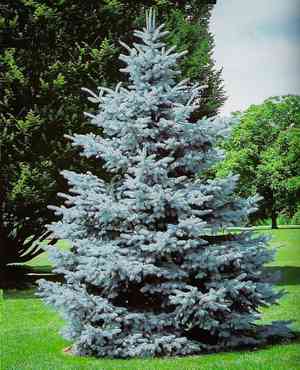
1
White spruce thrives in soil with a pH between 6.5 and 7.5, leaning slightly acidic to neutral.
2
Regularly monitor soil dampness for White spruce, as overwatering can cause root decay.
3
Incorporating organic materials such as compost can greatly enhance the soil's structure and nutrient content for White spruce.
Optimal Ground Makeup for White spruce
Ground Consistency
Regarding ground consistency, White spruce flourishes best in well-drained, loamy earth. Loamy earth, a balanced blend of sand, silt, and clay, ensures adequate moisture retention while allowing sufficient water passage. Sandy grounds, though good for drainage, may need extra organic material to hold moisture. Clay grounds, conversely, might require sand or compost to enhance air circulation and prevent waterlogging.
Moisture Retention Capability
The ground's capacity to hold moisture is vital for the robust development of White spruce. The aim is to keep the ground consistently damp but not saturated. Excessively dry conditions can stress the tree, while too much moisture can lead to ailments like root decay. Employing mulches such as pine needles or bark fragments around the tree's base can help maintain ground moisture levels by reducing evaporation.
Air Circulation Requirements
Sufficient ground aeration is essential for root vitality and nutrient absorption in White spruce. Good aeration allows roots to respire and take up water and nutrients effectively. Organic substances like compost, leaf mold, and aged manure can be blended into the ground to enhance its structure and improve air flow. Avoid overly compacting the ground near the roots to ensure they have ample room to expand and access oxygen.
Ideal Ground pH for White spruce
Preferred pH Spectrum
White spruce prefers a slightly acidic to neutral ground pH range of 6.5 to 7.5. Monitoring and maintaining this pH range is crucial as it impacts nutrient availability and overall tree health. You can easily test your ground's pH using a home kit or by submitting a sample to a local agricultural service.
Assessing and Adjusting Ground pH
To assess ground pH, collect a small sample from various parts of the planting area, combine it, and follow the test kit's instructions. If the pH is too low (acidic), you can elevate it by adding lime, available at garden centers. If the pH is too high (alkaline), incorporating sulfur or organic matter like peat moss can reduce it. Always retest the ground after making modifications to confirm the pH is within the desired range.
Key Nutrients for White spruce Development
Primary Nutrients
White spruce needs several primary nutrients for optimal growth, mainly nitrogen (N), phosphorus (P), and potassium (K). Nitrogen promotes lush, green foliage; phosphorus supports strong root formation; and potassium aids in overall vigor and disease resistance. A balanced 10-10-10 (N-P-K) plant food can be applied to supply these essential nutrients, following the manufacturer's guidelines based on the tree's size and age.
Trace Elements
In addition to primary nutrients, White spruce benefits from several trace elements like iron, manganese, and zinc, which are required in smaller quantities but are vital for various biological processes. These can often be provided through organic amendments or specific fertilizers formulated for evergreen trees. Regular ground testing can help identify if any trace elements are deficient and require supplementation.
Fertilization Advice
When feeding White spruce, it's important to do so at the correct time and with the appropriate quantity. Early spring is the best period to apply plant food as the tree's root system is actively growing. Avoid fertilizing late in the growing season to prevent new growth that could be harmed by early frost. Always thoroughly water the ground after applying plant food to help it reach the roots.
Common Ground Issues for White spruce
Compaction Difficulties
Ground compaction is a frequent problem that can severely impact White spruce. Compacted ground restricts root expansion and limits air and water penetration. Regularly aerating the ground and avoiding heavy machinery or foot traffic around the tree can prevent compaction. If your ground is already compacted, loosening it with a garden fork or aerator can help improve its structure.
Poor Drainage Solutions
Inadequate drainage is another common issue that can lead to root decay and other diseases in White spruce. To enhance drainage, consider installing raised beds or adding organic matter to the ground. Creating a slight incline around the planting area can also help direct excess water away from the tree's roots.
Nutrient Deficiencies
Nutrient shortages often appear as discolored leaves or stunted growth in White spruce. Regular ground testing can pinpoint specific nutrient shortfalls. Correcting these deficiencies typically involves targeted fertilization or the addition of specific nutrient-rich amendments, such as bone meal for phosphorus or greensand for potassium.
Recommendations for Preparing Ground for White spruce Planting
Ground Preparation Steps
Properly preparing the ground is vital for establishing a healthy White spruce. Begin by clearing the planting area of weeds, rocks, and debris. Loosen the ground to a depth of about 40-60 cm (16-24 inches) using a spade or garden fork. Mixing in organic matter like compost or well-rotted manure can improve ground texture and fertility, making it more conducive to root growth.
Amending the Ground
Ground amendments can significantly enhance the ground's properties for cultivating White spruce. Adding materials like compost, leaf mold, and sand can improve drainage, aeration, and nutrient content. Work these amendments into the top 15-20 cm (6-8 inches) of ground to ensure they are well-incorporated and can benefit the root system.
Mulching Methods
Applying mulch around the base of White spruce helps retain ground moisture, regulate temperature, and prevent weed growth. Use organic mulches such as pine needles, bark chips, or straw, spreading them in a 5-10 cm (2-4 inches) layer. Keep the mulch a few centimeters away from the trunk to avoid creating a damp environment that can lead to rot.



