Optimal Soil for Growing Obedient plant: What You Need to Know
1
Obedient plant flourishes best in soil with a pH range of 6.5 to 7.5.
2
For peak growth, make sure your Obedient plant's soil drains well and holds moisture effectively.
3
Adding organic materials such as compost can greatly enhance the soil's composition for Obedient plant.
Optimal Soil Type for Obedient Plant
Perfect Soil Makeup
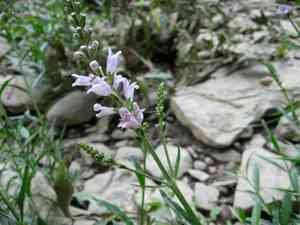
The Obedient plant, known scientifically as Physostegia virginiana, flourishes in well-balanced, nutrient-rich earth. Ideally, the soil should be a blend of sand, silt, and clay, creating a loamy texture. This balanced composition ensures adequate moisture retention while also providing effective drainage. It also allows roots to develop without becoming compressed.
Soil Acidity Levels
Maintaining the correct soil pH is vital for Obedient plant development. A pH range of 6.5 to 7.5 is optimal. Soil that is excessively acidic or alkaline can hinder nutrient uptake, impeding the plant's growth. Simple soil testing kits are available at most garden centers and can assist in monitoring and adjusting pH levels accurately.
Drainage and Water Retention
Effective drainage is crucial for Obedient plant to prevent root rot and other fungal diseases. However, maintaining proper moisture retention is equally important to keep the plant hydrated, especially during warm summer days. Incorporating materials like perlite or vermiculite into the soil can help achieve a balance between drainage and moisture retention.
How to Test and Amend Soil for Obedient Plant
Performing Soil Analyses
Before planting, conducting a soil test can offer valuable insights into your soil's current condition. These tests can assess pH levels, nutrient content, and other vital factors. Collect samples from various parts of your garden, combine them, and send them to a local extension service or utilize an at-home testing kit. This will help you understand what amendments your soil might require.
Adjusting Soil pH
If your soil test indicates an unsuitable pH level, there are methods to modify it. For acidic soils (below 6.5), adding lime can help increase the pH. Conversely, if the soil is too alkaline (above 7.5), sulfur or peat moss can be incorporated to lower the pH. Always re-test your soil after making adjustments to confirm you've reached the desired pH level.
Enhancing Soil Structure
To improve soil structure for Obedient plant, organic additions like compost, aged manure, or leaf mold can be beneficial. These organic components enhance soil texture, boost fertility, and improve water retention. In cases of heavy clay soil, adding sand can improve drainage and prevent compaction, creating an ideal environment for root development.
Beneficial Soil Additives for Obedient Plant
Organic Amendments
Organic additives are highly advantageous for Obedient plant cultivation. Compost, aged manure, and leaf mold enrich the soil with essential nutrients and improve its overall structure. These organic materials decompose over time, releasing nutrients gradually, thereby providing long-term benefits to the plants. Additionally, they aid in water retention, ensuring the Obedient plant remains adequately hydrated.
Inorganic Amendments
Inorganic additives such as perlite, vermiculite, and sand can also be beneficial. Perlite and vermiculite enhance soil aeration and drainage, reducing the risk of root rot, while sand increases the soil's permeability. These materials help maintain the perfect balance of moisture and air in the soil, which is crucial for the healthy growth of Obedient plant.
DIY Soil Mix for Obedient Plant
Basic Formula
Crafting your own soil mix for Obedient plant is straightforward and rewarding. A fundamental recipe includes 40% compost, 30% garden soil, 20% sand, and 10% perlite or vermiculite. This combination provides the ideal balance of nutrients, drainage, and aeration necessary for optimal growth.
Steps for Mixing Soil
Begin by gathering all ingredients and a large container for blending. Start with the garden soil and add the compost, mixing thoroughly to combine well. Next, add the sand and mix again to ensure even distribution. Finally, incorporate perlite or vermiculite to enhance drainage and aeration. Mix everything thoroughly, and your homemade soil mix for Obedient plant is ready to use.
Resolving Common Soil Issues for Obedient Plant
Soil Compaction
Soil compaction can hinder root growth and water absorption, leading to poor Obedient plant health. To alleviate compaction, consider tilling or aerating the soil. Adding organic matter like compost can also help loosen compacted soil, making it easier for roots to penetrate and access nutrients.
Nutrient Deficiencies
Nutrient deficiencies can manifest as discolored leaves or stunted growth. Conduct a soil test to identify missing nutrients. Common deficiencies can be corrected by adding specific fertilizers or organic matter rich in the absent nutrients. Regular mulching with organic materials can also help maintain nutrient levels in the soil.
Moisture Problems
Obedient plant requires balanced moisture; too much or too little can cause issues. Ensure your soil has good drainage to avoid waterlogging, which can lead to root rot. Conversely, mulching and consistent watering can prevent the soil from drying out, especially during hot, arid periods. Monitor soil moisture regularly to keep it at an optimal level.



