Optimal Soil for Growing New zealand flax: What You Need to Know
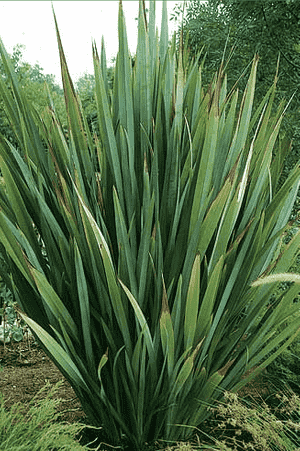
1
New Zealand flax flourishes in soil that drains effectively, preventing root decay.
2
This species tolerates soil pH ranging from slightly acidic to neutral, specifically between 6.5 and 7.5.
3
Consistent application of mulch aids in preserving soil moisture, creating an ideal habitat for New Zealand flax.
Optimal Soil Type for New Zealand Flax
Ideal Soil Composition
For your New Zealand flax to flourish robustly, focusing on its soil makeup is crucial. These plants thrive in soil that drains well, preventing water accumulation which can cause root diseases. A blend of loamy soil with ample organic matter works exceptionally, balancing moisture retention and efficient drainage...
Soil pH Requirements
New Zealand flax prefers soil that is slightly acidic to neutral, with a pH range between 6.5 and 7.5. This range ensures the plant can absorb essential nutrients effectively. You can check your soil's pH using a simple kit from most garden centers. If the pH is too low, adding lime can raise it; sulfur can lower it if it's too high...
Preparing Soil for New Zealand Flax Planting
Steps for Soil Preparation
Preparing the soil for planting New Zealand flax involves several steps to create an ideal growth environment. Begin by clearing the planting area of weeds and debris. Loosen the soil to a depth of approximately 30 cm (12 inches) to encourage root penetration and aeration. Incorporate organic materials like compost or well-rotted manure to enrich the soil with nutrients...
Amending the Soil
Occasionally, your garden soil may require modifications to meet the preferred conditions for New Zealand flax. If your soil is heavy clay, consider adding sand or perlite to enhance drainage. For sandy soils, integrate organic matter to improve its water-holding capacity. Regular compost additions will not only improve soil structure but also continuously supply nutrients to the plant...
Common Soil Issues for New Zealand Flax and Their Solutions
Poor Drainage Issues
Inadequate drainage can be a significant problem for New Zealand flax, leading to waterlogged roots and root rot. To address this, mix gravel or coarse sand into your soil to promote better water movement. Additionally, constructing raised beds can improve drainage in areas with heavy rainfall or compacted soil...
Soil Compaction
Soil compaction hinders root development and reduces water permeability. To alleviate this, regularly aerate the soil around your New Zealand flax. Utilize gardening forks or mechanical aerators to create air channels. Applying organic mulches can also prevent soil compaction and enhance its structure over time...
Optimal Soil Practices for Healthy New Zealand Flax Growth
Regular Soil Testing
Conducting regular soil tests helps identify nutrient deficiencies or imbalances early, enabling prompt corrective action. Aim to test your soil at least once a year and adjust your fertilization regimen based on the results. This practice helps maintain optimal soil conditions for robust New Zealand flax growth...
Mulching and Soil Protection
Mulching is an excellent method for maintaining healthy soil around your New Zealand flax. Organic mulches such as wood chips or straw can help retain moisture, regulate soil temperature, and suppress weed growth. Apply a 5-8 cm (2-3 inches) thick layer of mulch around the plant's base, ensuring it doesn't touch the stem to prevent rot...



