Optimal Soil for Growing Heartleaf philodendron: What You Need to Know
1
Heartleaf philodendron prefers a soil pH that is mildly acidic to neutral, typically ranging from 5.5 to 6.5.
2
This plant flourishes in soil that drains effectively and contains abundant organic material.
3
Incorporating amendments such as perlite and peat moss can greatly enhance the soil's structure and water flow for your Heartleaf philodendron.
The Role of Soil for Heartleaf Philodendron
Nutrient Absorption
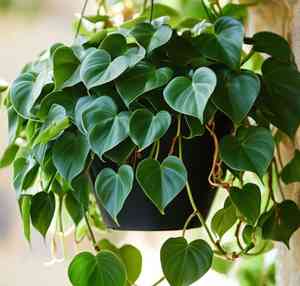
Soil is essential for supplying vital nutrients to your Heartleaf philodendron. Roots take up dissolved nutrients from the soil water, which are crucial for the plant's development and overall vitality. A properly formulated soil mix guarantees a balanced intake of macro and micronutrients. A nutrient-dense soil is particularly beneficial for the glossy, heart-shaped foliage characteristic of this beloved houseplant.
Moisture Retention
Water retention is another crucial aspect that makes selecting the correct soil indispensable. The growing medium should hold sufficient moisture to keep your Heartleaf philodendron hydrated without becoming waterlogged. This balance helps avoid issues like root rot, ensuring your plant stays healthy. Incorporating soil conditioners like peat moss can enhance water retention while still allowing excess water to escape.
Air Circulation
Good air circulation within the soil enables roots to access oxygen, which is vital for cellular respiration and overall root health. It also prevents soil compaction, which can impede root expansion and lead to poor plant development. Components like perlite and coarse sand can improve soil aeration, facilitating optimal growth for your Heartleaf philodendron's roots.
Optimal Soil Characteristics for Heartleaf Philodendron
Effective Drainage
A primary requirement for any Heartleaf philodendron is soil that drains well. Poorly draining soil can cause water to accumulate around the roots, heightening the risk of root rot. To ensure adequate drainage, mix in elements such as perlite, vermiculite, or coarse sand into your soil. These materials create pores in the soil, allowing water to flow through freely and preventing sogginess.
Rich in Nutrients
A growing medium abundant in nutrients is vital for the robust growth of your Heartleaf philodendron. Utilizing organic matter like compost or aged manure enriches the soil with essential nutrients for plant vigor. Regular application of a balanced liquid fertilizer can also help maintain nutrient levels, fostering lush foliage and strong development.
Slightly Acidic to Neutral pH Level
The ideal pH range for Heartleaf philodendron soil is between 5.5 and 6.5, which is from mildly acidic to neutral. This pH level optimizes the plant's ability to absorb and utilize nutrients. You can check your soil's pH with a home testing kit and adjust it with lime to increase pH or sulfur to decrease pH if necessary.
Superior Soil Blend for Heartleaf Philodendron
Recommended Constituents
The best soil blend for your Heartleaf philodendron comprises a mix of components that enhance drainage, provide nourishment, and ensure aeration. These generally include perlite or vermiculite, peat moss or coco coir, and compost or aged manure. These ingredients create a balanced environment perfect for root development.
Homemade Soil Mix Recipe
Crafting your own soil blend is straightforward and rewarding. You can combine two parts peat moss or coco coir, one part perlite or vermiculite, and one part compost or aged manure. This formula offers the perfect equilibrium of moisture retention, drainage, and nutrient delivery to ensure your Heartleaf philodendron thrives.
Common Soil Issues and Resolutions
Insufficient Drainage
Poor drainage can lead to root rot and other fungal infections. To correct inadequate drainage, you can repot your Heartleaf philodendron using a well-draining mixture and ensure the container has ample drainage holes. Incorporating perlite or pumice can also improve soil aeration and water flow.
Nutritional Deficiencies
Nutrient shortfalls can manifest as yellowing leaves, stunted development, or poor leaf formation. Consistent feeding of your Heartleaf philodendron with a balanced liquid fertilizer can help correct these deficiencies. Ensuring the soil mix is abundant in organic matter is also beneficial.
Pest Management
Pests such as fungus gnats often thrive in overly damp soil. Maintaining appropriate watering habits and good soil aeration can help prevent pest infestations. In the event of an outbreak, consider using natural solutions like neem oil or insecticidal soap.
Seasonal Soil Care Advice
Spring and Summer Care
During the active growth season in spring and summer, your Heartleaf philodendron will benefit from regular fertilization and consistent hydration. Frequently checking soil moisture and applying a balanced liquid fertilizer every 4-6 weeks will support its vibrant growth.
Fall and Winter Care
In fall and winter, the growth of your Heartleaf philodendron slows down. Reduce the frequency of watering to avoid waterlogged soil and decrease feeding to every 8-10 weeks. Ensuring adequate light during these months can also help maintain the plant's health.



