Optimal Soil for Growing Aphrodite's phalaenopsis: What You Need to Know
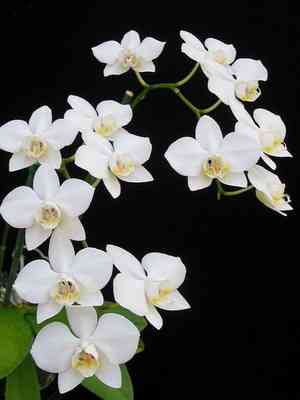
1
Aphrodite's phalaenopsis flourishes best with a soil acidity between 5.5 and 6.5.
2
Specialized orchid potting blends enhance water flow and air circulation, vital for robust roots.
3
Consistent re-potting every one to two years helps sustain ideal substrate quality.
What are the Soil Requirements for Aphrodite's phalaenopsis?
Key Characteristics of Ideal Soil
For Aphrodite's phalaenopsis, the soil type is a critical element. The perfect medium must drain efficiently to prevent waterlogging and root decay. Furthermore, the soil needs good aeration, as the roots of Aphrodite's phalaenopsis require ample airflow to flourish. It's also vital for the soil to retain some moisture without becoming saturated, ensuring roots stay hydrated but not waterlogged. A medium with these traits promotes robust and healthy plant growth.
Why Orchid-specific Soil Mixes are Beneficial
Orchid-specific potting mixes are formulated for the unique needs of orchids, making them highly advantageous for Aphrodite's phalaenopsis. These blends often contain bark, perlite, and charcoal, which enhance drainage and prevent compaction. This ensures roots have ample room to breathe and expand. Additionally, these components reduce the risk of fungal infections, leading to a more resilient plant less prone to diseases.
How to Prepare Soil for Aphrodite's phalaenopsis?
Ingredients for a Custom Orchid Soil Mix
Crafting a personalized orchid soil mix for Aphrodite's phalaenopsis requires selecting the correct components. Here's what you'll need:Bark chips: Preferably medium-sized, for excellent drainage.Perlite: To maintain the mix's aeration and structure.Charcoal: Helps filter impurities and keep the soil fresh.Sphagnum moss: Adds a touch of moisture retention without making the mix too wet.
Step-by-Step Soil Preparation
Follow these instructions to prepare the ideal soil for your Aphrodite's phalaenopsis:Gather all necessary items â bark chips, perlite, charcoal, and sphagnum moss.Combine 50% bark chips, 25% perlite, 15% charcoal, and 10% sphagnum moss in a large container.Ensure the components are uniformly distributed throughout the mixture.Test the mix's moisture retention by adding a little water and confirming it drains quickly but retains slight dampness.Your custom orchid blend is now ready for use!
Can You Use Regular Potting Soil for Aphrodite's phalaenopsis?
Drawbacks of Standard Potting Soil
While using standard potting soil for Aphrodite's phalaenopsis might seem convenient, it can harm the plant. Typical potting soil tends to hold too much moisture and lacks the necessary aeration, leading to waterlogged and dense roots. This environment can cause root rot and other fungal issues, severely impacting the plant's health and development.
Alternative Solutions for Potting
If specialized orchid soil mixes are unavailable, alternative options exist. Combining materials like coconut husk chips, clay pellets, and even pieces of wine cork can create a suitable airy blend. However, it's always best to opt for an orchid-specific mix to ensure your Aphrodite's phalaenopsis thrives.
Aphrodite's phalaenopsis Soil Maintenance Tips
Frequency of Soil Replacement
To maintain optimal soil conditions for your Aphrodite's phalaenopsis, it's advisable to repot the plant every 1 to 2 years. This schedule helps refresh the soil, ensuring the mix remains well-draining and aerated. Repotting also allows for root inspection and removal of any dead or decaying parts.
Signs of Poor Soil Quality
Recognizing indicators of substandard soil quality is crucial for timely intervention. Signs include a noticeable reduction in drainage, an unpleasant smell, or the presence of mold or pests in the soil. If any of these signs appear, it's vital to replace the soil immediately to prevent harm to the plant.
What are Common Soil Problems for Aphrodite's phalaenopsis?
Identifying Soil Pests
Common pests affecting the soil of Aphrodite's phalaenopsis include fungus gnats and root mealybugs. Signs of these pests include visible insects near the soil and stunted plant growth. To manage them, use neem oil or insecticidal soap, and ensure the soil isn't excessively wet.
Resolving Soil-Related Diseases
Soil-related diseases, such as root rot, typically result from inadequate drainage and overly moist conditions. If your orchid exhibits disease symptoms, like yellowing leaves or soft roots, it's essential to repot the plant into fresh, well-draining soil without delay. Trimming off any affected roots can also aid the plant's recovery.



