Optimal Soil for Growing Egyptian starcluster: What You Need to Know
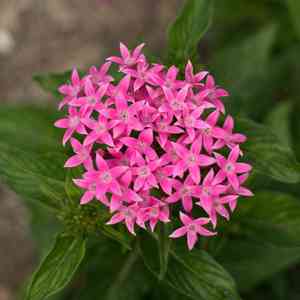
1
Pentas lanceolata thrives in soil that drains effectively to avoid root decay.
2
An optimal soil acidity level for Pentas lanceolata ranges from 6.5 to 7.5.
3
Consistent soil analysis assists in preserving the vitality and vigor of your Pentas lanceolata.
Optimal Soil Type for Egyptian Starcluster
Soil Makeup
The Egyptian starcluster flourishes best in loamy earth, which provides a balanced mix of sand, silt, and clay. This blend ensures the soil is well-aerated and drains effectively, preventing the common problem of root decay. Sandy soil is not advised as it drains too rapidly, while heavy clay soil holds too much moisture. Incorporating organic material like compost or peat moss can improve soil structure, creating an ideal environment for your plant's roots.
Soil pH Levels
Maintaining the correct soil pH is vital for nutrient absorption. The Egyptian starcluster prefers a pH level between 6.5 and 7.5. This slightly acidic to neutral range helps the plant absorb essential nutrients efficiently. You can test the soil pH using a home kit or send a sample to a local extension service. If the pH is too low, adding lime can raise it, while sulfur can help lower it if the pH is too high.
Preparing Soil for Egyptian Starcluster
Choosing the Right Potting Mix
When preparing soil for your Egyptian starcluster, selecting the appropriate potting mix is the initial step. Seek a high-quality, well-draining potting mix specifically formulated for blooming plants. Avoid garden soil that may compact easily in containers. You can also create your own mix by combining equal parts of potting soil, perlite, and organic compost. This ensures the soil remains airy and provides a consistent supply of nutrients.
Adding Amendments for Better Drainage
To further enhance soil drainage, especially for potted Egyptian starcluster, consider adding coarse sand or perlite. These additives help prevent waterlogging by increasing porosity and improving airflow around the roots. Aim for a mix that feels crumbly and light to the touch. Additionally, incorporating vermiculite can help retain moisture without hindering drainage, making it beneficial for warmer climates.
Soil Testing and Amendment Frequency
Frequency of Soil Testing
Regular soil testing is crucial for maintaining healthy Egyptian starcluster plants. Ideally, test your soil at least twice a year, in early spring and late summer. This schedule helps you monitor pH levels and nutrient availability before and after the growing season. You can use at-home soil test kits for a quick assessment or contact your local agricultural extension office for more detailed analyses.
Amending Soil with Nutrients
Based on soil test results, you might need to amend your soil to ensure optimal growth. For instance, if your soil lacks essential nutrients like nitrogen, phosphorus, or potassium, consider using a balanced, slow-release fertilizer during the planting phase. Organic options like compost tea or fish emulsion can also provide necessary nutrients, promoting lush foliage and vibrant blooms throughout the growing season.
Preventing Common Soil-Related Issues
Addressing Soil Compaction
Soil compaction is a common problem that can impede the growth of your Egyptian starcluster. Compacted soil restricts root development and limits water and nutrient uptake. To prevent this, regularly aerate the soil by gently turning it with a garden fork. Adding organic matter like compost can also improve soil structure, making it more pliable and less prone to compaction.
Identifying and Treating Soil Pests
Egyptian starcluster may occasionally fall victim to soil pests like nematodes, larvae, or root rot-causing fungi. Signs of infestation include wilting, yellowing leaves, or stunted growth. To manage pests, practice good soil hygiene by removing dead plant material and avoiding overwatering. Introducing beneficial nematodes can help control harmful pests, and fungal issues might require fungicidal treatments or soil solarization techniques.
Maintaining Optimal Soil Health for Egyptian Starcluster
Regular Monitoring Tips
Consistent monitoring is key to sustaining soil health for your Egyptian starcluster. Check the soil moisture level by inserting your finger about 2-3 inches (5-7 cm) deep. If it feels dry, it's time to water. Keep an eye on the leaf coloration and growth patterns as these can indicate soil health issues. Using mulch can help retain moisture and regulate soil temperature, adding an extra layer of protection.
Best Practices for Sustained Soil Fertility
To maintain soil fertility, adopt practices like crop rotation for garden beds and periodically refreshing potted soil. Incorporate organic fertilizers and compost regularly to replenish nutrients. Avoid over-fertilizing, as too much can be detrimental. Instead, follow a balanced feeding schedule appropriate for the Egyptian starcluster, typically every 4-6 weeks during the growing season. Staying vigilant with these practices ensures your plants stay healthy and vibrant year-round.



