Optimal Soil for Growing Oriental poppy: What You Need to Know
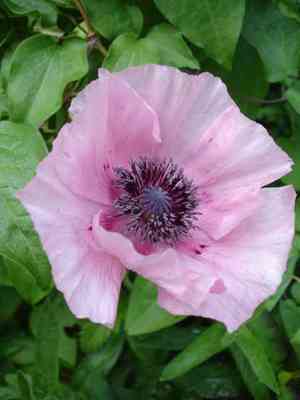
1
Oriental poppies flourish optimally in soil with a pH range of 6.5 to 7.5.
2
Confirm your Oriental poppy specimens are planted in soil that drains effectively to avoid root decay.
3
Incorporating organic material enhances nutrient levels and also refines soil structure and water permeability.
The Importance of Soil for Oriental Poppies
Nutrient Delivery
Soil serves as the primary medium through which your Oriental poppy acquires vital nutrients. These plants necessitate a balanced supply of nitrogen, phosphorus, and potassium for robust growth. Nutrient-rich soil ensures your poppies develop strongly and produce vivid blooms. Consider applying a balanced fertilizer if your soil lacks nutrients, but avoid excessive fertilization, as this can lead to abundant foliage at the expense of flowers.
Root Respiration
An appropriate soil structure facilitates sufficient air circulation to the roots of the Oriental poppy. Aeration is critical because roots require oxygen to efficiently absorb water and nutrients. Dense soil can suffocate roots, resulting in poor plant vitality and stunted development. To maintain proper aeration, routinely check the soil's texture and consider adding organic materials like compost or peat to keep it loose and airy.
Moisture Retention and Runoff
Balanced water retention and drainage are crucial for the healthy development of Oriental poppy. While these plants need moisture, excessive water can cause root decay. Well-draining soil allows surplus water to escape, preventing it from accumulating around the roots. You can enhance water management by incorporating sand and gravel into your soil blend, ensuring your poppies receive the correct amount of moisture.
Optimal Soil Composition for Oriental Poppies
Loamy Soil
Loamy soil is considered ideal for Oriental poppy due to its perfect blend of sand, silt, and clay. This soil type offers excellent drainage while retaining necessary moisture and nutrients. You can create a loamy soil mix by combining garden soil with equal parts of compost and sand. This mixture ensures your Oriental poppy have the perfect environment to flourish.
Preferred pH Levels
Oriental poppy thrive best in a soil pH range of 6.5 to 7.5, which is slightly acidic to neutral. Maintaining this pH range enables the plants to absorb nutrients effectively. You can test your soil pH using a home kit or by sending a sample to a local agricultural extension service. If your soil is too acidic or alkaline, amendments like lime or sulfur can help adjust the pH to the desired range.
Amending Soil for Oriental Poppies
Organic Matter
Incorporating organic materials such as compost, well-decomposed manure, or leaf mold can significantly enhance the nutrient content and structure of your soil. Organic matter improves moisture retention and fosters beneficial microbial activity, which supports root health. Spread a layer of organic matter over the planting area and work it into the top 20-30 cm (8-12 inches) of soil to boost fertility and aeration.
Sand and Gravel
Adding sand and gravel to your soil mixture can improve drainage, especially in areas where the soil tends to compact or hold too much water. Mix these materials into the topsoil to a depth of about 15-20 cm (6-8 inches). This addition not only aids in drainage but also prevents waterlogging, which can be harmful to Oriental poppy.
Common Soil Issues and Solutions for Oriental Poppies
Compacted Soil
Compacted soil restricts root growth and reduces aeration, which can stress your Oriental poppy and hinder their development. To alleviate compaction, perform regular soil aeration using a garden fork or aerator. Incorporating organic matter and avoiding heavy machinery or excessive foot traffic in the planting area can also help maintain a loose soil structure.
Poor Drainage
Soil that drains poorly can lead to root rot and other moisture-related problems for Oriental poppy. If you observe standing water or excessively wet soil, consider amending the soil with perlite, sand, or gravel to improve drainage. Alternatively, you can plant your poppies in raised beds to ensure better water management.
FAQs on Oriental Poppy Soil Needs
How often should I test soil for Oriental poppy?
It's advisable to test the soil every 2-3 years or whenever you notice significant changes in plant health or growth. Regular testing helps you stay informed about nutrient levels and pH balance, allowing for timely amendments to ensure optimal soil conditions for your Oriental poppy.
Can Oriental poppy grow in clay soil?
Oriental poppy can struggle in clay soil because it tends to be dense and poorly draining. However, you can amend clay soil by adding organic matter and sand to improve its texture and drainage. Alternatively, consider cultivating your poppies in raised beds with a well-draining soil mix for superior results.



