Optimal Soil for Growing Drooping prickly pear: What You Need to Know
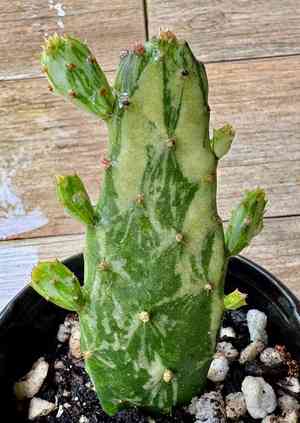
1
Drooping prickly pear thrives best in soil with a pH ranging from 6 to 7.5, which facilitates maximum nutrient uptake.
2
Provide superior drainage in containers or garden areas to avoid root rot, a condition highly damaging to Drooping prickly pear.
3
Incorporating sand and grit into the growing medium enhances aeration, contributing to robust and healthy root development.
Optimal Soil Medium for Drooping prickly pear
Soil with Excellent Drainage
For Drooping prickly pear, soil that drains exceptionally well is essential. This specific cactus type suffers greatly from waterlogged environments, which frequently lead to root decay. Naturally, these plants thrive in dry, rocky terrains where water quickly dissipates. To replicate these conditions, ensure your soil mixture allows water to flow through effortlessly. A specialized cactus or succulent potting blend, widely available at garden centers, offers a good foundation for achieving the correct balance.
Components for Sandiness and Grittiness
Enhance the soil's drainage capabilities by incorporating sandy and gritty elements. When preparing your soil, include coarse sand, perlite, or small gravel to improve the mixture. These additives not only boost drainage but also introduce aeration to the soil, facilitating root respiration. You can create a blend composed of 50% potting mix and 50% coarse materials for peak performance.
Organic Content and pH Levels
Although Drooping prickly pear favors a sandy soil composition, integrating a small amount of organic matter can enrich its nutrient profile. A modest addition of compost or well-decomposed manure can be mixed in to boost fertility. It's also vital to maintain the soil pH between 6 and 7.5, as this range supports maximum nutrient absorption. Periodically test your soil's pH and make adjustments if needed, using lime to increase pH or sulfur to decrease it.
Preparing Soil for Drooping prickly pear Cultivation
Combining Appropriate Constituents
To formulate the ideal soil blend for Drooping prickly pear, begin by gathering your components: a cactus potting mix, coarse sand, and perlite or pumice. Mix these items in a large container or directly within your garden plot. Aim for a concoction where each ingredient is present in equal measure to guarantee proper drainage and air circulation. Blend thoroughly to ensure uniform distribution of all particles.
Ensuring Sufficient Water Runoff
When planting Drooping prickly pear, whether in a pot or directly in the ground, effective drainage is paramount. If using a container, confirm it possesses adequate drainage apertures. For garden beds, constructing raised beds can improve water dissipation. Additionally, place a layer of gravel or small stones at the base of the planting site to encourage extra drainage, preventing water from accumulating around the roots.
Sanitizing the Growing Medium
Sterilizing your soil mixture prior to planting can help prevent pests and diseases. For small quantities of soil, baking it in an oven at 180°F (82°C) for approximately 30 minutes can be effective. For larger garden areas, solarization is a useful method: cover the soil with transparent plastic sheeting during the warmest part of summer for 4-6 weeks. The heat generated will eliminate most pathogens and weed seeds, fostering a healthier environment for your Drooping prickly pear.
Enhancing Soil Quality for Drooping prickly pear
Supplementing with Sand
If your soil appears too compact, incorporate additional sand to improve its texture and drainage. Sandy soils are preferred because they replicate the dry, fast-draining conditions in which Drooping prickly pear thrives. Gradually mix in coarse sand, assessing the soil's drainage capacity through water tests until the desired consistency is achieved.
Utilizing Perlite or Pumice
Perlite and pumice are superb amendments for boosting soil aeration and drainage. These lightweight volcanic substances create air spaces in the soil, aiding root access to oxygen. Blend up to 30% perlite or pumice into your soil to observe immediate improvements in its drainage characteristics, thus supporting a robust root system for your Drooping prickly pear.
Incorporating Composted Material
While compost is nutrient-rich, it should be used sparingly with Drooping prickly pear to avoid overly fertile soil. A minor addition of compost can improve soil fertility without compromising the essential well-draining properties required by this cactus. Aim for a ratio where compost constitutes no more than 20% of the total soil mixture.
Typical Soil Issues for Drooping prickly pear and Their Solutions
Soil Consolidation
Soil consolidation reduces pore spaces, impeding root development and water penetration. To relieve compaction, regularly aerate the soil by gently tilling it or employing specialized aeration tools. Incorporating organic materials like compost can also help maintain a loose and permeable soil structure.
Excessive Watering and Inadequate Drainage
One of the most significant dangers to Drooping prickly pear is over-watering combined with poor drainage. Ensure you irrigate your cactus only when the upper 2-3 inches (5-7.5 cm) of soil are dry. If you notice that water still does not drain quickly, you may need to further amend the soil with more sand or gravel. Always check the moisture level before applying water.
Nutrient Deficiencies
Yellowing pads or stunted development can signal a lack of essential nutrients. Perform a soil analysis to identify missing nutrients and amend the soil accordingly. A balanced, slow-release fertilizer designed for cacti can supply vital nutrients without overwhelming the plant.



