Optimal Soil for Growing Eastern prickly pear: What You Need to Know
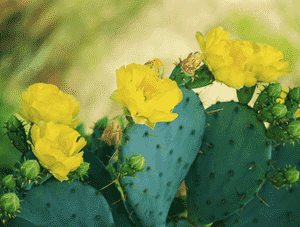
1
Eastern prickly pear flourishes in sandy, porous soil types.
2
Periodically test the soil's pH level, aiming for a range of 6 to 7.5 for optimal development.
3
For Eastern prickly pear grown in pots, contemplate utilizing a potting blend formulated for cacti or succulents.
What Kind of Substrate Does Eastern prickly pear Prefer?
Substrate Makeup and Texture
Eastern prickly pear thrives in a sandy, light substrate. This type of medium emulates its native desert environment, allowing roots to easily penetrate and access essential nutrients. An ideal blend would include sand, fine gravel, and a small amount of organic material for structure and nutrient retention.
Drainage Requirements
Effective drainage is crucial for the well-being of Eastern prickly pear. Substrates that hold excessive moisture can cause root rot, a frequent problem for many cactus varieties. Ensure the planting location or pot has superior drainage. Adding materials like perlite or pumice to the substrate can enhance aeration and water flow.
Substrate pH Level
Eastern prickly pear flourishes in a substrate pH between 6 and 7.5, which is slightly acidic to neutral. It's advisable to test your substrate before planting. If the pH falls outside this range, you might need to modify the substrate to achieve optimal conditions. Maintaining this pH balance guarantees proper nutrient availability for the plant.
How to Enhance Substrate for Eastern prickly pear?
Additives for Improved Drainage
To boost substrate drainage, consider incorporating coarse sand, gravel, or specialized amendments like perlite or pumice. These components improve substrate structure, preventing water from accumulating around the roots. For garden beds, elevated beds can also promote better drainage.
Adjusting Substrate pH
If your substrate pH is too low (acidic) or too high (alkaline), use substrate amendments to correct it. Agricultural lime can elevate pH levels, making the substrate less acidic, while sulfur can reduce it. Regular substrate testing will help you monitor these adjustments to maintain a stable pH within the desired range of 6 to 7.5.
Supplying Nutrients
Eastern prickly pear generally doesn't demand rich substrate, but applying some balanced, slow-release fertilizer can boost growth, especially in nutrient-deficient substrates. Organic matter such as compost can offer gentle nourishment without risking over-fertilization, which can harm the plant.
Typical Substrate Issues and Solutions for Eastern prickly pear
Compacted Substrate
Compacted substrate restricts root development and hinders proper water and air circulation. To address this, regularly loosen the substrate around the plants. Incorporating organic material, such as compost or mulch, can also help maintain substrate aeration.
Poor Drainage
Inadequate drainage often leads to root rot and fungal infections. If your planting site has heavy clay substrate, consider constructing raised beds or adding sand and gravel to improve drainage. In containers, ensure pots have drainage holes and use a well-draining substrate mix.
Nutrient Deficiencies
Yellowing pads or stunted growth can signal nutrient deficiencies. Periodic substrate tests can identify these problems. Rectify them by applying the appropriate fertilizers or substrate amendments. A balanced cactus fertilizer during the active growing season can provide necessary nutrients.
Recommended Substrate Blends for Container-grown Eastern prickly pear
Homemade Substrate Mix Recipe
Crafting your own substrate mix for Eastern prickly pear is simple. Combine equal parts coarse sand, potting substrate, and perlite or pumice. This blend ensures excellent drainage, aeration, and sufficient nutrient supply. Customize the mix by adjusting ingredient ratios based on your plant's requirements and growing conditions.
Commercial Substrate Mix Options
For those preferring ready-to-use solutions, commercial cactus or succulent potting mixes are superb choices. These mixes are specifically formulated to meet the drainage and nutritional needs of cacti, offering a convenient and effective growing medium for container-grown Eastern prickly pear.



