Optimal Soil for Growing Love-in-a-mist: What You Need to Know
1
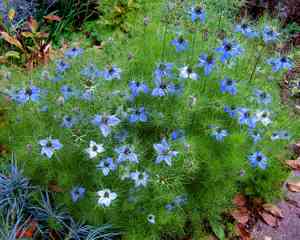
Nigella damascena flourishes in soil that drains well, is sandy or loamy, and has a pH ranging from 6.5 to 7.5.
2
Incorporate organic material into the soil to improve its richness and composition.
3
Periodic soil analysis assists in preserving optimal cultivation environments for your flora.
Preferred Soil Type for Love-in-a-mist
Well-Draining Substrate
Love-in-a-mist thrives best in soil that drains effectively. Poor drainage can lead to waterlogged conditions, causing root rot. Ensuring proper drainage is essential to prevent these issues. You can achieve this by incorporating sand or fine gravel into your garden soil to enhance its drainage capabilities.
Sandy or Loamy Composition
Sandy or loamy soil types are optimal for Love-in-a-mist. These soils are light and friable, promoting easy root development and aeration. A loamy soil composition is particularly advantageous as it retains moisture without becoming saturated and is rich in vital nutrients.
Soil pH Level
For optimal growth, Love-in-a-mist prefers soil with a pH level between 6.5 and 7.5. This neutral to slightly acidic range supports better nutrient absorption. You can assess your soil's pH level using a home testing kit from garden centers or submit a sample to a local agricultural extension office for more precise results.
Preparing Soil for Love-in-a-mist
Weed and Debris Removal
Prior to planting Love-in-a-mist, it's crucial to clear the soil of any weeds and unwanted material. Weeds compete with your plants for nutrients and water, so their removal ensures your Love-in-a-mist can flourish. Utilize a hoe or garden fork to eliminate any undesirable vegetation from the planting area.
Enriching Soil with Organic Matter
Incorporating organic matter, such as compost or well-rotted manure, boosts the soil's fertility and structure. Organic matter improves the soil's water retention and provides essential nutrients, ensuring your Love-in-a-mist plants grow robustly. Aim to mix about 2 to 3 inches (5 to 7.5 cm) of compost into the top 6 inches (15 cm) of soil.
Ensuring Adequate Drainage
Proper drainage is vital to prevent waterlogging, which can harm Love-in-a-mist plants. If your soil is heavy clay or compacted, consider establishing raised beds or using containers to enhance drainage. You can also add coarse sand or perlite to the soil to facilitate better water movement.
Maintaining Soil Health for Love-in-a-mist
Regular Soil Analysis
Periodically test your soil to ensure it stays within the desired pH range of 6.5 to 7.5 and maintains its nutrient balance. Regular soil tests can identify any deficiencies or imbalances, allowing you to amend the soil as needed. Soil testing kits are available at garden centers, or you can send samples to local agricultural services for a detailed analysis.
Mulching Practices
Applying mulch around your Love-in-a-mist plants helps retain soil moisture, suppresses weed growth, and adds organic matter as it breaks down. Use organic mulch, such as straw, wood chips, or compost, and apply a 2 to 3 inches (5 to 7.5 cm) thick layer around your plants, avoiding direct contact with the stems.
Preventing Soil Compaction
Soil compaction can hinder root growth and reduce drainage, negatively impacting Love-in-a-mist plants. To prevent compaction, avoid walking on garden beds and use raised beds if feasible. Regularly aerate the soil by lightly tilling or using a garden fork to loosen it, ensuring improved air and water penetration.



