Optimal Soil for Growing Tobacco: What You Need to Know
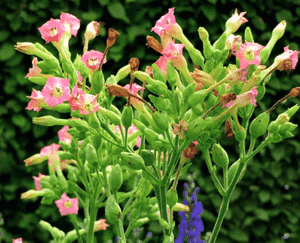
1
Tobacco plants flourish in fertile, well-draining loamy earth abundant in organic material.
2
The ideal soil pH for Tobacco ranges from 6.5 to 8.
3
Soil high in nutrients, especially nitrogen, can greatly improve Tobacco plant development.
Optimal Soil Conditions for Tobacco Cultivation
pH Levels
For robust Tobacco growth and superior leaf quality, maintaining the correct soil pH is vital. The ideal soil pH range for Tobacco is between 6.5 and 8. This slightly acidic to neutral pH facilitates better nutrient uptake and root development. You can assess soil pH with a simple home kit and adjust as needed. If pH is too low, add lime to increase it; if too high, sulfur can help lower it.
Soil Texture
Tobacco plants thrive in loamy soil, which is a balanced blend of sand, silt, and clay. This texture ensures good air circulation, adequate moisture retention, and easy root penetration. If your soil is excessively sandy or clayey, consider enriching it with organic materials like compost to enhance its texture. The aim is to achieve a crumbly, easily workable soil.
Soil Drainage
Effective drainage is crucial for Tobacco plants, as waterlogged soil can cause root rot and other fungal infections. Ensure your planting area has proper drainage by incorporating organic matter, which improves soil structure and drainage capacity. Raised beds can also be an effective solution for areas prone to excessive moisture.
Nutrient Requirements
Tobacco plants are heavy feeders and demand nutrient-rich soil. Key nutrients include nitrogen (N), phosphorus (P), and potassium (K). Nitrogen supports leafy growth, phosphorus aids root development, and potassium boosts overall plant vigor and disease resistance. Perform a soil test to determine existing nutrient levels and plan your fertilization strategy accordingly.
Preparing Soil for Tobacco Planting
Soil Testing
Conducting a soil test is the initial step in preparing soil for Tobacco planting. Soil tests reveal current pH levels, nutrient content, and other characteristics. This data helps you make informed decisions about necessary amendments. You can purchase a soil test kit from a local garden center or send samples to a professional lab for detailed analysis.
Soil Amendments
Based on soil test results, you might need to modify your soil. Common amendments include lime or sulfur to adjust pH, and organic matter such as compost, manure, or green manure to enhance soil fertility and texture. Fertilizers rich in nitrogen, phosphorus, and potassium should also be added according to the specific nutrient needs of your soil.
Tilling and Aeration
Tilling the soil helps break up compacted layers, integrate amendments, and aerate the soil. Aeration is vital for root growth and water infiltration. Use a rototiller or garden fork to till the soil to a depth of approximately 30 cm (12 inches), ensuring it is loose and well-draining.
Mulching
Mulching involves covering the soil surface around Tobacco plants with organic materials like straw, leaves, or shredded bark. Mulch helps retain moisture, stabilize soil temperature, suppress weeds, and adds organic matter to the soil as it breaks down. Apply mulch about 5-7 cm (2-3 inches) thick, ensuring it's not piled against the plant stems.
Addressing Common Soil Issues for Tobacco
Soil Erosion
Soil erosion can be a significant challenge for Tobacco plants, especially on sloped terrain. To prevent erosion, utilize ground covers, contour farming, and terracing. Plant cover crops like clover or rye that bind the soil and reduce the impact of water runoff.
Nutrient Deficiencies
Nutrient deficiencies manifest in various ways, such as yellowing leaves (nitrogen deficiency) or poor root development (phosphorus deficiency). Correct deficiencies by applying appropriate fertilizers and conducting regular soil tests to monitor nutrient levels.
Soil Compaction
Compacted soil hinders root growth and water penetration. Prevent compaction by avoiding heavy machinery on wet soil and incorporating organic matter. Aerate compacted soil using tools like a garden fork or mechanical aerator to loosen it and encourage healthy root systems.
Waterlogging
Excessive water can suffocate Tobacco roots, leading to root rot. Improve drainage by amending soil with organic matter, creating raised beds, and ensuring proper planting site selection. Avoid overwatering and provide adequate spacing between plants for better air circulation.
Optimal Soil Practices for Healthy Tobacco Growth
Crop Rotation
Rotate Tobacco with unrelated crops to minimize soil-borne diseases and pest accumulation. For instance, rotating Tobacco with legumes can help naturally restore soil nitrogen levels.
Composting
Incorporate compost into the soil to boost its organic matter content. Composting adds nutrients, improves soil texture, and fosters beneficial microbial activity. Add compost during soil preparation and as a side dressing throughout the growing season.
Cover Crops
Planting cover crops such as clover, rye, or alfalfa helps enhance soil structure, prevent erosion, and increase soil fertility. Cover crops can be tilled into the soil as green manure before planting Tobacco to enrich organic matter content.
Organic Fertilizers
Utilize organic fertilizers from sources like compost, manure, bone meal, and fish emulsion to supply essential nutrients for Tobacco. Organic fertilizers release nutrients gradually, improving soil health and promoting sustainable farming practices.



