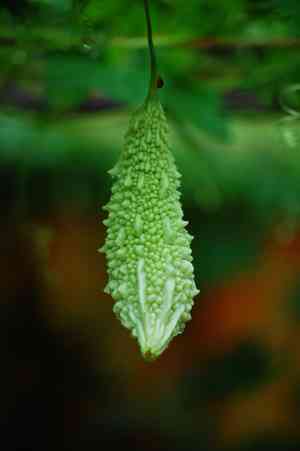
Optimal Soil for Growing Bitter melon: What You Need to Know
1
Cultivating Bitter melon in rich, well-draining soil aids in superior water runoff and nutrient access.
2
Keep the soil's acidity level between 6.5 and 7.5 for Bitter melon's best development.
3
Adding natural materials such as compost significantly improves the soil's richness and composition.
Optimal Soil Type for Bitter Melon Cultivation
Loamy Soil Characteristics
For cultivating Bitter melon, loamy soil is highly recommended. This soil type features a balanced blend of sand, silt, and clay, resulting in a fine texture that promotes both moisture retention and efficient drainage. Loamy soil is fertile and nutrient-rich, which is crucial for the robust development of Bitter melon. Its balanced composition supports strong root growth and ensures adequate aeration, providing the necessary oxygen for your plant.
Assessing Soil Texture
Prior to planting Bitter melon, it's important to evaluate your soil's texture. A simple home test involves taking a handful of damp soil and forming it into a ball. If the ball holds its shape but crumbles easily when prodded, your soil is likely loamy. Alternatively, you can use a soil testing kit, available at garden centers, to determine the precise proportions of sand, silt, and clay. Understanding your soil's texture will help you make necessary adjustments for an ideal growing environment.
Avoiding Clay and Sandy Soils
While loamy soil is perfect, it's best to steer clear of clay and sandy soils for Bitter melon. Clay soil tends to hold too much water, leading to poor drainage and potential root rot. Conversely, sandy soil drains too rapidly and struggles to retain nutrients, which can deprive your plant of essential nourishment. If you have either of these soil types, consider incorporating organic matter to enhance its texture and fertility.
Ensuring Proper Soil pH for Bitter Melon
Ideal pH Range
For Bitter melon to flourish, maintaining a soil pH between 6.5 and 7.5 is crucial. This slightly acidic to neutral range ensures that vital nutrients are readily available for absorption by the plant's roots. If the pH deviates significantly from this range, certain nutrients may become unavailable, leading to deficiencies and stunted growth.
pH Measurement Techniques
Measuring your soil's pH doesn't have to be difficult. You can acquire a soil pH testing kit from a gardening supply store or opt for an electronic pH meter for more precise readings. To test, collect soil samples from various areas of your garden, combine them, and test the mixed sample. These methods will provide a clear understanding of your soil's pH, enabling you to make informed adjustments.
Adjusting Soil pH
If your soil's pH falls outside the optimal range for Bitter melon, you'll need to modify it. To increase pH (make it more alkaline), you can add lime to your soil. Conversely, to decrease pH (make it more acidic), sulfur or organic materials like pine needles can be incorporated. Always adhere to product instructions and re-test the soil pH after a few weeks to confirm the desired changes have occurred.
Enriching Soil Nutrients for Bitter Melon
Essential Nutrients
Like all plants, Bitter melon requires a variety of essential nutrients for vigorous growth. Key nutrients include nitrogen (for foliage development), phosphorus (for root establishment), and potassium (for overall plant health). Micronutrients such as calcium, magnesium, and iron are also important. Providing a balanced nutrient supply through the soil is vital for the plant's life cycle.
Organic Matter Integration
Adding organic matter like compost, well-decomposed manure, or leaf mold can significantly boost soil fertility and structure for Bitter melon. Organic matter improves soil moisture retention, offers slow-release nutrients, and encourages beneficial microbial activity. Simply blend organic matter into the top 15-20 centimeters (6-8 inches) of soil before planting.
Fertilizer Application
While organic matter provides a strong nutrient foundation, fertilizers can quickly address specific nutrient requirements. A balanced, slow-release fertilizer with a 10-10-10 N-P-K ratio is generally suitable for Bitter melon. Exercise caution to avoid over-fertilization, as this can damage plant roots and hinder growth. Fertilize every 4-6 weeks during the active growing season for optimal results.
Effective Drainage Solutions for Bitter Melon
Importance of Drainage
Adequate drainage is critical when cultivating Bitter melon. Poor drainage can lead to waterlogged soil, which often results in root rot and other fungal diseases. Ensuring that excess water can escape from the soil can be the difference between a thriving garden and a failed harvest.
Improving Drainage
Several methods can be employed to enhance soil drainage. Incorporating organic materials such as compost or shredded leaves can improve soil structure and porosity. For dense clay soils, consider adding coarse sand or perlite to boost drainage. If necessary, construct raised beds to guarantee good drainage and prevent water accumulation around the plant roots.
When and How to Amend Soil for Bitter Melon
Timing for Soil Amendments
Timing is crucial when amending soil for Bitter melon. The ideal time to amend soil is during the preparation phase, approximately 2-4 weeks before planting. This allows amendments to settle and integrate, creating an optimal seedbed. Amending in the fall can also prepare your garden for the subsequent planting season.
Amendment Types and Techniques
Various types of soil amendments are available, depending on your soil's specific needs. These include compost, manure, and commercial soil conditioners. Distribute the amendments evenly over your garden and mix them into the topsoil using a spade or tiller. For more specific amendments, such as lime or sulfur for pH adjustment, follow the product guidelines for application rates and methods.
Maintaining Healthy Soil for Bitter Melon Throughout the Growing Season
Regular Soil Testing
Sustaining healthy soil for Bitter melon necessitates regular testing throughout the growing season. Periodic soil tests help monitor pH levels, nutrient availability, and overall soil health. Consider testing your soil every 4-6 weeks or after any significant soil amendments to ensure optimal conditions are maintained.
Consistent Nutrient Management
Consistent nutrient management is vital for the continuous growth of Bitter melon. Apply slow-release fertilizers or top-dress with compost regularly to ensure a steady supply of nutrients. Mulching around the plants can also help preserve soil moisture and prevent nutrient leaching, further supporting healthy growth.
Preventing Soil-borne Diseases
Preventing soil-borne diseases is essential for a healthy Bitter melon crop. Practices such as crop rotation, avoiding overwatering, and using disease-resistant plant varieties can help minimize risk. Adding organic matter enhances soil resilience against pathogens, while removing and destroying any plants exhibiting disease symptoms can prevent their spread.



