Optimal Soil for Growing Sapodilla: What You Need to Know
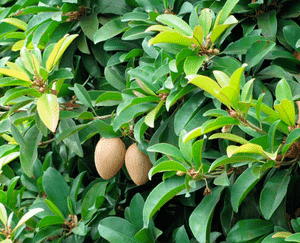
1
Sapodilla trees thrive in soil with a pH level from 6 to 7, indicating a slightly acidic to neutral state.
2
Incorporating organic material into the soil can greatly enhance its drainage and the availability of nutrients for Sapodilla.
3
Annual soil analysis, performed at least once per year, assists in maintaining ideal soil conditions for Sapodilla development.
Optimal Soil Type for Sapodilla Cultivation
Preferred pH Levels for Sapodilla Soil
Achieving the correct soil pH is vital for a thriving Sapodilla tree. Ideally, these trees flourish in soil with a pH between 6 and 7. This range facilitates prime nutrient absorption and healthy microbial activity. You can assess your soil using a home kit or by submitting a sample to a local agricultural office. If the pH is off, you can adjust it by adding lime to increase it or sulfur to decrease it.
Desired Soil Texture
Sapodilla trees prefer well-draining, loamy soil. A good soil blend should have a balanced mix of sand, silt, and clay to ensure proper aeration while retaining enough moisture without waterlogging the roots. If your garden soil is too sandy or too clayey, consider enriching it with organic matter, such as compost or aged manure, to enhance its texture and fertility.
Amending Soil for Sapodilla Growth
Enhancing Drainage
A critical step in preparing soil for Sapodilla trees is ensuring excellent drainage. Poor drainage can lead to waterlogged conditions, suffocating roots and increasing root rot risk. To improve drainage, mix organic matter like compost or peat moss into the soil. Additionally, adding sand or perlite can create a looser soil structure, promoting better water movement through the root zone.
Nutrient Enrichment
Sapodilla trees are heavy feeders and need nutrient-rich soil for vigorous growth. Enriching the soil with organic matter not only improves its texture but also boosts its nutrient content. You can add well-rotted compost or aged manure to the soil before planting. Furthermore, applying a balanced, slow-release fertilizer during the growing season can supply the necessary nutrients for healthy growth and fruit development.
Key Soil Nutrients for Sapodilla
Primary Nutrients
For Sapodilla trees to flourish, they require three main nutrients: nitrogen (N), phosphorus (P), and potassium (K). Nitrogen is crucial for leaf and stem development, phosphorus supports root growth and flowering, and potassium ensures overall plant health and disease resistance. A balanced fertilizer with a 10-10-10 N-P-K ratio can be beneficial for Sapodilla trees.
Secondary Nutrients and Micronutrients
Beyond primary nutrients, Sapodilla trees also need secondary nutrients like calcium (Ca), magnesium (Mg), and sulfur (S), as well as micronutrients such as iron (Fe), manganese (Mn), and zinc (Zn). These nutrients play vital roles in various physiological processes and overall plant health. Incorporating organic matter and using a well-balanced fertilizer can help ensure these nutrients are available in the soil.
Common Soil Issues and Solutions for Sapodilla Trees
Addressing Soil Compaction
Soil compaction is a frequent problem that can hinder root growth and reduce aeration and water infiltration. To combat soil compaction, regularly aerate the soil around your Sapodilla tree by gently loosening the top layer with a garden fork or aeration tool. Additionally, adding organic matter, such as compost or mulch, can help prevent compaction by improving soil structure.
Managing Poor Drainage
Poor drainage can be detrimental to Sapodilla trees, leading to root rot and other problems. If your soil has poor drainage, consider elevating the planting area by creating mounds or raised beds. This allows excess water to drain away from the roots. Another solution is to incorporate sand or gravel into the soil to enhance its drainage capabilities.
Frequently Asked Questions about Sapodilla Soil
Can Sapodilla Thrive in Clay Soil?
Sapodilla trees can grow in clay soil, but it requires significant amendments to ensure proper drainage. Heavy clay soil tends to retain moisture, which can lead to root rot. To make clay soil more suitable for Sapodilla, amend it with ample organic matter, such as compost or well-rotted manure, and incorporate sand or perlite to improve drainage.
How Often Should Sapodilla Soil Be Tested?
Regular soil testing is crucial for maintaining optimal growing conditions for your Sapodilla tree. It is recommended to test the soil at least once a year, ideally in early spring before the growing season begins. Soil testing will help you determine pH levels and nutrient content, allowing you to make necessary adjustments and provide the best care for your tree.



