Optimal Soil for Growing Spiny pincushion cactus: What You Need to Know
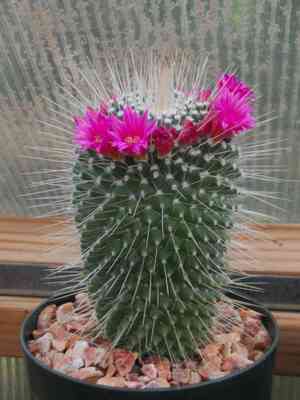
1
The ideal pH level for Spiny pincushion cactus growing medium ranges from 6 to 7.5.
2
Spiny pincushion cactus flourishes in sandy, quick-draining substrate blends.
3
Routine soil analysis aids in avoiding nutrient shortages and maintaining your Spiny pincushion cactus's vitality.
Optimal Soil Type for Spiny Pincushion Cactus
Sandy Soil Composition
The Spiny pincushion cactus flourishes in sandy substrates due to their superior drainage. Sandy soil facilitates rapid water percolation, preventing saturation that often causes root decay. To formulate a sandy soil blend, combine coarse sand, perlite, and a small amount of organic matter. This mixture ensures the soil remains loose and aerated, vital for the cactus's root system.
Excellent Drainage Qualities
Highly permeable soil is essential for the Spiny pincushion cactus. This desert-native plant is adapted to environments where moisture dissipates quickly after precipitation. A well-draining soil blend typically incorporates materials like coarse sand, perlite, and fine gravel. These components prevent excessive moisture retention, which is critical for averting root diseases and fostering robust growth.
Soil pH Levels
Maintaining the correct pH level is crucial for the Spiny pincushion cactus. This plant prefers a slightly acidic to neutral pH range of 6 to 7.5. You can monitor and adjust soil pH using testing kits found at garden centers. If the pH is too high (alkaline), adding sulfur can help lower it, while adding lime can raise the pH if it's too low (acidic).
How to Prepare Soil for Spiny Pincushion Cactus
Blending Soil Components
Crafting the ideal soil mix for Spiny pincushion cactus involves combining several elements. A recommended blend is 50% coarse sand, 20% perlite, 20% small gravel, and 10% organic material like compost. This combination ensures superb drainage while supplying adequate nutrients. Thoroughly mix these components to create a balanced, well-aerated soil that supports healthy root development.
Sterilizing Soil
Soil sterilization is a vital step to prevent pest infestations and diseases. To sterilize the soil, spread it on a baking sheet and bake it in the oven at 180°F (82°C) for approximately 30 minutes. This process eliminates harmful pathogens and pests, ensuring your cactus begins in a healthy, clean environment.
Incorporating Organic Material
While Spiny pincushion cactus prefers sandy soil, a small quantity of organic material is beneficial. Organic components such as compost provide essential nutrients that support the cactus's growth. However, avoid using too much organic material as it can retain moisture and lead to root rot. A proper balance is key; typically, 10% of the soil mix is ideal.
Common Soil Issues for Spiny Pincushion Cactus
Excessively Moist Soil
One of the most frequent problems with Spiny pincushion cactus is overly wet soil. Excessive moisture can lead to root rot and fungal infections. To prevent this, always use well-draining soil and avoid overwatering. Ensure pots have drainage holes and never let the cactus sit in standing water.
Nutrient Deficiencies
Nutrient deficiencies can appear as stunted growth or discoloration in Spiny pincushion cactus. Regularly test the soil and amend it with a balanced cactus fertilizer if needed. It's also beneficial to incorporate a slow-release fertilizer into the soil mix to provide consistent nourishment over time.
Pest Infestations
Pest infestations, such as root mealybugs, can be problematic for Spiny pincushion cactus. Good soil hygiene practices, including sterilization and the use of clean tools, can minimize the risk. If pests are detected, treat the soil with an appropriate pesticide and consider repotting the cactus in fresh, sterile soil.
Best Practices for Maintaining Soil Health
Regular Soil Analysis
Regular soil analysis is a proactive approach to maintaining soil health. Testing kits are available that measure pH, nutrient levels, and overall soil composition. By regularly checking soil conditions, you can make timely adjustments, such as modifying pH levels or adding necessary fertilizers, to ensure your Spiny pincushion cactus thrives.
Appropriate Watering Techniques
Proper watering is crucial for maintaining healthy soil conditions. Water the Spiny pincushion cactus sparingly, allowing the soil to dry out completely between waterings. During the growing season, you may water more frequently, but always check soil moisture levels before adding more water. In the winter, reduce watering significantly to mimic the cactus's natural dormant period.
Utilizing Mulch
Using mulch can help regulate soil temperature and retain moisture. However, it's essential to use a type of mulch that doesn't retain too much moisture. Gravel or small stones are excellent choices for Spiny pincushion cactus. Spread a thin layer on top of the soil, which can also enhance the aesthetic appeal of your cactus pot.



