Optimal Soil for Growing Texas nipple cactus: What You Need to Know
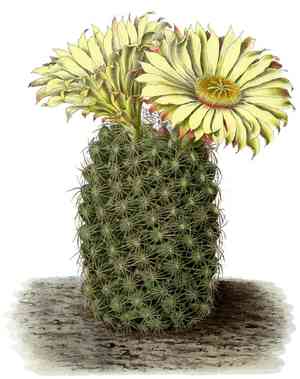
1
The Mammillaria heyderi flourishes in porous soil with a pH level between 6 and 7.5.
2
Incorporating pebbles and coarse sand aids in avoiding soil compression near the Texas nipple cactus's root system.
3
Formulating your own substrate for Mammillaria heyderi can be more economical than buying ready-made alternatives.
Understanding Texas nipple cactus Substrate Needs
Native Environment and Ground Conditions
In its natural habitat, the Texas nipple cactus thrives in arid regions of North America, particularly Texas and surrounding areas. These locales feature sandy and rocky substrates, which offer excellent drainageâa vital characteristic to replicate indoors. Grasping this environment aids in recreating similar conditions for the cactus's growth and vitality.
Key Substrate Characteristics for Texas nipple cactus
To mimic the natural growing conditions of the Texas nipple cactus, focusing on substrate texture and composition is crucial. The medium should be porous, allowing air circulation and preventing water from pooling around the roots. Effective drainage is essential to prevent root rot and other moisture-related issues. The optimal pH level for Texas nipple cactus substrate is between 6 and 7.5, ranging from slightly acidic to neutral.
Components of Ideal Substrate for Texas nipple cactus
Sandy Substrate
Sandy substrate is a foundational element for your Texas nipple cactus. It permits water to pass through rapidly, preventing waterloggingâa problem that can lead to root decay. Sandy substrate also emulates the desert conditions this cactus is accustomed to, ensuring ample air circulation for the roots.
Gravel and Gritty Material
Beyond sandy substrate, incorporating gravel or grit into your potting mix is highly advantageous. These coarse elements further enhance drainage and prevent the substrate from compacting, which can impede root development. A layer of gravel or grit can also be placed at the pot's base to ensure water exits freely.
Organic Matter
While the Texas nipple cactus doesnât require nutrient-rich substrate, adding a small quantity of organic material can help retain essential nutrients. However, exercise caution not to overdo it, as excessive organic matter can hold moisture and cause root problems. A balanced blend with minimal organic content works best.
How to Prepare the Best Substrate Mix for Texas nipple cactus
DIY Substrate Mix Formulas
Crafting your own substrate mix can be more economical and customizable. A straightforward recipe involves combining 50% sandy substrate, 25% perlite or pumice, and 25% organic material like compost or peat. This blend ensures good drainage while supplying necessary nutrients.
Pre-Mixed Cactus Substrate Options
If you prefer convenience, pre-mixed cactus substrates available at garden centers are also a good choice. These mixes are specifically formulated to provide the correct balance of drainage and nutrients. Nevertheless, it's often beneficial to still add a bit of extra sand or grit to ensure the mix doesn't retain too much moisture.
Common Substrate Issues and How to Prevent Them
Poor Drainage Solutions
Poor drainage is the most frequent substrate problem encountered with Texas nipple cactus. To address this, always use containers with drainage holes. Additionally, placing a layer of gravel or broken pot shards at the bottom of the pot can help excess water escape. Regularly check the substrate moisture and ensure it dries out between waterings.
Amendments for Substrate Improvement
If you find that your current substrate mix isnât draining effectively, you can amend it even after planting. Incorporating components like perlite, sand, or fine gravel can enhance drainage. These additions can help break down heavy substrate and improve airflow to the roots.



