Optimal Soil for Growing European crab apple: What You Need to Know
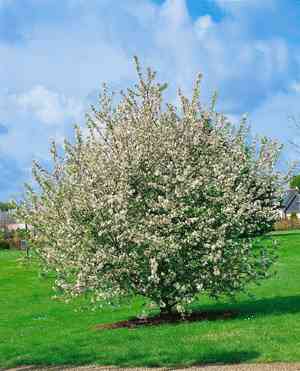
1
Consistent soil analysis aids in sustaining the ideal pH range of 6 to 7 for European crab apple trees.
2
Adding organic matter enhances soil composition and nutrient content.
3
European crab apple trees thrive in soil that drains effectively to avoid root decay.
Optimal Soil Types for European Crab Apple Trees
Ideal Soil Composition
When cultivating European crab apple trees, understanding their preferred soil type is vital. These trees flourish in loamy soil, which offers a balanced mix of sand, silt, and clay. Loamy soil ensures excellent drainage while retaining sufficient moisture for root hydration. This composition is perfect for fostering robust growth in European crab apple trees. Overly sandy soil may drain too rapidly, depriving roots of moisture. Conversely, excessively clayey soil can hold too much water, leading to root decay.
Significance of Soil pH
The pH level of the soil greatly influences nutrient availability for European crab apple trees. An ideal pH range for these trees is between 6 and 7. This slightly acidic to neutral range guarantees that vital nutrients like nitrogen, phosphorus, and potassium are readily accessible for the tree's absorption. Regular soil analysis helps in monitoring and adjusting pH as necessary. If the pH is too low (acidic), adding lime can increase it. Conversely, if the pH is too high (alkaline), sulfur or organic materials like pine needles can help decrease it.
Moisture Retention Characteristics
While European crab apple trees need well-draining soil, it's equally important for the soil to retain adequate moisture. Organic materials such as compost or aged manure can significantly enhance the soil's capacity to hold water. Applying mulch around the tree's base also aids in moisture retention by reducing evaporation and stabilizing soil temperature. The key is to achieve a balance where the soil doesn't dry out too quickly but also avoids becoming waterlogged, which can cause root diseases.
Preparing Soil for European Crab Apple Tree Planting
Soil Analysis and Amendments
Prior to planting your European crab apple tree, performing a soil test is essential. Testing helps determine the soil's pH and nutrient content. With the results, you can modify the soil appropriately. If the soil lacks crucial nutrients, you can incorporate organic compost or specific fertilizers. Adjusting the pH is also simpler with a soil test, as it guides you on the amount of lime or sulfur to add. Aim to achieve a soil pH between 6 and 7 and enrich it with compost to create a nutrient-rich planting environment.
Selecting the Right Fertilizer
Choosing the correct fertilizer can significantly impact the growth of your European crab apple tree. A balanced fertilizer with a 10-10-10 (N-P-K) ratio is a good starting point. Applying fertilizer in early spring, as new growth commences, ensures the tree receives ample nutrients during its active growth phase. Organic options include composted manure or fish emulsion, which also improve soil structure while supplying necessary nutrients. Avoid excessive fertilization, as this can harm the tree and the surrounding soil ecosystem.
Steps for Soil Preparation
Preparing the soil for planting European crab apple trees involves several stages. First, clear the area of weeds and debris. Next, excavate a hole that is twice the width and the same depth as the tree's root ball. Mix the excavated soil with compost or aged manure. Position the tree in the hole, ensuring the top of the root ball is level with the ground surface. Backfill the hole with the amended soil, gently pressing to remove air pockets. Water the tree thoroughly after planting to aid in its establishment.
Maintaining Soil Health for European Crab Apple Trees
Regular Soil Testing
Sustaining soil health for European crab apple trees necessitates routine soil testing, ideally every 2 to 3 years. These tests help monitor pH levels and nutrient availability. Based on test results, you can amend the soil with lime, sulfur, or nutrient-rich compost to keep it fertile and balanced. Consistent monitoring prevents nutrient deficiencies and soil degradation, ensuring your European crab apple tree thrives annually.
Mulching Practices
Mulching is a vital technique for preserving soil health. Applying a 5 to 8 cm (2 to 3 inches) layer of organic mulch, such as wood chips or straw, around the base of your European crab apple tree helps conserve soil moisture, regulate soil temperature, and suppress weed growth. Avoid piling mulch directly against the tree trunk, as this can lead to rot. Distribute it evenly to create a protective barrier that benefits both the soil and the tree.
Composting Advantages
Incorporating compost into your soil management routine can significantly boost soil fertility and structure. Compost adds essential nutrients, improves soil texture, and enhances microbial activity, fostering a healthy soil ecosystem. Apply compost to the soil in early spring and fall for optimal results. Well-composted soil will support vigorous growth and abundant fruit production in your European crab apple tree.
Common Soil Problems and Solutions for European Crab Apple Trees
Identifying Soil Compaction
Soil compaction can be a major problem for European crab apple trees, impeding root growth and reducing water penetration. Indicators of compaction include poor drainage and stunted tree development. To alleviate compaction, consider aerating the soil with a garden fork or mechanical aerator. Additionally, integrating organic matter like compost can improve soil structure and lessen compaction over time.
Addressing Drainage Issues
Proper drainage is critical for European crab apple trees to prevent root rot and other water-related problems. If your soil has drainage issues, try elevating the planting area by creating a raised bed or mound. Adding organic matter can also enhance drainage by improving soil structure. Ensuring water flows away from the tree's base and using drip irrigation can help manage moisture levels effectively.
Correcting Nutrient Deficiencies
Nutrient deficiencies can manifest as discolored leaves, poor growth, and reduced fruit yield. Conducting regular soil tests allows you to pinpoint and rectify these deficiencies. Common nutrients required by European crab apple trees include nitrogen, phosphorus, and potassium. Applying a balanced fertilizer or specific amendments based on test results can restore soil nutrient levels and promote healthy tree growth.



