Optimal Soil for Growing Creeping jenny: What You Need to Know
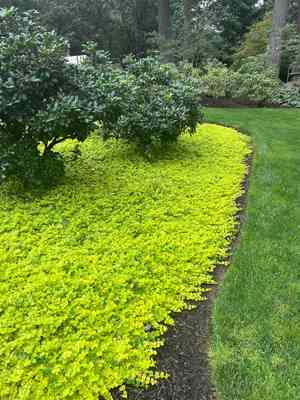
1
Creeping jenny thrives in soil with a pH between 6.5 and 7.5, allowing for best nutrient uptake.
2
Incorporating organic material into the soil significantly enhances its ability to hold water and drain, fostering more robust Creeping jenny development.
3
Frequent soil analysis in your garden helps avoid problems like soil compression and lack of essential nutrients.
Why Soil Type Matters for Creeping Jenny
Effect on Development and Vitality
The specific soil chosen for your Creeping Jenny significantly impacts its development and overall health. Nutrient-rich, well-draining soil promotes vigorous growth and maintains the plant's vibrancy. Conversely, inadequate soil can hinder growth, cause wilting, and increase disease susceptibility.
Influence on Moisture Retention
Moisture retention is another critical factor affected by soil composition. Creeping Jenny thrives in damp conditions but struggles in waterlogged environments. Soil that holds adequate moisture without becoming saturated ensures roots get enough hydration while preventing rot.
Optimal Soil Characteristics for Creeping Jenny
Soil Texture and Makeup
For Creeping Jenny, a balanced soil texture is crucial. The ideal soil should be loamy, a blend of sand, silt, and clay. This mix provides proper aeration, nutrients, and moisture retention, creating a perfect environment for healthy plant development.
Soil pH Preferences
Creeping Jenny prefers a slightly acidic to neutral soil pH, between 6.5 and 7.5. Soil within this pH range ensures essential nutrients are readily available for root absorption, contributing to its overall growth and health.
Drainage Requirements
Excellent drainage is vital for Creeping Jenny. The soil must allow excess water to drain quickly, preventing roots from sitting in water and decaying. Proper drainage can be achieved by incorporating organic matter or using a suitable draining soil mix.
Modifying Soil for Best Creeping Jenny Growth
Amending Soil for Enhanced Drainage
If your garden soil drains poorly, consider improving it with materials like sand, perlite, or gravel. These additions enhance soil aeration and allow water to pass through more freely, preventing waterlogging and fostering healthy root growth.
Adding Organic Material
Organic matter, such as compost, leaf mold, or well-rotted manure, greatly improves soil structure. It not only boosts moisture retention and drainage but also enriches the soil with vital nutrients, supporting robust Creeping Jenny growth.
Correcting Soil pH Levels
If the soil pH is outside the preferred range of 6.5 to 7.5, adjustments might be needed. For acidic soils, lime can raise the pH, while sulfur or organic mulches can help lower the pH of alkaline soils. Regular soil testing will guide optimal pH maintenance.
Common Soil Issues and Solutions for Creeping Jenny
Compact Soil
Compact soil can impede root growth and reduce aeration, leading to poor plant health. To alleviate compaction, regularly loosen the soil, use a garden fork or aerator, and incorporate organic matter to improve soil structure.
Poor Drainage
Poorly draining soil can result in waterlogged conditions, causing root rot. To enhance drainage, amend the soil with sand or perlite, create raised beds, or ensure proper grading to direct excess water away from planting areas.
Nutrient Deficiencies
Creeping Jenny may suffer from nutrient deficiencies if the soil lacks essential nutrients. Regularly test your soil and use balanced fertilizers or organic compost to replenish nutrients, ensuring your plant receives the nourishment it needs.



